
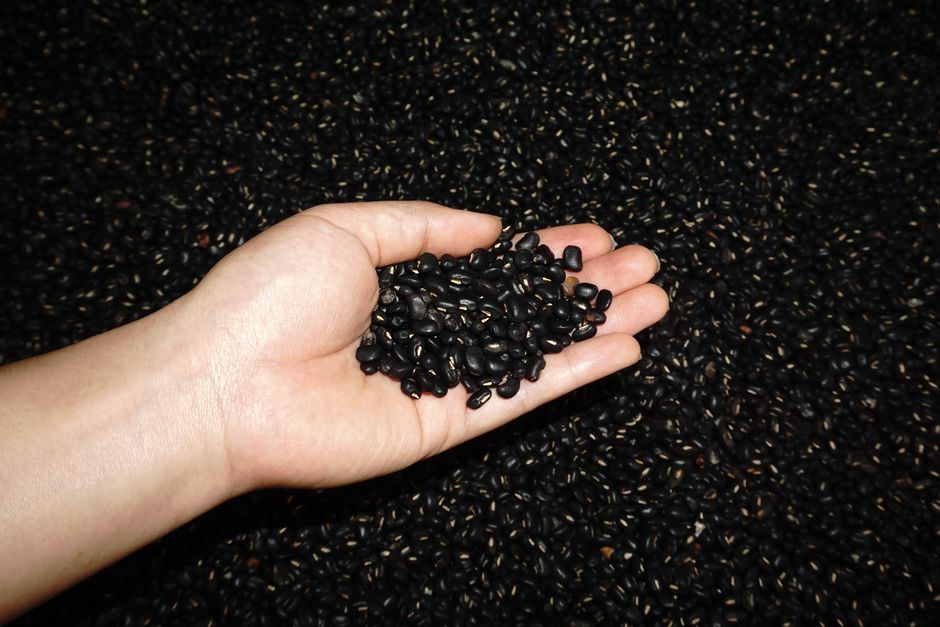
Beans contain large amounts of complex sugars called oligosaccharides, specifically raffinose and stachyose. The human small intestine lacks the enzyme alpha-galactosidase needed to break these sugars down. So they travel undigested into the large intestine, where gut bacteria ferment them, producing hydrogen, methane, and carbon dioxide gas. That fermentation process is the direct scientific reason beans cause flatulence.
What Exactly Causes the Gas in Beans?
The gas comes from specific carbohydrates, not from the protein or fiber content as many people assume. These carbohydrates are called alpha-galactosides. Raffinose and stachyose are the two main types found in beans.
Humans do not produce the enzyme needed to split these sugar molecules into absorbable parts. The small intestine absorbs most foods, but these sugars pass through unchanged. When they reach the colon, the resident bacteria feast on them. Bacterial fermentation releases gas as a byproduct.
This is not a sign of poor digestion. It is a normal biological process. Every human lacks this enzyme. Everyone who eats beans will produce some gas, though the amount varies from person to person.
Why Do Some People Get More Gas Than Others?
Individual response to beans varies significantly. The composition of your gut microbiome plays a major role. People with a higher population of gas-producing bacteria in their colon will experience more flatulence after eating beans.
Another factor is how often you eat beans. People who eat beans regularly tend to experience less gas over time. Their gut bacteria adapt and become more efficient at processing the oligosaccharides, producing less gas in the process. This is why many cultures that eat beans daily report fewer digestive issues than people who eat them occasionally.
Gut transit time also matters. Slower digestion means more time for fermentation, which can lead to more gas buildup. Individual differences in gut motility explain part of the variation between people.
How Long Does Bean Gas Last After Eating?
Gas production typically begins about two to three hours after eating beans. This is the time it takes for the undigested sugars to reach the colon. The fermentation process continues for several hours as the bacteria work through the available food.
Most people pass the gas within three to five hours after the meal. The process can extend longer if you ate a large portion or if your digestion is naturally slower. The discomfort usually resolves once the sugars have been fully fermented and the gas is passed.
If bloating or gas lasts longer than 24 hours after eating beans, it may be worth considering other factors. Some people have underlying digestive conditions like irritable bowel syndrome that amplify the normal gas response.





What Can You Do to Reduce Gas From Beans?
Several methods can reduce the gas-producing compounds in beans before you eat them. Soaking dried beans overnight and discarding the soaking water removes a portion of the oligosaccharides. The sugars leach into the water, so rinsing after soaking helps.
Cooking beans thoroughly also helps. Heat breaks down some of the complex sugars, though not all of them. Changing the cooking water once or twice during the cooking process can further reduce the oligosaccharide content.
Enzyme supplements containing alpha-galactosidase can help. These supplements provide the enzyme your body lacks. When taken with the first bite of beans, they break down the complex sugars before they reach the colon. Clinical studies have shown these products reduce gas and bloating in people who eat beans.
Some research suggests that adding a piece of kombu seaweed to the cooking pot can help break down the gas-causing sugars. This is a common practice in some Asian cooking traditions, though the evidence base is not as strong as it is for soaking and enzyme supplements.
Does Canned Beans Cause Less Gas Than Dried Beans?
Canned beans generally cause less gas than beans cooked from dried form. The canning process involves high heat and pressure that breaks down more of the oligosaccharides. The beans are also typically soaked before canning.
Draining and rinsing canned beans in water removes additional sugars. This simple step can reduce the gas-causing compounds by a significant amount. One study found that rinsing canned beans removed about one-third of the oligosaccharides.
If you are sensitive to bean gas, choosing canned beans over dried beans and rinsing them well is a practical strategy. The difference in gas production is noticeable for many people, though it will not eliminate gas entirely.
Do Other Foods Cause Gas Like Beans Do?
Beans are not unique in their gas-producing effects. Other legumes like lentils and chickpeas contain similar oligosaccharides. Soybeans and peas also have these compounds, though in varying amounts.
Certain vegetables contain other types of fermentable carbohydrates. Onions, garlic, broccoli, cabbage, and cauliflower contain fructans and other complex sugars that ferment in the colon. These foods can produce gas through the same basic mechanism.
Dairy products cause gas in people who are lactose intolerant. Lactose is a disaccharide that requires the enzyme lactase to digest. Without enough lactase, the undigested lactose ferments in the colon, producing gas and bloating.
Many fruits contain sorbitol and other sugar alcohols that can ferment in the gut. Apples, pears, and peaches are common culprits. The overall pattern is the same: carbohydrates that the small intestine cannot absorb become food for colon bacteria, and fermentation produces gas.
Is Bean Gas a Sign of a Health Problem?
For most people, gas after eating beans is a normal digestive response. It does not indicate a health problem. The body is simply processing food it cannot fully break down.
However, gas that is accompanied by severe pain, persistent diarrhea, or unintended weight loss deserves medical attention. These symptoms may indicate an underlying digestive disorder. Irritable bowel syndrome, celiac disease, or small intestinal bacterial overgrowth can amplify the normal gas response.
If you consistently experience severe bloating that does not resolve after a few hours, or if the gas is accompanied by other digestive symptoms, talk to a healthcare provider. They can help determine whether something beyond normal bean digestion is going on.
Frequently Asked Questions
Do beans cause gas in everyone?
Yes, everyone produces some gas after eating beans because all humans lack the enzyme to digest the complex sugars they contain. The amount of gas varies widely from person to person based on gut bacteria composition and other factors.
How can I stop beans from giving me gas?
Soak dried beans overnight and discard the water, or rinse canned beans thoroughly before eating. Taking an alpha-galactosidase enzyme supplement with your first bite also helps break down the gas-causing sugars.
Does eating beans more often reduce gas over time?
Yes, regular bean consumption tends to reduce gas over time as your gut bacteria adapt to process the complex sugars more efficiently. This is why people in cultures that eat beans daily often report fewer digestive problems.
Are gas-free beans available?
No bean variety is completely gas-free, but some beans contain lower amounts of oligosaccharides than others. Black beans and lentils generally cause less gas than pinto or navy beans for many people, though individual responses vary.
