
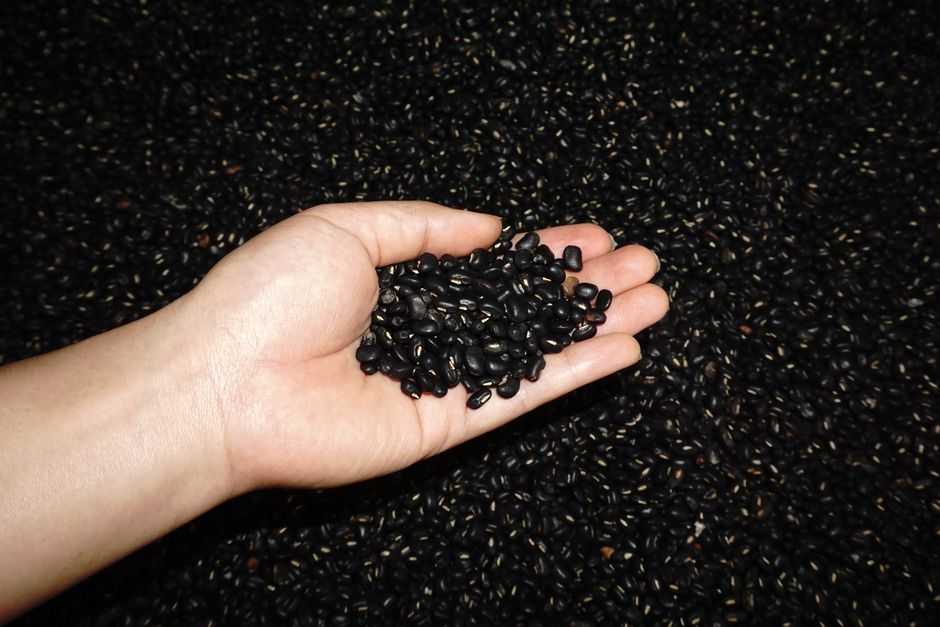
Beans have a reputation that follows them everywhere — into jokes, into chili cook-offs, into the awkward silence of a shared office. That reputation is earned, and the reason has almost nothing to do with how beans are cooked. Beans contain specific sugars and fibers that human digestion cannot fully break down. Those compounds travel intact to the large intestine, where gut bacteria ferment them and produce gas. That gas has to go somewhere.
Why Do Beans Cause Flatulence?
The short answer is fermentation. The longer answer involves two sugars your small intestine has no tools to digest.
Beans are rich in raffinose and stachyose, two oligosaccharides — short chains of sugar molecules. Human digestive enzymes break down most carbohydrates into single sugars the body can absorb. But humans do not produce alpha-galactosidase, the enzyme needed to split raffinose and stachyose into absorbable pieces.
So these sugars pass through the small intestine untouched. When they reach the large intestine, the resident bacteria there do have the enzymes to break them down. The bacteria ferment these sugars and release hydrogen, carbon dioxide, and in some people methane. That gas builds up in the colon and exits as flatulence.
This is normal digestion, not a sign of a problem. The bloating and gas that follow a bean-heavy meal are the predictable result of bacteria doing their job on food your own enzymes cannot handle.
What Makes Beans Different From Other Foods?
Plenty of foods contain fiber. Beans are unusual because they combine several gas-producing components in one package.
- Oligosaccharides — raffinose and stachyose, the primary drivers of bean-related gas
- Soluble fiber — ferments readily in the colon and contributes to gas production
- Resistant starch — escapes digestion in the small intestine and feeds colonic bacteria
Most plant foods deliver one or two of these. Beans deliver all three. That stacking effect is why a serving of beans tends to produce more noticeable gas than a similar portion of most vegetables.
It is worth separating two things people often blur together. Gas production is a normal physiological process. Gas that causes real pain, distension, or disruption to daily life may point to something else — and that distinction matters for how you respond to it.
Does Cooking Beans Reduce the Gas They Cause?
Cooking makes beans digestible, but it does not remove the oligosaccharides responsible for gas. Raffinose and stachyose survive normal cooking temperatures. That is why even well-cooked beans produce gas.
Soaking helps somewhat. Some oligosaccharides leach into the soaking water, so discarding that water before cooking reduces the amount that reaches your colon. Longer soaks and repeated water changes remove more. The effect is real but partial — soaked beans still cause gas.
Pressure cooking and prolonged simmering soften the bean and improve overall digestibility, but again, the sugars remain. No standard cooking method eliminates them.
Canned beans are already cooked. Draining and rinsing them removes some of the liquid that holds leached sugars, which may modestly reduce gas for some people. The evidence on how much this helps is limited, so treat it as a reasonable step rather than a solution.




Do Some Beans Cause More Gas Than Others?
Bean varieties differ in their oligosaccharide content, and some people notice clear differences between types. The general pattern is that larger, denser beans tend to carry more of the sugars involved.
That said, individual responses vary widely. Two people eating the same beans may have very different experiences. Gut bacterial populations differ from person to person, and the bacteria doing the fermenting determine how much gas gets produced and what kind.
If you are trying to identify which beans bother you most, a simple approach is to eat one type at a time and pay attention. There is no universal ranking that applies to everyone.
Can You Reduce Bean-Related Gas?
Several approaches have some support. None eliminates gas entirely, and results vary between people.
Start small and increase gradually. The gut bacterial community adapts to repeated exposure to fermentable fibers. Eating small portions of beans regularly, rather than a large portion occasionally, tends to produce less dramatic gas over time. This adaptation is well described but takes weeks, not days.
Soak and discard the water. As noted, this removes some oligosaccharides. It is a modest but low-cost step.
Try alpha-galactosidase supplements. These products supply the enzyme humans lack, taken with the first bite of a bean-containing meal. Some studies indicate they reduce gas symptoms in some people. The evidence is not uniform, and response varies — some people notice clear benefit, others do not.
Consider bean processing methods. Fermented bean products and certain traditional preparations may contain lower levels of the problematic sugars. Evidence here is limited, and traditional preparation methods vary widely.
One point worth stating plainly: there is no clinical guideline that establishes a specific dose of beans or a specific timeline for when gas will decrease. If a source gives you an exact number of weeks or grams, be skeptical.
Are Beans Worth Eating Despite the Gas?
Yes, for most people. Beans are one of the most nutrient-dense foods available. They provide plant protein, fiber, folate, iron, potassium, and magnesium. Diets high in legumes are consistently associated with better cardiovascular and metabolic outcomes in large population studies.
The gas is inconvenient. It is not harmful. And for many people it decreases with regular consumption as the gut microbiome adjusts.
If gas is severe, painful, or accompanied by other symptoms — diarrhea, cramping that interferes with daily life, or noticeable weight loss — that is worth discussing with a clinician. Those symptoms can have causes unrelated to normal bean digestion, and they deserve a proper evaluation rather than a dietary workaround.
Is Bean Gas a Sign of a Digestive Problem?
Usually not. Gas after eating beans is the expected outcome of normal fermentation by normal gut bacteria.
There is one exception worth knowing about. Some people have trouble with a broader category of fermentable carbohydrates, not just beans. If you react strongly to beans, onions, garlic, wheat, and certain fruits and dairy, that pattern may reflect a sensitivity to fermentable oligosaccharides, disaccharides, monosaccharides, and polyols — a group of short-chain carbohydrates. This is not an allergy or a disease. It is a pattern of carbohydrate malabsorption that some people manage by adjusting which foods they eat.
Distinguishing normal bean gas from something more widespread is genuinely useful. If beans alone cause gas, that is ordinary. If a long list of foods does, that is a different conversation.
Frequently Asked Questions
Why do beans give you gas?
Beans contain raffinose and stachyose, sugars human enzymes cannot break down. Gut bacteria ferment them in the large intestine and produce gas as a byproduct.
Does soaking beans reduce gas?
Soaking removes some oligosaccharides that leach into the water, so discarding the soaking water reduces gas somewhat. It does not eliminate it, because most of the sugars remain in the bean.
Do all beans cause the same amount of gas?
No. Bean varieties differ in oligosaccharide content, and individual gut bacteria differ too. Two people eating identical beans may have very different experiences.
Can you stop beans from causing gas?
Not entirely. Eating beans regularly in small amounts helps the gut adapt over time, and alpha-galactosidase supplements help some people. No method eliminates gas completely.
