
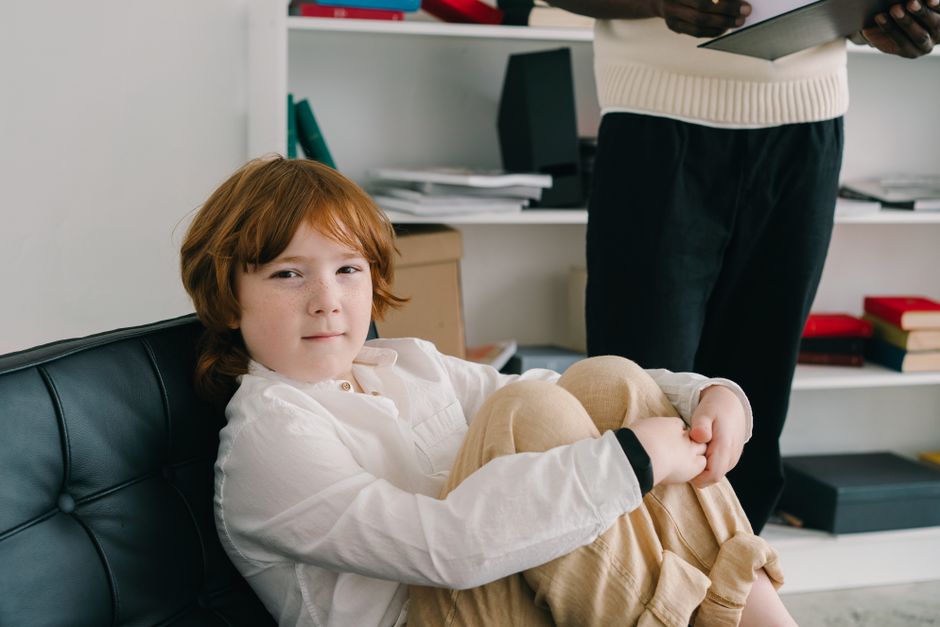
Elopement means leaving a safe place or a caregiver’s supervision without warning. Autistic children elope for reasons rooted in how autism affects communication, sensory processing, and response to stress — not because of bad parenting or a child being “naughty.” The best safety plans start with understanding why a specific child leaves, then add layered barriers: secure exits, identification, water safety, and teaching the child what to do if they get lost.
Why Do Autistic Kids Elope And How To Keep Them Safe?
Most elopement happens because a child is trying to escape something unpleasant or reach something they want. The behavior is functional, even when it looks random.
Common drivers include:
- Escape. Loud noise, crowding, bright lights, a demand they cannot meet, or a transition they did not expect.
- Access. Something visible or remembered — a road, a pool, a train, a favorite store.
- Seeking. Movement, deep pressure, open space, or the calm of being alone.
- Distress that has no words. A child who cannot say “this is too much” may simply leave.
Some children leave with a clear destination in mind. Others wander without one. The difference matters for the safety plan. A child who heads for water needs different barriers than a child who bolts from a busy store.
One point often missed: elopement is not the same as “wandering off.” Many autistic children leave quickly, silently, and with purpose. A parent may not hear a door open or a screen slide. That silence is why supervision alone often fails.
How Common Is Elopement Among Autistic Children?
Elopement is common enough that clinicians who work with autistic children treat it as a routine safety issue, not an unusual event.
Survey research published in the journal Pediatrics found that roughly half of children with autism had attempted to leave a safe setting at least once after around age four, and many had done so more than once. A large share of those attempts involved a serious risk such as traffic or drowning.
Those figures come from parent surveys, which have limitations. Parents may underreport, and definitions of elopement vary between studies. Still, the direction is consistent across research: elopement is frequent, it happens early, and it carries real danger.
The danger is concentrated in two places. Roads and water. Drowning is a leading cause of death among children with autism who wander, and children with autism are drawn to water more often than typically developing children.
What Makes Elopement So Dangerous for Autistic Children?
Several factors combine to raise risk. Each one can be addressed.
Silence. Many autistic children do not call out when lost. Some do not respond to their name being called. A search that depends on a child answering will fail.
Water attraction. Some autistic children are strongly drawn to water, and many cannot swim. A nearby pond, canal, pool, or creek becomes a destination.
Reduced sense of danger. Traffic, strangers, and heights may not register as threats. A child may walk into a road without hesitation.
Communication barriers. A child who is nonspeaking or has limited speech may not be able to tell a stranger their name, address, or that they are lost. They may not understand a rescuer’s questions.
Speed. Elopement can happen in seconds. A parent loading groceries, answering a door, or turning to a sibling may lose sight of a child who has already gone.
These factors stack. A child who is drawn to water, cannot swim, does not respond to their name, and leaves silently is at very high risk. That combination is not rare.
How Do You Make a Home Safer for a Child Who Elopes?
Home safety comes down to layers. No single measure is enough, because a determined child will eventually get past one barrier.
Start with doors and windows:
- Add high locks, chain locks, or door alarms on exterior doors.
- Consider a door sensor that chimes when opened — many are inexpensive and easy to install.
- Secure windows with limits or locks, especially on upper floors.
- Keep keys and garage openers out of reach.
Then address the yard and nearby water:
- If you have a pool, use a fence with a self-latching gate and a pool alarm. Pool fences and alarms are widely recommended by water safety organizations, though no barrier replaces direct supervision.
- Check nearby ponds, creeks, canals, and drainage areas. Know where they are and how far.
- Consider door and window alarms on the side of the house facing water.
Also think about the moments elopement tends to happen. Transitions, visitors at the door, and stressful evenings are common triggers. If a child leaves during a specific routine, adjust that routine.
Some families use visual supports — a picture of a stop sign on the door, a social story about staying inside, a “safe spot” the child can go to when overwhelmed. These can help, but they are not barriers. Treat them as teaching tools, not protection.
What Should Be in an Elopement Safety Plan?
A safety plan is a written document you share with everyone who cares for the child. It should be specific to that child, not generic.
Include these elements:
- A description of the child. Height, weight, hair and eye color, distinguishing features, and a current photo.
- Likely destinations. Water, roads, parks, stores, or a relative’s house.
- Triggers. What tends to set off elopement, so caregivers can watch for it.
- Response steps. Who calls 911, who searches which area, who stays with siblings.
- Communication notes. Whether the child responds to their name, understands questions, or uses a device.
Share the plan with school staff, babysitters, relatives, and neighbors. In an emergency, seconds matter, and a neighbor who knows your child may spot them faster than anyone.
Identification is part of the plan. Options include:
- An ID bracelet or shoe tag with name and a caregiver phone number.
- A temporary tattoo or clothing label with contact information.
- A GPS tracker, if the child will tolerate wearing one. These can help but are not a substitute for supervision, and no device is fail-proof.
- Registration with local emergency services if your community offers a special needs registry.
Ask your local police whether they keep a voluntary registry for people with disabilities. Many departments do, and it can speed up a response.
How Do You Teach a Child With Autism to Stay Safe?
Teaching safety skills takes time and repetition, and it works best when it starts early and is practiced in real settings.
Skills worth teaching, adapted to the child’s level:
- Responding to their name. Practice in low-distraction settings first, then add distractions gradually.
- Stopping on command. A simple “stop” or “wait” that is practiced until it is automatic.
- Staying with an adult. Practice in short outings, with praise for staying close.
- Asking for help. Teach a script or a picture card the child can show a stranger.
- Water safety. Swimming lessons are worth considering. Some instructors specialize in teaching autistic children, and lessons can reduce risk, though they do not remove it.
Practice should be short, frequent, and rewarding. A child who is overwhelmed will not learn. Keep sessions calm and predictable.
Some families work with a behavior analyst or an occupational therapist to identify triggers and build a plan. That can be useful, especially when elopement is frequent or dangerous. The goal is not to punish the behavior but to understand what it is doing for the child and offer a safer way to meet that need.
What Should You Do If Your Child Goes Missing?
Act immediately. Do not wait to see if the child comes back.
Call 911 and say clearly that a child with autism is missing. Tell them the child may not respond to their name, may be drawn to water, and may not understand danger. Give a description and a recent photo.
While help is on the way:
- Check water first. Pools, ponds, creeks, and canals are the highest priority.
- Check roads and driveways.
- Send someone to likely destinations.
- Keep a phone line open for the dispatcher.
Search water before you search anywhere else. That order is not intuitive for many parents, but it reflects where the greatest risk lies.
After the child is found, review what happened. What triggered the elopement? Which barrier failed? Update the plan. Each incident is information.
Frequently Asked Questions
Why do autistic children run away?
Most elopement is an attempt to escape something distressing, such as noise or an unwanted demand, or to reach something the child wants, such as water or a road. The behavior usually has a purpose, even when it looks sudden.
At what age does elopement usually start?
Parent surveys suggest elopement often begins in early childhood, with many attempts occurring around age four and later. Some children leave earlier, and some begin later, so age alone is not a reliable guide.
Is elopement the same as wandering?
They overlap but are not identical. Elopement usually means leaving supervision suddenly and with purpose, while wandering can be slower and less directed. Both carry risk, and both need a safety plan.
Should I tell my child’s school about elopement?
Yes. School staff should know the triggers, likely destinations, and response steps so they can act quickly. A written plan shared with the school is more reliable than a verbal conversation.
