
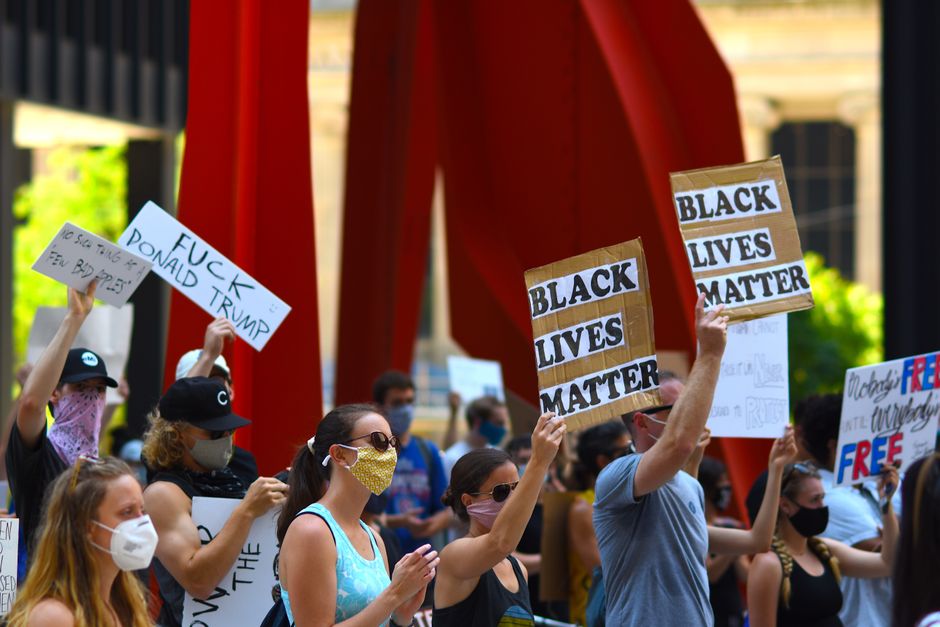
In January 2025, President Donald Trump signed an executive order directing the United States to withdraw from the World Health Organization (WHO). The order also paused future U.S. funding to the agency. This move officially began the process of leaving the global health body, though the exact timeline for completion depends on the terms of U.S. membership and international agreements.
Why Did Trump Remove Us From Who?
The stated reason was dissatisfaction with how the WHO handled the COVID-19 pandemic. The executive order accused the organization of mismanaging the global response and failing to adopt needed reforms. It also cited what the administration described as unfair financial demands placed on the United States compared to other nations.
The U.S. has historically been the largest single donor to the WHO. The decision to leave means the country stops contributing its assessed dues and voluntary funding. This creates a significant budget gap for the organization, which relies on member contributions to run global health programs.
What Does Leaving the WHO Actually Mean?
The WHO coordinates international health responses. It tracks disease outbreaks, sets vaccine standards, and manages global health data. When a country leaves, it loses direct access to these systems and has less influence over international health policy decisions.
Withdrawal does not happen instantly. Under the WHO constitution, a member state must give one year’s notice before leaving. The U.S. also has financial obligations that must be settled. This means the actual exit could take until January 2026, or longer if the process is delayed by legal or political challenges.
Some experts argue the U.S. can still cooperate with the WHO informally after leaving. However, that cooperation would lack the formal voting rights and data-sharing agreements that full membership provides.
What Was the U.S. Role in the WHO Before This?
The United States was a founding member of the WHO in 1948. It has played a central role in shaping global health policy for decades. American scientists and officials have helped lead efforts to eradicate smallpox, reduce polio cases, and respond to Ebola outbreaks in Africa.
U.S. funding supported a wide range of WHO programs. These included disease surveillance networks, maternal health initiatives, and emergency response teams. The U.S. also hosted WHO collaborating centers and provided technical expertise that other countries relied on.
This relationship was not always smooth. The U.S. had previously threatened to leave the WHO under different administrations. In 2020, the Trump administration began the withdrawal process but the Biden administration reversed it upon taking office in 2021. This current action is the second attempt to exit the organization.




How Much Money Did the U.S. Give the WHO?
The U.S. contributed roughly $1.28 billion to the WHO in the 2022-2023 budget cycle. This included both assessed contributions, which are mandatory dues based on a country’s wealth and population, and voluntary contributions earmarked for specific programs.
Assessed contributions from the U.S. make up about 15% of the WHO’s core budget. Voluntary contributions fund most of the organization’s specific health programs. The loss of both types of funding creates immediate challenges for ongoing projects.
Other countries have not stepped forward to fully replace U.S. funding. The WHO has announced budget cuts and program reductions in response to the funding gap. Some disease eradication efforts, particularly polio surveillance in conflict zones, face direct risk.
What Happens to Global Disease Surveillance Without the U.S.?
The WHO operates a global influenza surveillance system that tracks flu strains each season. U.S. laboratories are major contributors to this network. Without U.S. participation, the system loses key data on emerging respiratory viruses.
Similar concerns apply to the Global Outbreak Alert and Response Network. This system deploys rapid response teams when diseases like Ebola or cholera appear. U.S. public health experts have historically been part of these teams.
There is also the question of pandemic preparedness. The WHO maintains a list of priority pathogens and coordinates vaccine research for potential pandemics. U.S. agencies like the Centers for Disease Control and Prevention (CDC) and the National Institutes of Health (NIH) have been central to this effort. Their absence weakens the collective ability to spot and contain new threats.
This does not mean the U.S. loses all ability to track diseases. American agencies can still monitor outbreaks through their own channels and bilateral agreements with other countries. What changes is the formal, structured sharing of data through the WHO framework.
What Are the Arguments for Leaving the WHO?
Supporters of the withdrawal argue that the WHO has become inefficient and overly bureaucratic. They point to the organization’s slow initial response to COVID-19 and its failure to quickly declare a public health emergency in early 2020.
There are also concerns about the WHO’s relationship with China. Critics say the organization was too deferential to the Chinese government during the early days of the pandemic and did not push hard enough for access to early outbreak data from Wuhan.
Financial arguments also play a role. The U.S. pays more in assessed contributions than most other countries. Some policymakers believe this funding is better spent on domestic health priorities or through direct bilateral aid to specific countries.
What Are the Risks of Leaving?
Public health experts warn that withdrawal reduces global health security. Disease outbreaks do not respect national borders. A weak global surveillance system means threats are detected later, giving them more time to spread before containment measures begin.
There is also the matter of influence. The WHO sets international health regulations that govern how countries report disease outbreaks and handle travel restrictions. A country that is not a member has less say in how these rules are written and enforced.
American pharmaceutical companies and researchers also lose some advantages. WHO prequalification lists are used by many countries to approve drugs and vaccines for purchase. U.S. products may face additional hurdles in international markets without U.S. representation in WHO processes.
The withdrawal also affects American citizens directly. The WHO provides guidance on vaccine schedules, food safety standards, and air quality limits. U.S. agencies often adopt these international standards into domestic policy. Without WHO membership, the U.S. loses a formal voice in setting these global norms.
Can the U.S. Rejoin the WHO Later?
Yes. The U.S. can rejoin the WHO at any time by submitting a new application for membership. The process requires approval from the World Health Assembly, which is the WHO’s decision-making body made up of member states.
Rejoining would require the U.S. to pay its assessed contributions again and potentially settle any outstanding financial obligations from the withdrawal period. The political process of rejoining would also require a new executive order or congressional action.
History shows this is possible. The U.S. left the International Labour Organization in 1977 and rejoined in 1980. The Biden administration reversed the 2020 WHO withdrawal notice before it took effect. Whether a future administration would reverse this current decision remains unknown.
Frequently Asked Questions
When does the U.S. officially leave the WHO?
The U.S. must give one year’s notice before leaving, so the exit could take effect as early as January 2026. The timeline depends on how the notice period is calculated and whether legal challenges delay the process.
Does the U.S. still have to pay the WHO after leaving?
The U.S. must settle its outstanding assessed contributions for the current budget period. Future voluntary funding stops once the withdrawal is complete.
Will this affect Americans’ access to vaccines or medicines?
Domestic vaccine approvals are handled by the FDA, not the WHO, so routine access will not change. However, U.S. influence over international vaccine standards and global supply chains could weaken over time.
What happens to U.S. scientists working with the WHO?
U.S. scientists can still collaborate with WHO programs through personal or institutional arrangements. They lose formal representation and voting rights that come with government membership.
