
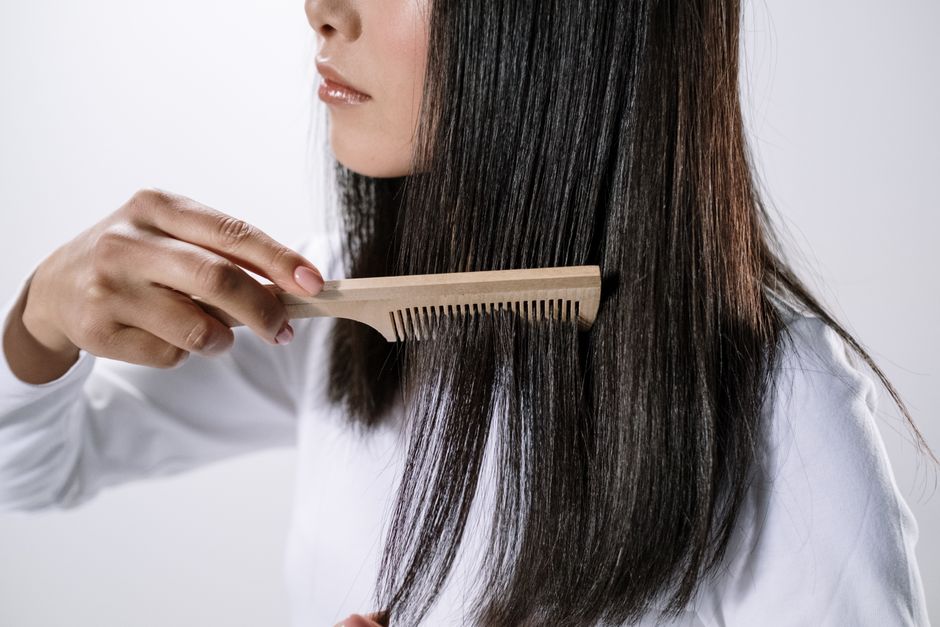
You have had straight hair your whole life. Then one day it starts curling, waving, or forming ringlets. This change can feel confusing. But it is not magic. Your hair follicle shape actually changed. That shift happens for real biological reasons. Hormones, aging, medications, and even illness can alter your hair texture. Here is what research and clinical experience tell us about why straight hair suddenly turns wavy.
Can Hormonal Changes Make Straight Hair Wavy?
Yes. Hormones are one of the most common causes of a permanent shift in hair texture. Puberty, pregnancy, menopause, and thyroid disorders all involve major hormone fluctuations. These changes can affect the shape of your hair follicle.
Your hair follicle is a tiny pocket in your skin where each strand grows. Follicles are not fixed shapes forever. When your hormone levels change, the follicle can become more oval or asymmetrical. An oval follicle produces wavy or curly hair. A round follicle produces straight hair. This is why many women notice wavy hair appearing during pregnancy or after giving birth. Some research also links changes in estrogen and progesterone to altered hair texture.
Menopause often brings a drop in estrogen. That shift can cause previously straight hair to become wavy or coarse. Thyroid conditions, both hyperthyroidism and hypothyroidism, are also known to change hair texture. If you notice a sudden wavy pattern along with fatigue, weight changes, or skin dryness, a thyroid check is worth discussing with your doctor.
Does Aging Cause Hair Texture to Change?
Yes. Aging itself can change your hair. As you get older, your hair follicles produce thinner strands. The follicle shape can also become more irregular. That irregular shape encourages waves or curls where none existed before.
Many people in their 30s, 40s, and 50s report their hair getting wavy. This is not unusual. The natural aging process alters the proteins in your hair shaft. Keratin, the protein that makes up hair, can change structure over time. Some research suggests that changes in the distribution of keratin-associated proteins contribute to texture shifts.
Aging also reduces oil production from your scalp. Drier hair has a different texture and may clump together differently, which can make waves more visible. This is not a disease. It is a normal part of getting older.
Can Medications Change Hair Texture?
Certain medications can alter your hair texture. This is not a common side effect, but it does happen. Drugs that affect hormones are the most likely culprits.
Hormonal birth control pills can change hair texture for some women. The synthetic hormones may shift follicle shape. Some women report their hair getting wavy within months of starting or stopping the pill.
Chemotherapy drugs are well known for changing hair texture. Hair often grows back after treatment, but it frequently comes in with a different texture — often curlier or wavier than before. This change can be permanent for some people.
Other medications such as some antidepressants, blood pressure drugs, and anti-seizure medications have been linked to hair texture changes in case reports. The evidence for each specific drug is limited. If you suspect a medication is changing your hair, talk to your prescribing doctor. Do not stop taking any prescription medication without medical guidance.


Why Did My Straight Hair Suddenly Turn Wavy After Illness or Stress?
Major physical stress can disrupt your hair growth cycle. This includes illness with high fever, surgery, rapid weight loss, or intense emotional stress. The disruption itself does not directly change follicle shape. But the regrowth phase after the stress can produce hair with a different texture.
When your body goes through a severe stressor, many hair follicles may enter a resting phase at the same time. This is called telogen effluvium. Weeks or months later, these hairs fall out simultaneously. The new hairs that grow back may emerge from follicles that have shifted in shape. Some people report these new hairs growing in wavy or curly.
Autoimmune conditions such as alopecia areata can also change hair texture in areas where hair regrows. The regrown hair is sometimes finer, lighter in color, or wavy. If you notice patchy hair loss followed by new growth with a different texture, see a dermatologist.
Is It Possible That Your Hair Was Always Wavy Underneath?
Yes. This is a common misunderstanding. Many people have a mix of straight and wavy hairs across their scalp. The hair on the top of your head may be naturally straighter, while hair at the nape of your neck or around your ears is wavy. You may simply not have noticed it before.
Changes in hair length, weight, or styling routine can make hidden waves more visible. If you cut your hair shorter, waves become more pronounced because there is less weight pulling them straight. Similarly, if you stop using heat styling tools or chemical relaxers, your natural wave pattern will emerge. This is not a sudden biological change — it was always there but masked.
If you recently stopped blow-drying your hair straight or using a flat iron, try letting your hair air dry after a wash. The naturally wavy portions will show themselves. That does not mean your hair suddenly turned wavy. It means your styling habits changed.
When Should You See a Doctor About Hair Texture Change?
In most cases, a change in hair texture from straight to wavy is normal and not a sign of disease. But sometimes it does signal an underlying health issue. See a doctor if the change comes with other symptoms.
You should make an appointment if you notice hair texture change together with hair thinning or patchy hair loss. Also see a doctor if you have fatigue, unexplained weight gain or loss, feeling cold all the time, or brittle nails. These could point to a thyroid disorder or other hormonal imbalance.
A dermatologist is the right specialist for hair changes. They can examine your scalp and may run blood tests to check hormone levels, thyroid function, and iron stores. Low iron is also known to affect hair texture in some people. Treating the underlying cause sometimes reverses the hair change, but not always. Some texture changes are permanent, especially those related to aging or genetics.
Frequently Asked Questions
Can stress permanently change hair texture?
Severe stress can cause a temporary shift in hair texture during regrowth, but permanent changes are not well documented. Most people see their original texture return over several months once the stress resolves.
Does pregnancy make hair permanently wavy?
Not always, but it can. Some women retain their new wavy texture after pregnancy; others revert to straight hair within a year. The change depends on whether the follicle shape actually stayed altered.
Can low iron cause straight hair to turn wavy?
Some evidence links iron deficiency to changes in hair texture, including increased waviness or coarseness. Treating the deficiency sometimes helps restore original texture, but results vary.
If my hair suddenly turns wavy, do I need a blood test?
Not automatically. If you have no other symptoms, it is likely normal aging or genetics. A blood test is reasonable if you also have hair loss, fatigue, weight changes, or other signs of a medical condition.
