
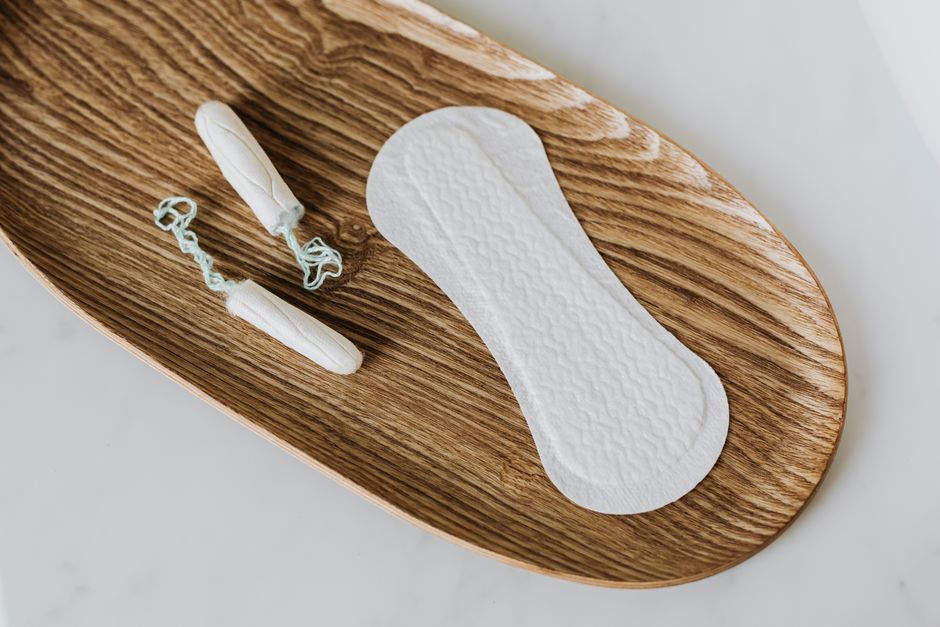
Putting in a tampon should not hurt. If it did, the most likely reason is that the tampon was placed at the wrong angle, pushed in too shallow, or inserted while the pelvic floor muscles were tense. The vagina angles backward toward the tailbone, not straight up, and a tampon that presses against the vaginal wall or sits too low near the sensitive vaginal opening will cause pain. In some cases, an underlying condition such as vaginismus or a vaginal infection is the real cause, and that deserves attention.
Pain with tampon insertion is common, especially for first-time users. It is also one of the most misunderstood body mechanics problems. Most of the time the anatomy is normal and the technique is off. Sometimes it is not technique at all.
Why Did It Hurt To Put A Tampon In?
The vagina is a muscular canal that tilts backward at an angle. Many people push a tampon straight up, as if the vagina were a vertical tube. It is not. When the applicator hits the back wall or the side wall of the vagina, it creates a scraping or stinging sensation.
The vaginal opening and the lower third of the vagina are the most nerve-rich areas. A tampon that only goes partway in sits right against these sensitive tissues. That is why a half-inserted tampon feels uncomfortable or painful, while a fully inserted one usually cannot be felt at all.
Muscle tension is the other major factor. The pelvic floor muscles and the muscles around the vaginal opening respond to anxiety and anticipation. When someone expects pain, the body often tightens in response. Insertion then becomes genuinely difficult and painful, which confirms the fear and makes the next attempt harder.
Three factors account for most cases:
- Wrong angle — aiming straight up instead of back toward the tailbone
- Shallow placement — stopping before the tampon clears the sensitive lower vagina
- Muscle tension — clenching from nerves, discomfort, or a rushed attempt
There is a detail many people never hear: the vagina is not a straight channel. Its internal shape and the position of the cervix vary from person to person. A tampon can be inserted correctly and still feel wrong if it presses against the cervix, which is sensitive in some people.
Is It Normal For A Tampon To Hurt The First Few Times?
Some discomfort with early tampon use is common and usually reflects technique rather than a medical problem. The first few attempts often happen under pressure, with tense muscles and an uncertain sense of direction.
Pain that fades as someone learns the angle and relaxes is not a warning sign. Pain that is sharp, persists every time regardless of technique, or prevents insertion entirely is different. That pattern points to something beyond inexperience.
Many people find that starting with the smallest absorbency, using a smooth applicator, and inserting while standing with one foot on a low surface or sitting on the toilet helps. These are practical adjustments, not medical treatment. They work because they change the angle and reduce muscle guarding.
What Conditions Can Make Tampon Insertion Painful?
When technique is correct and pain continues, a medical cause should be considered. Several conditions can make insertion painful or impossible, and they are not rare.
Vaginismus is an involuntary tightening of the muscles around the vaginal opening. It is not a choice or a sign of weakness. The muscles contract reflexively in response to anticipated penetration. Insertion of a tampon, a finger, or during sex can all be affected. Vaginismus is well recognized in gynecologic practice and responds to treatment, often pelvic floor physical therapy.
Vulvodynia is chronic pain of the vulva without a clear identifiable cause. The pain can be burning, stinging, or raw. Contact with the vaginal opening, including a tampon, can trigger it.
Vaginal infections such as yeast infections or bacterial vaginosis can inflame the vaginal lining. Inflamed tissue is more sensitive, and insertion may sting or burn. These infections usually come with other signs, such as discharge, itching, or odor.
Vaginal dryness reduces lubrication and increases friction. It is common during breastfeeding, around menopause, and with certain medications. Dry tissue makes insertion uncomfortable in a way that has nothing to do with technique.
A hymenal remnant or a septate hymen — a hymen with an extra band of tissue — can narrow the opening. These are anatomical variations present from birth. Some cause no trouble at all. Others make tampon use difficult, and a clinician can assess whether this applies.
These conditions are diagnosed by a clinician, usually through history and a physical exam. Self-diagnosis is unreliable here because the symptoms overlap.
How Do You Insert A Tampon Without Pain?
Correct placement removes most pain caused by technique. The key is direction and depth, not force.
- Aim backward, not up. Point the applicator toward the lower back or tailbone.
- Relax the pelvic floor. Take a slow breath and let the muscles soften before inserting.
- Push the applicator in fully before pressing the plunger, so the tampon sits past the sensitive lower vagina.
- Use the lowest absorbency that manages your flow. A smaller tampon is easier to insert.
- Try a comfortable position — standing with one foot raised, squatting, or sitting on the toilet.
- Do not force it. If it will not go in, stop and try again later. Forcing causes pain and muscle tension.
If a tampon is inserted correctly and still hurts, that is the signal to stop adjusting technique and consider a medical cause.
When Should You See A Doctor About Tampon Pain?
Pain that happens every time, pain that is severe, or the inability to insert a tampon at all are reasons to see a clinician. These are not things to push through.
Other signs that warrant an evaluation include:
- Burning, stinging, or sharp pain during insertion
- Pain that continues after the tampon is in place
- Discharge, itching, or odor alongside the pain
- Pain with sex, with pelvic exams, or with inserting a finger
- Bleeding that is not related to your period
A clinician can assess for vaginismus, vulvodynia, infection, dryness, or anatomical variation. Pelvic floor physical therapy is a well-established treatment for vaginismus and related muscle pain. It is not a last resort; it is often a first-line approach.
One point worth stating plainly: painful tampon insertion is not something to accept as normal. It is common, but common is not the same as unavoidable. Most causes are treatable.
Can Stress Or Anxiety Make Tampon Insertion Hurt?
Yes. Anxiety directly affects the muscles involved in insertion. The pelvic floor and the muscles around the vaginal opening tighten under stress, and that tightening makes insertion painful or impossible.
This is a physical response, not a character flaw. The body guards against what it anticipates as threatening. When someone has had a painful experience before, the body braces in advance of the next attempt. That bracing is the pain.
Reducing anxiety helps. A calm setting, unhurried timing, and no pressure to succeed on the first try all reduce muscle guarding. Some people find that learning about their own anatomy — using a mirror to see the vaginal opening and understand the angle — reduces fear and improves placement.
If anxiety around insertion is intense or tied to past trauma, a clinician or a therapist trained in pelvic health can help. This is a recognized area of care, not an unusual request.
Frequently Asked Questions
Why does it hurt when I put a tampon in?
The most common cause is inserting at the wrong angle or not pushing the tampon in far enough, which leaves it pressing against the sensitive lower vagina. Muscle tension from nerves or an underlying condition such as vaginismus can also cause pain.
Is it normal for tampons to hurt the first time?
Mild discomfort with early use is common and usually reflects technique and tense muscles rather than a medical problem. Sharp or persistent pain, or pain that happens every time regardless of technique, is not normal and should be evaluated.
What is vaginismus and can it make tampon insertion impossible?
Vaginismus is an involuntary tightening of the muscles around the vaginal opening that can make tampon insertion painful or impossible. It is a recognized condition that responds to treatment, often pelvic floor physical therapy.
When should I see a doctor about pain inserting a tampon?
See a clinician if pain happens every time, is severe, or prevents insertion entirely. Discharge, itching, odor, or pain with sex or pelvic exams are also reasons to get evaluated.
