
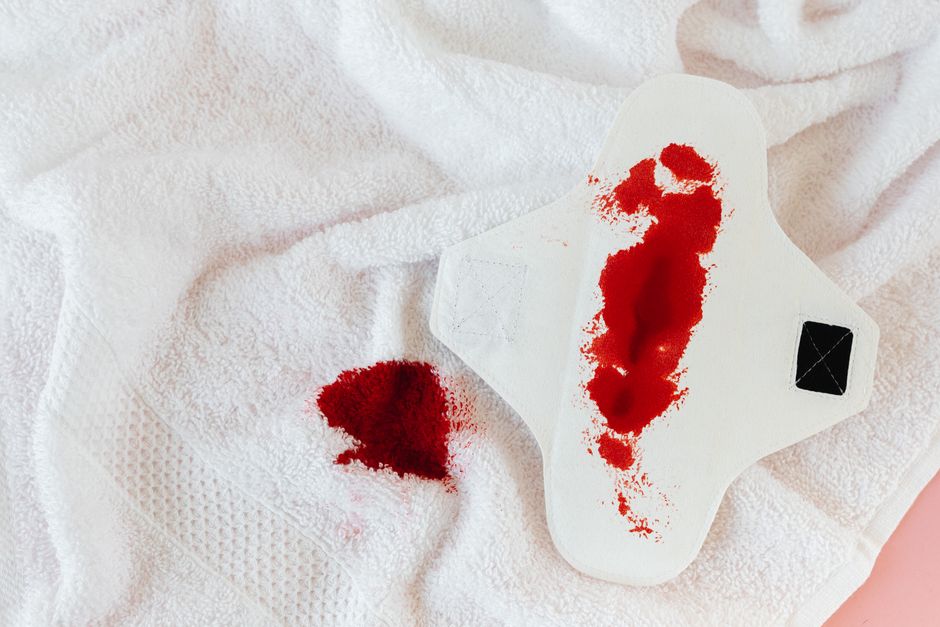
Bleeding in the middle of your cycle is common, and it usually isn’t your period at all. True menstruation happens after ovulation, not during it. What most people call “getting my period during ovulation” is usually ovulation bleeding or another type of mid-cycle spotting. It tends to be light, brief, and different from a normal period. In most cases it’s harmless, but some causes of mid-cycle bleeding need a doctor’s attention.
The menstrual cycle has a predictable sequence. Estrogen rises, an egg is released, progesterone takes over, and if no pregnancy occurs, the uterine lining sheds as a period. Bleeding that shows up around ovulation sits outside that sequence. Understanding why helps you tell ordinary spotting from something worth checking.
Why Did I Get My Period During Ovulation?
You almost certainly didn’t. A real period is the shedding of the uterine lining that follows ovulation by roughly two weeks. Bleeding at ovulation is a separate event, and it’s usually light spotting rather than a full flow.
The most common explanation is a brief dip in estrogen right around the time the egg is released. Estrogen has been climbing for days to thicken the uterine lining. When it drops sharply just after ovulation, a small amount of that lining can shed. That produces light spotting, often pink or brown, lasting a day or two.
There’s a detail many people miss. Ovulation bleeding is generally not a sign that something is wrong with the ovary or the egg. It reflects hormone fluctuation, not a problem with the release itself. Most ovulatory cycles that produce spotting are otherwise normal.
Some research suggests ovulation bleeding is more common than many people realize, though estimates vary widely across studies. The evidence on exactly how often it happens is not strong. What’s clearer is that light mid-cycle spotting is frequently reported and usually benign.
How Can You Tell Ovulation Bleeding From a Period?
The two differ in timing, amount, and duration. A period arrives about 12 to 16 days after ovulation and typically lasts three to seven days with a heavier flow. Ovulation spotting happens close to mid-cycle, is light, and usually clears within one to two days.
Other signs can help you place the bleeding in your cycle. Around ovulation, some people notice a change in cervical mucus — it becomes clearer, wetter, and stretchier, similar to raw egg white. Some feel a one-sided twinge of pelvic pain called mittelschmerz. Basal body temperature rises slightly after ovulation, though only tracking over time reveals that shift.
Here’s a comparison of the typical features:
| Feature | Ovulation spotting | Menstrual period |
|---|---|---|
| Timing | Around mid-cycle | About two weeks after ovulation |
| Amount | Light, often pink or brown | Moderate to heavy, red |
| Duration | Usually 1–2 days | Usually 3–7 days |
| Cervical mucus | Clear and stretchy | Not the stretchy type |
| Pattern | May recur each cycle | Regular monthly pattern |
These features are typical, not absolute. Cycles vary, and some people have irregular patterns that make timing harder to read. If you’re unsure, tracking your cycle for a few months gives a clearer picture than any single episode.
What Else Causes Bleeding Around Ovulation?
Ovulation isn’t the only reason for mid-cycle bleeding. Several other causes can produce spotting that lands near the middle of your cycle, and some are worth a doctor’s look.
- Hormonal contraception. Starting, stopping, or switching birth control pills or using hormonal patches, rings, or implants can cause breakthrough bleeding at any point in the cycle.
- Implantation bleeding. If a fertilized egg implants in the uterine lining, light spotting can occur. This typically happens about 10 to 14 days after fertilization, which can fall near the time a period would be expected.
- Infections. Sexually transmitted infections and other cervical or vaginal infections can cause bleeding between periods, often with discharge or discomfort.
- Cervical changes. Polyps, inflammation, or other cervical conditions can bleed, sometimes after sex.
- Uterine polyps or fibroids. These growths are usually non-cancerous but can cause irregular or mid-cycle bleeding.
- Perimenopause. In the years before menopause, hormone levels fluctuate and cycles become less predictable, which can produce irregular bleeding.
- Thyroid or other hormonal conditions. Changes in thyroid function or other hormone systems can disrupt the cycle.
The list is long, which is why the timing and pattern of the bleeding matter. Spotting that recurs at the same point each cycle points one way. Bleeding that appears randomly, gets heavier, or comes with other symptoms points another.
When Should You See a Doctor About Mid-Cycle Bleeding?
Most light ovulation spotting doesn’t require a doctor’s visit. Some patterns do. It’s reasonable to seek medical evaluation if any of the following apply:
- Bleeding is heavy enough to soak through a pad or tampon, or it resembles a full period.
- Bleeding lasts more than a few days or keeps getting heavier.
- It happens repeatedly and disrupts your ability to track your cycle.
- It comes with pelvic pain, fever, unusual discharge, or pain during sex.
- It occurs after menopause — any bleeding after menopause should be evaluated.
- It happens during pregnancy, which should always be checked.
These are general guideposts, not a diagnosis. A clinician can assess the pattern, review your history and medications, and decide whether any testing is needed. Many causes of irregular bleeding are manageable once identified. Some, like certain infections, need treatment. A few, like postmenopausal bleeding, need prompt evaluation.
No clinical guidelines set a universal rule for when mid-cycle spotting becomes concerning. The judgment depends on your age, cycle history, medications, and other symptoms. That’s why a conversation with a clinician is more useful than a fixed threshold.
Does Ovulation Bleeding Affect Fertility?
Ovulation spotting by itself does not reduce fertility. It’s a sign that ovulation is occurring, which is the opposite of a fertility problem. The bleeding reflects a hormone shift, not a failure to release an egg.
The caveat is that the underlying cause matters. If the spotting is truly from ovulation, fertility isn’t affected. If it comes from a thyroid condition, an infection, or another hormonal issue, those conditions can affect the cycle and should be addressed. The bleeding is a clue, not the cause.
If you’re trying to conceive and notice regular mid-cycle spotting, it can still be useful to mention it to your clinician. It helps build a fuller picture of your cycle. But light ovulation spotting on its own is not a reason to worry about your ability to conceive.
What Can You Do About It?
For ordinary ovulation spotting, no treatment is needed. It’s a normal variation of the cycle for many people. Tracking your cycle, noting the timing and amount of any bleeding, and observing whether it follows a pattern gives you useful information to share with a clinician if needed.
If the spotting is linked to birth control, a clinician can help review options. If an infection or another condition is found, treating it usually resolves the bleeding. There is no established treatment specifically for ovulation spotting, because it isn’t a disorder.
Be cautious with supplements or products marketed to “balance hormones” or stop mid-cycle bleeding. No clinical evidence confirms these work for this purpose, and some can interfere with your cycle or interact with medications. The reliable path is observation, tracking, and professional evaluation when something doesn’t fit the usual pattern.
Frequently Asked Questions
Can you actually get your period during ovulation?
No. A true period happens about two weeks after ovulation when the uterine lining sheds. Bleeding at ovulation is light spotting from a hormone shift, not a menstrual period.
How long does ovulation bleeding last?
It usually lasts one to two days and is light, often pink or brown. Bleeding that lasts longer or gets heavier is worth mentioning to a doctor.
Is bleeding during ovulation a sign of pregnancy?
Not usually. Ovulation bleeding happens around egg release, while implantation bleeding can occur about 10 to 14 days after fertilization and may fall near when a period is due.
Should I worry about spotting mid-cycle?
Light spotting that follows a pattern is usually harmless. Heavy bleeding, bleeding after menopause, bleeding during pregnancy, or spotting with pain or fever should be checked by a clinician.
