
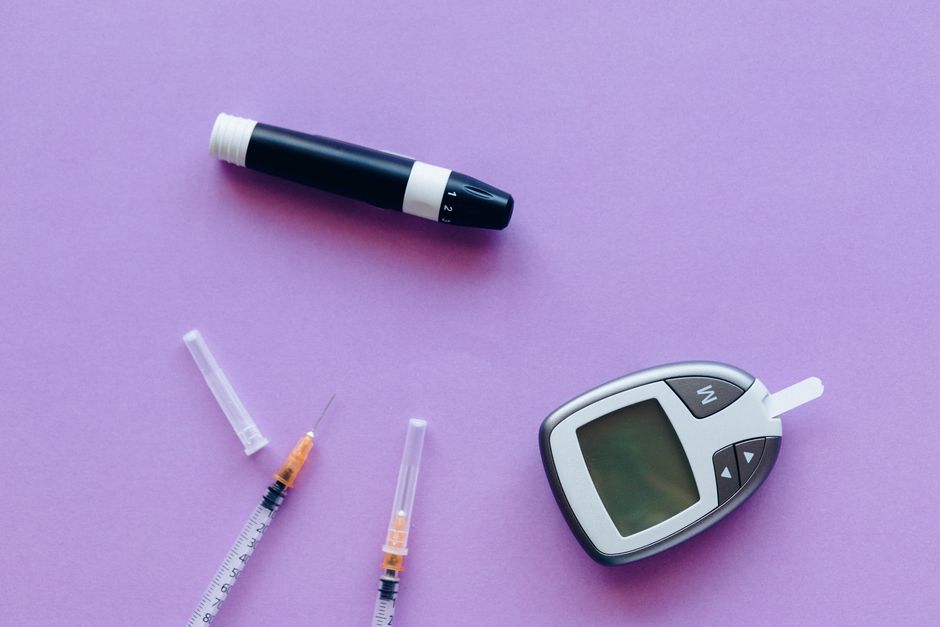
Low blood sugar in diabetes is usually caused by diabetes treatment itself. Insulin and drugs called sulfonylureas lower glucose directly, and when the dose, timing, food intake, or activity level does not line up, blood sugar can drop below normal. The body’s normal counter-regulation — releasing stored glucose and hormones that raise blood sugar — can also be impaired in people who have had diabetes for years. That combination is why hypoglycemia is common in treated diabetes and rare in people who do not take glucose-lowering medication.
Why Diabetics Get Low Blood Sugar? Causes And Risks
Hypoglycemia means blood glucose is lower than the body needs for normal function. In clinical terms, it is generally defined as glucose below 70 mg/dL, with serious impairment usually occurring at lower levels. The single largest cause is medication that lowers glucose, especially insulin and sulfonylureas.
It helps to separate two situations. In type 1 diabetes, the body does not make insulin, so all insulin is injected or delivered by pump. In type 2 diabetes, the body still makes insulin but does not respond to it well, and treatment may include medications that push insulin out of the pancreas or make the body more sensitive to it. Some type 2 medications carry a real risk of hypoglycemia. Others, such as metformin, do not lower glucose below normal on their own.
This distinction matters because the cause of a low is often the treatment, not the disease. A person whose diabetes is managed with diet and metformin alone has little to no medication-driven hypoglycemia risk. A person on insulin has a meaningful risk that must be managed every day.
What Causes Blood Sugar to Drop in Diabetes?
Most low blood sugar episodes trace back to a mismatch between glucose-lowering medication and the body’s actual needs at that moment. The common triggers are well established.
- Too much insulin or a sulfonylurea dose that is too high. This can happen with a dosing error, a change in prescription, or a new pen or pump setup.
- Missing or delaying a meal. Insulin taken for a meal still works even if the food does not arrive.
- Eating less than planned. A smaller meal than usual means less glucose to match the medication.
- Unplanned physical activity. Exercise increases how much glucose muscle takes up, and the effect can last for hours after activity ends.
- Alcohol. The liver normally releases stored glucose between meals. Alcohol blunts that release, which raises the risk of a low, particularly overnight.
- Illness. Vomiting or poor eating during an illness reduces food intake while medication continues.
- Kidney function changes. Insulin is cleared partly by the kidneys. When kidney function declines, insulin can stay in the body longer and lower glucose more than expected.
One detail that surprises many people: exercise-related lows are not limited to the workout itself. Muscles refill their glucose stores for hours afterward, so a low can occur overnight after an afternoon activity. Checking glucose before bed after an active day is a reasonable precaution many clinicians recommend.
Why Does the Body Fail to Catch a Low Early?
The body has a built-in alarm system for low blood sugar, and diabetes can weaken it. In people without diabetes, glucose falling triggers release of glucagon and epinephrine (adrenaline). Glucagon signals the liver to release stored glucose. Epinephrine produces the early warning signs — shakiness, sweating, and a racing heart — that prompt a person to eat.
In type 1 diabetes, the glucagon response to low blood sugar is often impaired within a few years of diagnosis. The epinephrine response can also become blunted after repeated episodes. The result is something clinicians call hypoglycemia-associated autonomic failure: the body stops mounting a strong alarm, so lows are felt later or not at all. This is why some people with long-standing diabetes develop hypoglycemia unawareness, meaning they can have a low without the usual warning symptoms.
This is not a character flaw or a sign of poor control. It is a physiological change tied to how the body adapts to repeated lows. The clinical implication is serious: without warning symptoms, a person may not treat a low until thinking and coordination are already affected.
What Are the Symptoms of Low Blood Sugar?
Symptoms fall into two groups, and they occur at different stages.
Early warning symptoms come from the adrenaline response: shakiness, sweating, nervousness or anxiety, a fast heartbeat, hunger, and tingling around the mouth. These are the body’s attempt to get you to act.
Neuroglycopenic symptoms come from the brain not getting enough glucose: confusion, difficulty concentrating, slurred speech, blurred vision, dizziness, unusual behavior, and drowsiness. These are more serious because they signal that brain function is already affected.
Severe hypoglycemia means the person cannot treat themselves. It can involve seizures, loss of consciousness, or coma. This is a medical emergency and requires help from someone else.
Symptoms vary widely between people. Some feel shaky at 65 mg/dL while others function normally at that level and feel symptoms only lower. This variability is one reason checking glucose with a meter or continuous glucose monitor matters more than relying on how you feel.
Who Is at Highest Risk?
Risk is not evenly distributed. Certain factors make low blood sugar more likely and more dangerous.
- Type 1 diabetes. Insulin therapy is required, so the risk of hypoglycemia is present every day.
- Insulin or sulfonylurea use in type 2 diabetes. These medications can lower glucose below normal.
- A history of severe hypoglycemia. Prior severe episodes predict future ones.
- Hypoglycemia unawareness. Without warning symptoms, lows go untreated longer.
- Longer diabetes duration. The body’s counter-regulatory responses weaken over time.
- Older age. Symptoms may be less clear, and cognitive effects of a low can be more consequential.
- Reduced kidney function. Slower insulin clearance extends its effect.
- Alcohol use. It blunts the liver’s glucose release.
- Tight glucose targets. Lower targets reduce average glucose but can increase low episodes, which is why targets are individualized.
Age deserves a specific note. Older adults with diabetes often have less pronounced warning symptoms and may live alone, which increases the chance a low goes unrecognized. Clinical guidance generally favors less aggressive glucose targets in older adults with other health conditions, precisely because the harm of a severe low can outweigh the benefit of a lower average glucose.
What Are the Risks of Repeated Low Blood Sugar?
The immediate risk is injury. Confusion, dizziness, and loss of coordination during a low can lead to falls, driving accidents, and other mishaps. Severe hypoglycemia can cause seizures and loss of consciousness.
There is also a longer-term concern. Repeated episodes of hypoglycemia can worsen hypoglycemia unawareness, creating a cycle where lows are less felt and therefore less treated. Some research suggests severe hypoglycemia is associated with cognitive changes in older adults, though the evidence is not definitive and causality is difficult to establish.
Cardiovascular effects are another area of active research. Low blood sugar triggers adrenaline release, which can stress the heart. Studies have found associations between severe hypoglycemia and cardiac events, but whether the low directly causes the event or is a marker of underlying fragility remains debated. The honest position is that the association is real and concerning, while the mechanism is not fully settled.
What is clear: preventing severe lows is a core goal of diabetes care, not an afterthought. Modern treatment approaches increasingly weigh hypoglycemia risk alongside average glucose control.
How Is Low Blood Sugar Treated?
For a conscious person who can swallow, the standard approach is fast-acting carbohydrate. The widely used rule is the 15-15 rule: take about 15 grams of fast-acting carbohydrate, wait 15 minutes, and recheck glucose. If still below 70 mg/dL, repeat.
Examples of about 15 grams of fast-acting carbohydrate include 4 ounces (half a cup) of juice or regular soda, 1 tablespoon of sugar or honey, or glucose tablets dosed per the package label. Fat slows absorption, so chocolate is a poor choice for treating a low.
For a person who is unconscious or cannot swallow safely, oral treatment is not appropriate because of choking risk. This is an emergency. Glucagon, available as an injection or nasal spray by prescription, is the standard emergency treatment, and calling emergency services is appropriate. People who take insulin or a sulfonylurea are generally advised to have a glucagon kit and to make sure family or coworkers know how to use it.
After treating a low, eating a snack or meal containing protein and complex carbohydrate helps prevent a rebound drop, especially if the next meal is hours away.
How Can Low Blood Sugar Be Prevented?
Prevention is built on matching medication to food and activity, and on monitoring. No single step eliminates risk, but the combination reduces it substantially.
- Check glucose before driving and before exercise.
- Carry fast-acting carbohydrate at all times.
- Adjust insulin for planned exercise in discussion with your care team.
- Do not skip meals after taking insulin or a sulfonylurea.
- Limit alcohol, and never drink on an empty stomach if you take insulin or a sulfonylurea.
- Review glucose patterns with your clinician to adjust doses rather than guessing.
- Use a continuous glucose monitor if available and appropriate; these devices can alert to lows, including at night.
Continuous glucose monitors have changed hypoglycemia management meaningfully. They can sound an alarm before glucose falls to a dangerous level, which is particularly valuable for people with unawareness. They are not a substitute for carrying treatment, but they add a layer of warning the body may no longer provide.
Any change in medication, kidney function, weight, or daily routine is a reason to revisit the glucose plan with a clinician. Doses that worked six months ago may not fit today.
Frequently Asked Questions
Can low blood sugar happen in type 2 diabetes?
Yes, but mainly when treatment includes insulin or a sulfonylurea. Type 2 diabetes managed with diet, exercise, and medications like metformin carries little to no risk of medication-driven hypoglycemia.
What blood sugar level is considered low?
Below 70 mg/dL is generally considered low, and below 54 mg/dL is considered clinically significant hypoglycemia. Symptoms can vary, and some people feel symptoms at different levels.
Can you have low blood sugar without symptoms?
Yes. Hypoglycemia unawareness is a recognized condition in which the body’s warning symptoms become blunted, often after repeated lows or with longer diabetes duration. It is a reason glucose monitoring matters even when you feel fine.
Does alcohol cause low blood sugar in diabetics?
It can. Alcohol blunts the liver’s release of stored glucose, which raises the risk of a low, particularly overnight. Drinking on an empty stomach increases that risk further.
