
Dental floss costs so much because you are not really paying for the floss. You are paying for the packaging, the brand name, the retail shelf space, and the shipping of a bulky, lightweight product that is expensive to move and cheap to make. The floss itself is usually a few cents worth of nylon, PTFE, or wax. The markup happens everywhere else. The good news is that floss is one of the easiest health products to buy for far less, as long as you know what actually matters in the ingredients and what is pure marketing.
Why Dental Floss Is So Expensive And How To Save
The single biggest driver of floss price is branding and packaging, not the string. A small plastic dispenser, a printed cardboard backer, a hanging peg hole, and a barcode cost more to produce and ship than the floss inside. When you buy a name brand at a drugstore, you are paying for advertising, shelf placement, and the convenience of a store that is open at 10 p.m.
There is also a structural reason floss is pricey per unit. It is a low-cost, low-margin item that stores still need to stock. Retailers make their money on volume and on the products around it, so floss often carries a higher percentage markup than expensive items. A tube of toothpaste might cost the store two dollars and sell for five. A pack of floss might cost the store fifty cents and sell for four. The percentage is huge even when the dollar amount is small.
How to save, in plain terms:
- Buy floss in multi-packs or larger containers. The per-yard cost drops sharply when you stop buying single dispensers.
- Skip the brand name when the ingredient list is the same. Generic and store-brand floss is often made in the same factories as name brands.
- Buy online in bulk if you go through floss steadily. Shipping is the main cost, so a larger order spreads it out.
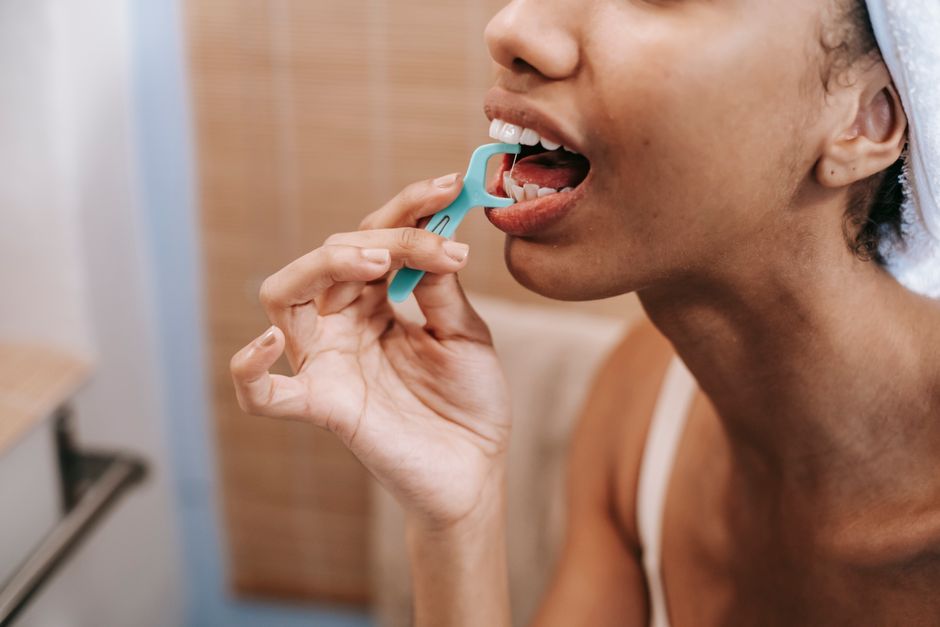
- Consider floss picks or a water flosser if you struggle with string floss. They cost more per use, but they only save money if you actually use them.
- Check dollar stores and discount retailers. Many carry basic waxed floss for a fraction of drugstore prices.
One clarification worth knowing: the type of floss matters less than whether you use it. Waxed, unwaxed, nylon, and PTFE all remove plaque between teeth when used correctly. The expensive “advanced” coatings and flavors are largely a matter of preference, not proven cleaning power.
What Actually Makes Floss Cost More
Several real costs sit behind the price tag, and understanding them helps you spot when you are being overcharged.
Material. Nylon multifilament floss is the cheapest to make. PTFE (often sold as a smooth-glide floss) costs more because the material itself is more expensive and the manufacturing is more complex. If a package charges a premium for “smooth” PTFE, that premium is partly real and partly brand markup.
Dispensing and packaging. A floss dispenser with a cutting blade, a hinged lid, and a travel case adds cost. Refillable containers and plain spools are cheaper because there is less plastic and less assembly.
Distribution. Floss is light but bulky. A truck full of floss holds far less value than a truck full of electronics, so the shipping cost per dollar of product is high. This is one reason online bulk buying often beats store buying.
Retail margin. As noted, stores mark up small health items aggressively. Convenience stores and airports charge the most. Big-box stores and online sellers charge the least.
The takeaway is simple. You cannot change material or shipping costs, but you can change where and how you buy. That is where the savings live.
Does Cheap Floss Work As Well As Expensive Floss?
For removing plaque and food debris, cheap floss works as well as expensive floss when used correctly. The mechanical action of sliding floss between teeth and along the gumline is what cleans. The brand, the flavor, and the price do not change that action.
What can differ is comfort and ease of use. Some people find PTFE floss easier to slide between tight teeth. Some find waxed floss more comfortable. Some find floss picks easier to hold. Those are real differences, but they are about whether you will actually floss, not about whether the floss cleans better.
There is one caveat. Very cheap floss can shred or break more easily, which makes flossing frustrating and less likely to happen. If a bargain brand falls apart in your hands, it is not saving you money if it stops you from flossing. In that case, a slightly more expensive floss that you actually use is the better value.
What the evidence does not support is paying extra for claims like “antibacterial coating” or “enzymatic cleaning” on floss. No large human trials have confirmed that these coatings meaningfully improve gum health beyond what the floss itself does. The coating may help with breath temporarily, but it is not a substitute for the physical cleaning.





How To Choose Floss Without Overpaying
Focus on three things: material, thickness, and whether you will use it.
- Material. Nylon multifilament is the standard and the cheapest. PTFE is smoother and pricier. Both clean effectively.
- Thickness. Thin floss fits tight contacts. Wide floss or dental tape covers more surface on wider gaps. Match it to your teeth, not to the price.
- Waxed vs. unwaxed. Wax helps floss slide and can make it easier to use. Unwaxed may squeak against teeth, which some people like as feedback. Neither cleans better.
- Form. String, picks, and water flossers all have evidence for reducing plaque and gum inflammation when used consistently. String floss remains the cheapest per use.
If you have braces, bridges, or implants, ask your dentist which type fits your situation. That is a clinical question, not a shopping question, and the answer can change what you should buy.
When Saving Money On Floss Is A Bad Idea
There is a point where saving money on floss costs you more in dental care. If you have gum disease, a history of cavities between teeth, or a dentist who has flagged specific areas, the priority is using floss correctly and consistently, not finding the cheapest option.
Gum disease is common. In the United States, roughly half of adults age 30 and older have some form of periodontal disease, according to data from the Centers for Disease Control and Prevention. That is a large share of the population for whom flossing is not optional.
Flossing does not replace professional cleanings or treat existing gum disease on its own. It is a preventive habit. If your gums bleed when you floss, that is often a sign of inflammation and worth mentioning to a dentist rather than ignoring.
The money-saving mindset should apply to how you buy floss, not to whether you use it. A four-dollar spool that you use daily is a better investment than a one-dollar spool that sits in a drawer.
How Much Can You Actually Save?
Savings depend on how you buy, not on a single universal number. Buying in bulk online or at a big-box store can cost noticeably less per yard than buying single dispensers at a drugstore or convenience store. The percentage difference varies by brand, retailer, and package size, so there is no single figure that applies to everyone.
What is consistent is the direction. Larger packages lower the per-use cost. Store brands lower it further. Buying where floss is a commodity rather than a convenience item lowers it most. Over a year, a household that flosses daily can spend meaningfully less by switching from single drugstore dispensers to bulk or store-brand purchases.
Do not chase the absolute cheapest option if it makes flossing unpleasant. The goal is a lower cost per use that you actually complete, not the lowest sticker price on the shelf.
Frequently Asked Questions
Is expensive dental floss better than cheap floss?
No. For removing plaque and debris, cheap floss works as well as expensive floss when used correctly. You may pay more for smoother material or a nicer dispenser, but that does not mean it cleans better.
Why is dental floss so expensive at drugstores?
Drugstores mark up small health items heavily and charge for convenience. The floss itself is cheap to make, but packaging, branding, shipping, and retail margin push the price up.
Can I save money by buying floss in bulk?
Yes. Buying multi-packs or larger containers online or at big-box stores lowers the cost per yard compared with single dispensers. Store-brand and generic floss can lower it further.
Does floss expire or go bad?
Floss does not have a strict expiration in the way food does, but the coating and material can degrade over many years. If floss shreds easily or smells off, replace it.
