
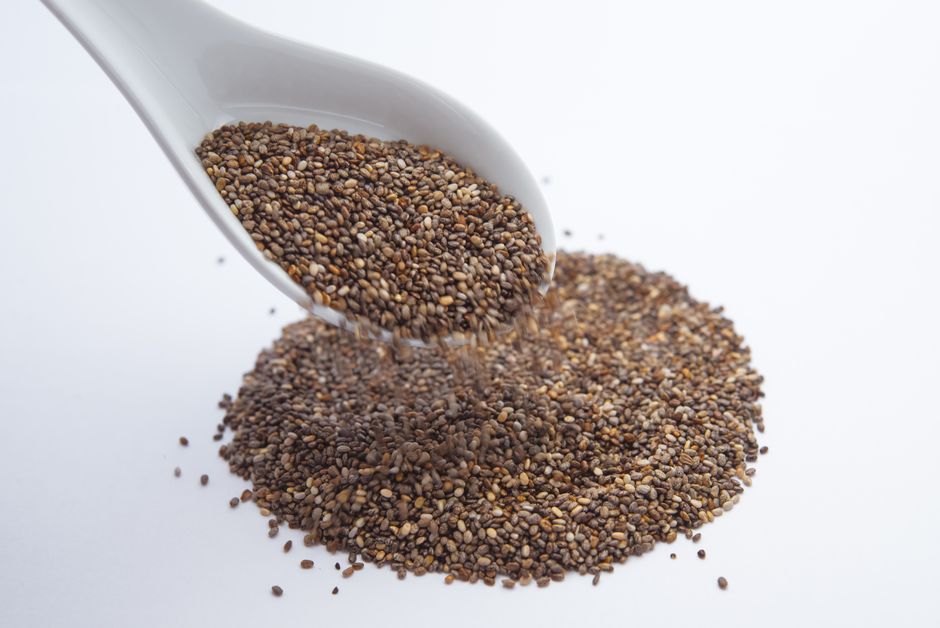
Chia seeds earn their reputation through composition, not marketing. They pack fiber, alpha-linolenic acid (a plant omega-3), complete protein, and several minerals into a small seed that stores well and fits easily into everyday meals. That combination explains most of the health interest around them. It does not make them a cure for anything.
The seed’s real story is mechanical and nutritional at the same time. The soluble fiber forms a gel that slows digestion and feeds gut bacteria. The fat profile supplies a plant-based omega-3 the body partly converts to a usable form. The minerals — calcium, magnesium, phosphorus — arrive in amounts that matter for people who do not eat much dairy or meat. None of this is exotic. It is simply a dense nutrient package in a convenient form.
Why Chia Seeds Are Healthy: The Nutrient Profile Behind the Claims
A single ounce of chia seeds — about two tablespoons — delivers roughly 10 grams of fiber, 5 grams of plant protein, and 5 grams of alpha-linolenic acid. That fiber figure is close to a third of the daily amount most adults are advised to get, which is unusual for a food this small.
The omega-3 in chia is ALA, not the EPA and DHA found in fish. The body converts ALA to EPA and DHA, but the conversion rate is low. Estimates vary, and for DHA specifically the conversion is generally considered inefficient. This matters because most of the cardiovascular and brain research on omega-3s uses EPA and DHA. So chia contributes to omega-3 intake, but it is not a substitute for fatty fish or a fish oil supplement if those are recommended for you.
Chia also supplies calcium, magnesium, phosphorus, and iron. For someone eating a plant-heavy diet, those minerals add up over the course of a day. The seed is gluten-free and contains no major allergens, though people with seed allergies should be cautious.
How the Fiber in Chia Seeds Works in Your Body
Chia’s fiber is roughly 70 to 80 percent soluble, and that fraction forms a gel when it contacts liquid. This is why chia pudding thickens and why a spoonful of dry seeds swells in water. The same gel forms in the stomach and intestines.
That gel slows the rate at which food leaves the stomach and how quickly glucose enters the bloodstream. Slower glucose absorption is one reason chia is often discussed in the context of blood sugar management. The effect is real but modest. Chia is not a treatment for diabetes, and it does not replace medication or monitoring.
The soluble fiber also acts as a prebiotic. Gut bacteria ferment it and produce short-chain fatty acids, including butyrate, which feed the cells lining the colon. This is a well-established mechanism for soluble fiber in general. What is less established is whether chia specifically produces measurable health outcomes beyond what any soluble fiber source would do.
One practical point people miss: chia absorbs many times its weight in water. Eating a large dry spoonful without enough liquid can cause discomfort or, in rare cases, a blockage. Soaking the seeds or eating them with plenty of fluid avoids this.
Does Chia Help With Weight, Blood Sugar, or Cholesterol?
The honest answer is that the evidence is mixed and generally modest. Some small trials have found that chia added to a diet slightly reduces appetite or improves certain blood markers. Other trials found no meaningful difference compared with a control.
Part of the problem is that chia is often studied on top of an already varied diet, where its individual effect is hard to isolate. Fiber-rich foods in general tend to increase satiety and support weight management, but attributing that effect specifically to chia overstates what the research shows.
For cholesterol, chia’s ALA content is the theoretical driver. ALA has been linked to modest cardiovascular benefits in some studies, but the evidence is weaker than for EPA and DHA. No large trial has shown that chia seeds lower heart disease risk on their own.
What can be said with confidence: chia is a nutritious food that fits well into diets aimed at weight control, blood sugar stability, or heart health. It is not a standalone solution for any of them.





How to Use Chia Seeds Without Getting It Wrong
Chia can be eaten raw, soaked, or ground. Whole seeds pass through digestion largely intact, so grinding them makes the nutrients more accessible. That said, whole seeds still contribute fiber and some nutrients, and many people prefer the texture.
- Stir a spoonful into yogurt, oatmeal, or a smoothie.
- Make chia pudding by soaking seeds in milk or a milk alternative for at least 20 minutes.
- Use ground chia as an egg substitute in baking — about one tablespoon ground chia plus three tablespoons water replaces one egg.
- Add to salads, soups, or grain bowls for texture and fiber.
A common mistake is eating dry chia by the handful. Always pair it with liquid. Start with a small amount — a tablespoon or two — and increase gradually so your gut adjusts to the extra fiber.
| Nutrient (per 1 oz / 28 g) | Amount |
|---|---|
| Fiber | ~10 g |
| Protein | ~5 g |
| Alpha-linolenic acid (ALA) | ~5 g |
| Calcium | ~179 mg |
| Magnesium | ~95 mg |
| Phosphorus | ~244 mg |
These figures come from standard USDA nutrient data and vary slightly by source.
Who Should Be Careful With Chia Seeds
Chia is generally well tolerated, but a few groups should pay attention. People with swallowing difficulties should avoid dry seeds, which can clump and create a choking hazard. Anyone with a history of bowel obstruction or narrowing should talk to a clinician before adding large amounts of any high-fiber food.
Because chia can slow digestion and affect blood sugar, people taking diabetes medication may need to monitor how it affects their readings. The effect is usually small, but it is not zero.
Chia is high in fiber, so adding too much too fast can cause bloating, gas, or cramping. This is a matter of pace, not a reason to avoid the seed. Increase gradually over a week or two.
For pregnancy and breastfeeding, chia is a food, not a supplement, and is generally considered safe in normal dietary amounts. No clinical guidelines specify a chia dose for pregnant or breastfeeding women, so there is no established recommendation beyond ordinary food use.
Chia vs. Other Seeds: What Actually Differs
Compared with flaxseed, chia has more fiber and calcium but less ALA per gram. Flax also needs to be ground to be well absorbed, while chia can be eaten whole. Compared with hemp seeds, chia has more fiber but less protein and no significant amount of the omega-3s found in fish.
Compared with sesame or sunflower seeds, chia’s standout feature is its soluble fiber and its ability to gel. That gel is what makes chia useful in puddings and as a binder, and it is also the source of most of its digestive effects.
The practical takeaway is that no single seed is best across the board. Chia is a strong choice for fiber and plant omega-3s. It is not uniquely superior to other seeds, and rotating among them is a reasonable approach.
What the Evidence Does and Does Not Show
What is well established: chia is nutrient-dense, high in soluble fiber, and a source of plant-based ALA. Its fiber behaves like other soluble fibers in the gut. These are not controversial claims.
What is not established: that chia specifically prevents heart disease, reverses diabetes, or produces weight loss beyond what any high-fiber food would do. Marketing often pushes past the evidence here. The seed is good. It is not magic.
If you are looking for a simple, shelf-stable way to add fiber, protein, and minerals to your diet, chia fits the bill. If you are looking for a treatment for a specific condition, chia is not that, and no study has shown it to be.
Frequently Asked Questions
Are chia seeds actually healthy or just a trend?
They are genuinely nutritious — high in fiber, plant protein, ALA omega-3, and minerals like calcium and magnesium. The trend framing oversells them, but the nutritional value is real and well documented.
How much chia should I eat per day?
There is no official daily recommendation, but most people tolerate one to two tablespoons per day well when paired with enough liquid. Start smaller and increase gradually to avoid digestive discomfort.
Do chia seeds need to be soaked before eating?
No, but soaking them or eating them with plenty of fluid is safer and easier on digestion. Dry chia absorbs water rapidly and can cause discomfort or, rarely, a blockage if eaten in large amounts without liquid.
Can chia seeds replace fish oil for omega-3s?
Not effectively. Chia provides ALA, which the body converts to EPA and DHA at a low rate, especially for DHA. If you need EPA and DHA specifically, chia is not a reliable substitute.
