
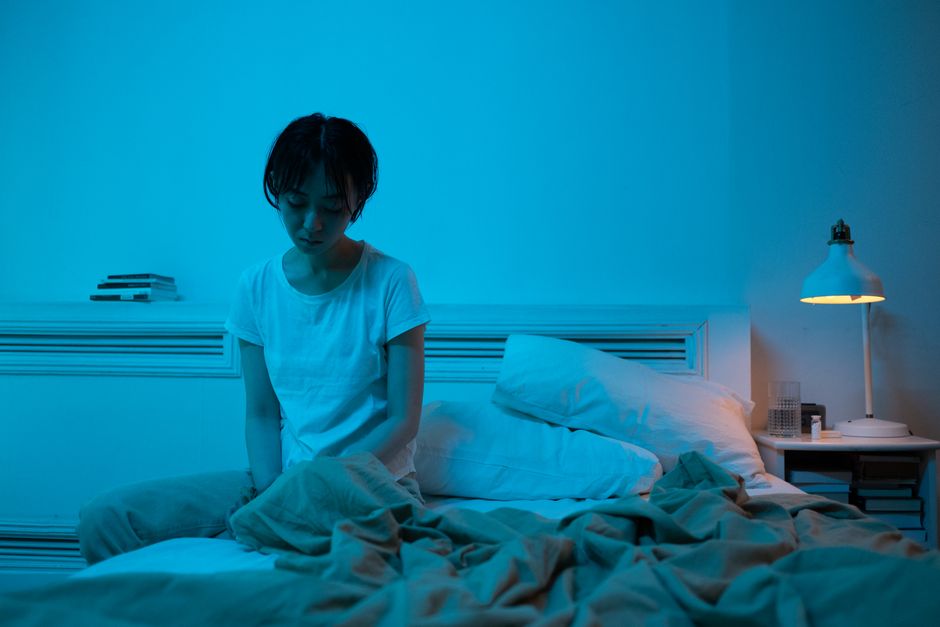
After a concussion, the brain’s normal sleep-wake system gets thrown off. The same injury that causes headaches and foggy thinking also disrupts the brain regions and chemical signals that control when you feel sleepy and when you stay awake. That is why so many people find they cannot sleep after a concussion, even when they feel exhausted.
Concussion is a mild traumatic brain injury. It changes brain function temporarily, and sleep problems are among the most common symptoms. Some people sleep far more than usual in the first days. Others lie awake for hours. Many wake repeatedly through the night. This is not a sign you are doing something wrong. It is a known part of how the injured brain responds.
Why Cant You Sleep With A Concussion?
The brain controls sleep through a network of structures and chemical messengers. A concussion disrupts that network. The result is a mismatch between how tired you feel and your ability to actually fall or stay asleep.
Several things happen at once after a head injury. The brain’s regulation of melatonin, the hormone that helps signal nighttime, can shift. Levels may rise or fall at the wrong times, so your body clock drifts out of step with day and night. The areas that manage arousal and alertness can become overactive or underactive. And the injury triggers inflammation and chemical changes that affect how brain cells communicate.
Pain makes it worse. Headaches, neck pain, and light sensitivity are common after a concussion, and pain is a well-known barrier to sleep. Anxiety about the injury, or about not sleeping, adds another layer. So does the disruption of normal daily routines, especially if you are resting more during the day than usual.
It helps to understand that this is a two-way street. Poor sleep can slow recovery and make symptoms feel worse. Worse symptoms can make sleep harder. Breaking that loop is a central part of concussion care.
How Common Are Sleep Problems After a Concussion?
Sleep problems are among the most frequently reported symptoms after a concussion. They often appear within the first days and can persist for weeks.
Research on concussion consistently finds that a large share of people report trouble sleeping in the period after injury. The exact numbers vary between studies depending on how sleep problems are measured and how soon after injury people are assessed. What is clear is that disturbed sleep is not rare or unusual. It is expected in many cases.
Most people see their sleep improve as the brain recovers, which for many happens within a few weeks. For some, sleep difficulties last longer. When sleep problems persist, they can interfere with thinking, mood, and the return to normal activity. That is one reason clinicians take sleep seriously after a head injury rather than treating it as a minor side issue.
What Kind of Sleep Problems Can Happen?
Concussion does not cause just one type of sleep problem. The pattern varies from person to person, and it can change over the course of recovery.
- Trouble falling asleep. Lying awake long after going to bed, even when tired.
- Waking during the night. Frequent awakenings that break up sleep.
- Waking too early. Falling asleep but waking hours before you intend to.
- Sleeping too much. Feeling the need to sleep far more than usual, especially early on.
- Day-night reversal. Feeling sleepy during the day and alert at night.
- Unrefreshing sleep. Sleeping a normal amount but waking up still exhausted.
Some people also develop symptoms of obstructive sleep apnea or other sleep disorders after a head injury, though this is less common and needs proper testing to confirm. If snoring, gasping, or daytime sleepiness is prominent, that is worth raising with a doctor.





Does Sleep Help You Recover From a Concussion?
Sleep is when the brain does much of its repair work. During sleep, the brain clears waste products, consolidates memory, and restores the chemical balance that supports clear thinking. After a concussion, good sleep supports recovery.
That does not mean you should sleep all day. Extended daytime sleeping can make it harder to sleep at night and can slow the return to normal routines. The goal is to protect nighttime sleep while staying gently active during the day as your symptoms allow.
There is an important caveat here. In the first hours after a suspected concussion, medical guidance focuses on watching for warning signs rather than on sleep itself. If someone has a head injury and is hard to wake, confused, vomiting repeatedly, or has a worsening headache, that is a medical emergency and needs immediate care. This is separate from the ordinary sleep disruption that follows a concussion once a person has been assessed and is stable.
What Can Help You Sleep Better After a Concussion?
The first step is to give your body clear signals about when to sleep and when to be awake. Regular wake times, morning light, and limited daytime naps all help reset a body clock that has drifted.
Good sleep habits matter more than usual during recovery:
- Go to bed and get up at roughly the same time each day.
- Get bright light in the morning and dim the lights in the evening.
- Keep naps short and early in the day, if you nap at all.
- Limit caffeine, especially in the afternoon and evening.
- Keep the bedroom cool, dark, and quiet.
- Wind down for an hour before bed without screens.
- Treat pain and headaches so they do not keep you awake.
Some clinicians recommend short-term use of sleep aids after a concussion. The evidence for medication in this situation is limited, and there are real concerns about side effects and about masking symptoms that help guide recovery. If medication is considered, it should be managed by a doctor who knows your injury and history. Do not start or stop any sleep medication on your own after a head injury.
If sleep problems last more than a few weeks, or if they are affecting your mood, thinking, or ability to function, talk to a doctor. A referral to a sleep specialist or a clinician experienced in concussion care may help.
How Long Does It Take for Sleep to Return to Normal?
For many people, sleep gradually improves over the first few weeks as the brain recovers. Recovery timelines vary widely from person to person, and there is no single number that applies to everyone.
Some people return to their normal sleep within days. Others take longer, and a smaller group has ongoing sleep difficulties. Factors that can affect this include the severity of the injury, prior sleep problems, anxiety or depression, and ongoing pain.
If your sleep is not improving, that is not a reason to panic. It is a reason to check in with a clinician. Persistent sleep problems are treatable, and addressing them can support the rest of your recovery.
When Should You See a Doctor?
Seek emergency care for a head injury if there is repeated vomiting, a worsening headache, confusion, slurred speech, weakness, seizure, or trouble staying awake. These are warning signs that need urgent attention.
For sleep problems that continue after the initial injury has been assessed, see a doctor if:
- Sleep problems last more than a few weeks.
- Daytime sleepiness makes it hard to work, drive, or function safely.
- You feel depressed, anxious, or hopeless.
- You have loud snoring, gasping, or pauses in breathing during sleep.
- Sleep problems are getting worse rather than better.
Sleep is not a minor detail after a concussion. It is part of how the brain heals. Getting help for it is a reasonable and important step.
Frequently Asked Questions
Why can’t I sleep after a concussion?
A concussion disrupts the brain systems and chemical signals that control sleep, and pain, anxiety, and changed daily routines add to the problem. This is a common and expected symptom, not a sign you are doing something wrong.
Is it OK to sleep after a concussion?
Once a person has been assessed and is stable, sleep is generally fine and supports recovery. In the first hours after a head injury, watch for warning signs like repeated vomiting, confusion, or trouble waking, and seek emergency care if any appear.
How long do sleep problems last after a concussion?
For many people sleep improves over the first few weeks as the brain recovers, but timelines vary widely. If sleep problems last more than a few weeks or affect your daily life, see a doctor.
Should I take sleep medication after a concussion?
Only under a doctor’s guidance. The evidence for sleep medication after a concussion is limited, and there are concerns about side effects, so this decision should be made with a clinician who knows your injury.
