
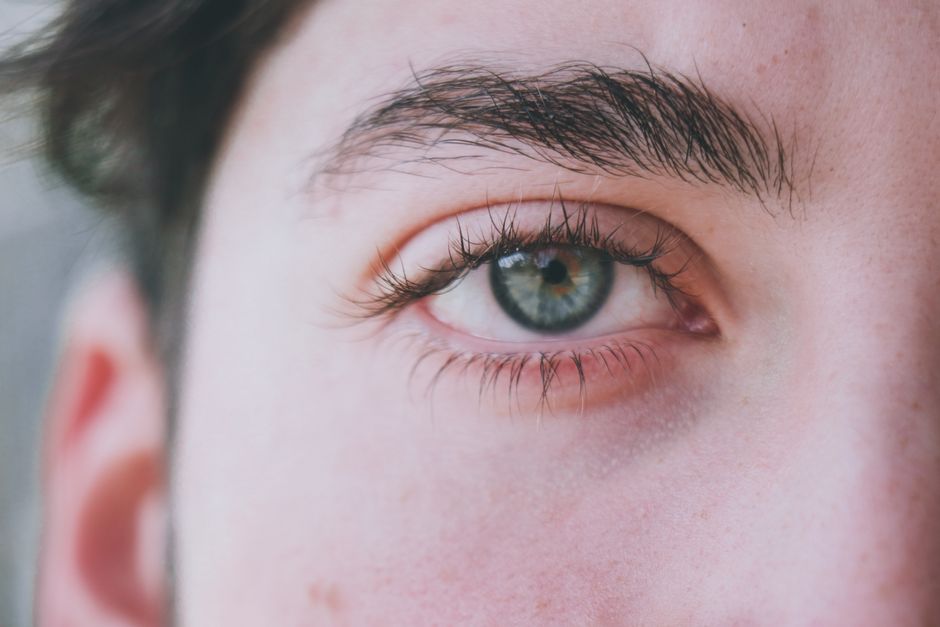
Seeing your own eyelashes in your field of vision is usually normal. Eyelashes sit directly in front of the eye, so light passing them casts faint shadows or streaks onto the retina. Your brain normally filters these shadows out. When you notice them, it is often because something has changed the tear film, the eyelid position, or the way light enters the eye. Less often, it signals an eye condition that needs a doctor’s care.
Why Can I See My Eyelashes In My Vision?
Your eyelashes are the closest object to your eye. Light bends around them, and the retina receives a soft, moving shadow of the lashes. This shadow is real. It is not a hallucination or a sign of eye damage by itself.
The reason you do not normally see it is that your visual system adapts. The brain suppresses constant, unchanging input so you can focus on the world instead of your own anatomy. This is similar to how you stop noticing the feeling of your clothes on your skin. When the image of the lashes becomes sharper, moves more, or stops being suppressed, it enters your awareness.
Several things can make that happen. Blinking, squinting, and looking down all briefly bring lashes into sharper view. Dry eyes, long lashes, and certain eyelid shapes make it more persistent. In some cases the cause is a refractive error, a tear film problem, or an eyelid condition.
What Is The Difference Between Normal Lash Awareness And A Problem?
Occasional awareness of your lashes is normal and not a medical concern. Most people can see their lashes if they try, especially against a bright background like a white wall or a computer screen.
The picture changes when the awareness is constant, interferes with reading or driving, or comes with other symptoms. Those added symptoms are the real signal. Watch for:
- New floaters or flashes of light
- A curtain or shadow across part of your vision
- Pain, redness, or discharge from the eye
- Blurred vision that does not clear with blinking
- Sensitivity to light that is new or worsening
- Sudden change in how many lashes you see, or in one eye only
Floaters and flashes together, or a shadow across the vision, can point to a retinal problem. That is a medical emergency and needs prompt care. Do not wait to see if it improves on its own.
How Does Dry Eye Make Eyelashes Visible?
Dry eye is one of the most common reasons people become aware of their lashes. A healthy tear film is a smooth, even layer that helps light pass cleanly into the eye. When that layer breaks up, light scatters.
Scattered light makes the edges of the lashes and other objects appear sharper and more noticeable. The tear film can also become uneven because of blinking problems, screen use, dry air, or certain medications. This is why lash awareness often gets worse during long stretches of screen work or in heated or air-conditioned rooms.
Dry eye is common and treatable, but it is not something to self-diagnose. A doctor can confirm it and rule out other causes. Over-the-counter lubricating drops help some people, but the evidence for any single product is limited, and what works varies from person to person.





Can Long Eyelashes Or Eyelid Shape Cause This?
Yes. Longer, thicker, or more curved lashes sit closer to the line of sight and cast a stronger shadow. This is a physical effect, not a disease. People with prominent or downturned lashes, or with certain eyelid shapes, tend to notice it more.
Eyelid position matters too. If the upper lid sits lower than usual, or if the lashes point inward, they cross the visual axis more often. A lash that rubs against the eye is called trichiasis. It can irritate the surface of the eye and, over time, cause damage if it is not treated. A doctor can usually see this during an exam.
Eyelash extensions and heavy mascara can also add to the effect. They enlarge the shadow and can clump lashes together, which makes the pattern more noticeable.
Could It Be A Refractive Error Or A Cataract?
Refractive errors change how light focuses on the retina. When focus is off, the eye works harder, and small visual details like lash shadows can become more apparent. Correcting the refractive error with glasses or contact lenses often reduces the awareness.
Cataracts are a clouding of the lens inside the eye. They usually develop slowly with age. Early on, they can scatter light and make vision hazier, which can make lash shadows more visible. Cataracts are common in older adults and are treated with surgery when they affect daily life.
Both of these are diagnosed by an eye exam, not by symptoms alone. Several different conditions can produce similar changes in vision, so a proper exam matters.
When Should You See An Eye Doctor?
See an eye doctor if the lash awareness is new, constant, or getting worse. Also go if it affects only one eye, or if it comes with any of the warning symptoms listed above. Sudden floaters, flashes, or a shadow across your vision need urgent care.
An eye exam can check the tear film, the eyelids, the lashes, the lens, and the retina. That is how a doctor tells the difference between a harmless optical effect and something that needs treatment. Many causes are manageable once identified.
Frequently Asked Questions
Is it normal to see your eyelashes in your vision?
Yes, it is normal to notice your eyelashes, especially against a bright background or when you squint. The brain usually filters out this constant shadow, but it can become visible when the tear film, eyelid position, or focus changes.
Why do I suddenly see my eyelashes more than before?
A sudden change is often linked to dry eye, a new refractive error, or an eyelid change. If it appears with floaters, flashes, or a shadow across your vision, see a doctor promptly.
Can dry eyes make eyelashes visible?
Yes. An uneven tear film scatters light, which sharpens the shadow cast by the lashes. Dry eye is common and treatable, but it should be confirmed by an eye exam rather than self-diagnosed.
Does seeing your eyelashes mean something is wrong with your eye?
Usually not. Most lash awareness is a normal optical effect. It becomes a concern when it is constant, affects one eye, or comes with pain, flashes, floaters, or vision loss.
