
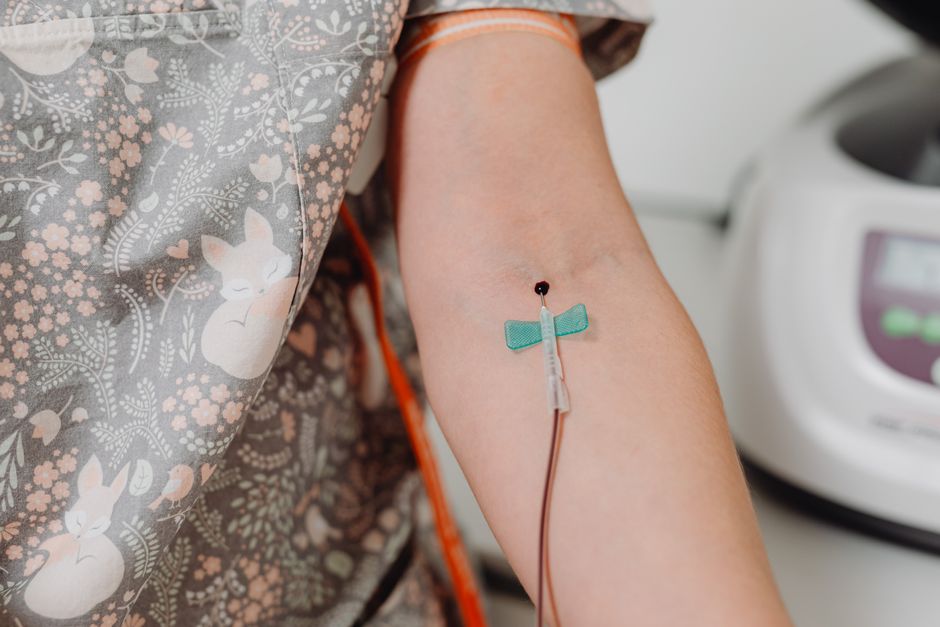
Most people feel a sharp pinch when a needle enters their arm, and some feel pain that lingers after the bandage goes on. That discomfort is normal, but it is not random. Blood draws hurt for specific reasons, and most of that pain is preventable or manageable. The needle size matters, your hydration status matters, and your anxiety level matters more than most people realize. Understanding why the pain happens is the first step to making your next blood draw easier.
Why Does a Blood Draw Hurt in the First Place?
The pain you feel during a blood draw comes from two distinct sources. The first is the needle piercing your skin. The skin on your inner elbow is thin and packed with nerve endings. When the needle breaks through, those nerves send a sharp, brief pain signal to your brain. This part usually lasts only a second or two.
The second source of pain is deeper. The needle has to enter a vein, and veins have their own nerve supply. When the needle touches the vein wall, you may feel a dull ache or pressure. This is different from the sharp sting of the skin puncture. Some people feel this deep ache more intensely than others, and it can last for several seconds while the technician adjusts the needle position.
There is also a third factor that has nothing to do with the needle itself. Your body’s stress response can amplify pain. When you are anxious about the draw, your muscles tense up. Tensed muscles make it harder to find the vein and harder to insert the needle smoothly. A tense arm also makes the vein more likely to roll or collapse, which means the technician may need to reposition the needle. That repositioning causes more pain than the initial stick ever did.
Why Do Some Blood Draws Hurt More Than Others?
Not all blood draws are equal. Several factors can turn a routine draw into a painful experience. The most common culprit is dehydration. When you are dehydrated, your blood volume drops and your veins become smaller and flatter. Smaller veins are harder to hit, and a needle that misses or passes through the vein causes significant pain and bruising.
Your vein size and depth also play a role. Some people have deep veins that are hard to see and feel. The technician has to rely on touch rather than sight, which increases the chance of multiple needle sticks. Multiple sticks mean multiple pain signals, and each failed attempt makes the next one more painful because the tissue becomes irritated.
Needle size matters too. Blood draws typically use a needle between 21 and 23 gauge. The lower the gauge number, the wider the needle. A 21-gauge needle is wider than a 23-gauge needle. Wider needles allow blood to flow faster, which is helpful for certain tests, but they cause more tissue damage and more pain. Some facilities use butterfly needles, which are smaller and often less painful, but they are not always appropriate for every test.
What Actually Helps Before the Needle Goes In?
Preparation starts long before you sit in the chair. Hydration is the single most effective thing you can do. Drinking plenty of water in the 24 hours before your draw makes your veins fuller and easier to access. Full veins are easier to hit on the first try, and a clean single stick is always less painful than multiple attempts.
Warmth is another powerful tool. Warmth dilates your veins, making them larger and more visible. You can run warm water over your arms for a few minutes before the draw, or ask for a warm pack to hold against your arm while you wait. Some clinics have warm packs available, but you can also bring your own. Do not use a heating pad that is so hot it burns your skin. Warm, not hot, is the goal.
Your body position matters as well. Sitting with your arm fully extended and supported on a flat surface gives the technician the best access. If your arm is bent or unsupported, your muscles have to work to hold it in place, and that tension makes the draw harder. Let your arm go completely limp. Relaxed muscles make the needle insertion smoother and less painful.

What Helps During the Blood Draw Itself?
Distraction is a legitimate pain management tool. Research shows that focusing your attention away from the needle reduces perceived pain. You can look away, count backward from 100, or have a conversation with the technician. Some people find that squeezing a stress ball in the opposite hand helps, because the pressure gives your brain something else to process.
Breathing technique matters more than most people expect. Slow, deep breaths activate your parasympathetic nervous system, which counteracts the fight-or-flight response. Hold your breath when the needle goes in and you increase your anxiety and your pain. Instead, take a slow breath in through your nose, then exhale slowly through your mouth as the needle enters. This simple technique reduces muscle tension and can make the stick feel less sharp.
If you have a history of fainting during blood draws, tell the technician before they start. Fainting during a blood draw is a vasovagal response, where your blood pressure drops suddenly in response to the stress of the procedure. Lying down for the draw can prevent this. Most clinics will accommodate this request without question. Do not try to push through a fainting episode. It is not a matter of toughness, and passing out can cause injury.
Why Do Some People Have Bruising and Soreness Afterward?
Bruising after a blood draw is common and usually harmless. It happens when blood leaks from the vein into the surrounding tissue. This can occur if the needle passes through the vein entirely, if the technician has to reposition the needle, or if you do not apply enough pressure after the needle is removed. The size of the bruise does not necessarily correlate with the amount of pain you will feel, but a larger bruise can cause soreness for several days.
Pressure after the draw is the most important factor in preventing bruising. Keep firm pressure on the site for at least two to three minutes after the needle is removed. Do not bend your arm to hold the cotton ball in place. Bending your arm actually increases blood flow to the site and can make bruising worse. Keep your arm straight and press down firmly.
Some soreness after a blood draw is normal and can last for a day or two. This is usually from minor tissue trauma and will resolve on its own. If you experience severe pain, swelling, or redness that spreads, contact your healthcare provider. These symptoms can indicate a complication such as nerve irritation or infection, though both are rare.
Does Numbing Cream Actually Work for Blood Draws?
Numbing creams are available over the counter and by prescription. They contain local anesthetics like lidocaine or tetracaine that temporarily numb the skin. Applied correctly, they can eliminate the sharp sting of the needle breaking the skin. The deep ache from the needle entering the vein is not fully blocked by these creams, because the anesthetic does not penetrate deeply enough to numb the vein wall.
The key limitation is timing. Most numbing creams need at least 20 to 30 minutes to work, and some need up to an hour. You cannot apply the cream in the waiting room and expect it to be effective. You need to apply it at home before you leave for your appointment. If you are interested in this option, ask your healthcare provider which product they recommend and how long before the draw you should apply it.
Numbing creams are not a substitute for hydration and relaxation. They address the skin-level pain but do nothing for the deeper discomfort or the anxiety that amplifies pain. They are a useful tool for people with needle phobia or very sensitive skin, but they are not a magic solution.
When Should You Be Concerned About Pain After a Blood Draw?
Most post-draw pain resolves within a day or two. If your pain gets worse instead of better, or if it lasts longer than a few days, that is worth a call to your doctor. Severe pain that radiates down your arm or into your hand could indicate nerve irritation, which is rare but requires medical attention.
Signs of infection include increasing redness, warmth, swelling, or discharge at the puncture site. A fever after a blood draw is also a reason to seek medical care. These complications are uncommon, but they happen, and they are treatable when caught early.
If you have a bleeding disorder or take blood-thinning medication, tell the technician before the draw. You may need to hold pressure on the site for longer than the standard two to three minutes, and you may be more prone to bruising. This does not mean you cannot have blood drawn, but it does mean you need to take extra precautions.
Frequently Asked Questions
Does drinking water before a blood draw actually help?
Yes, drinking water in the hours before your draw makes your veins fuller and easier to access. Well-hydrated veins are more likely to be hit on the first attempt, which means less pain overall.
Why do I feel dizzy or faint during blood draws?
This is a vasovagal response, where your blood pressure and heart rate drop suddenly in response to the stress of the procedure. Lying down during the draw and telling the technician about your history can prevent this reaction.
How long should I hold pressure on the site after the needle comes out?
Hold firm pressure for at least two to three minutes with your arm straight. Bending your arm while pressing actually increases blood flow to the site and can make bruising worse.
Can I ask for a butterfly needle to reduce pain?
You can ask, but the choice depends on the test being performed and the size of your veins. Butterfly needles are smaller and often less painful, but some tests require a larger needle to collect enough blood.
