
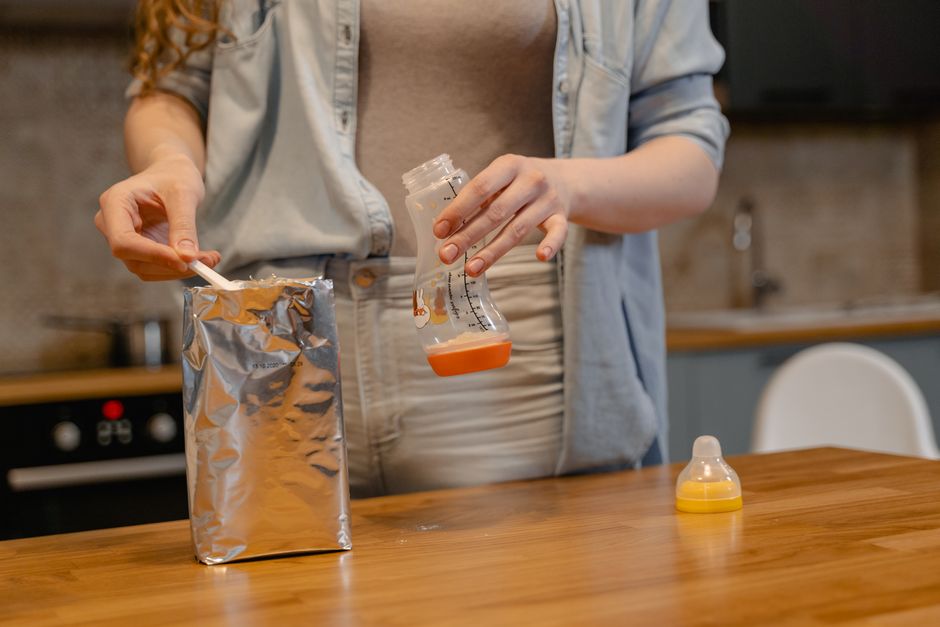
If you have ever mixed a bottle, tasted a drop, and recoiled, you are not imagining things. Infant formula genuinely does not taste like breast milk or like anything most adults would choose to drink. The main reasons are the iron and trace minerals added for nutrition, the proteins and fats used as base ingredients, and the fact that formula is designed for an infant’s developing palate, not an adult’s. You cannot change the formula itself, but you can fix the two things that most often make a bottle taste worse than it needs to: how it is mixed and how it is stored.
Why Baby Formula Tastes Bad And How To Fix It?
The taste comes from the ingredients that make formula nutritionally complete. Formula has to stand in for breast milk or serve as the sole food for a growing infant, so it is fortified with vitamins and minerals. Several of those added nutrients have flavors adults find metallic or bitter.
Iron is the clearest example. Iron salts used in fortification have a distinctly metallic taste, and iron is one of the nutrients formula must contain in reliable amounts. Some formulas also contain added choline, which has a fishy or bitter note, and docosahexaenoic acid (DHA), an omega-3 fatty acid often sourced from algae or fish oil that carries its own aroma and flavor.
The base ingredients matter too. Cow’s milk-based formulas start from milk proteins and lactose, but the processing and the added minerals change the flavor profile compared with plain milk. Soy-based formulas tend to taste more bitter and beany. Hydrolyzed formulas, made for babies who cannot tolerate intact proteins, are broken into smaller protein fragments, and that breakdown process produces a notably bitter, sometimes sulfurous taste. Many parents describe hydrolyzed formula as the worst-tasting of all.
Here is the part that surprises people. A newborn’s sense of taste is not the same as yours. Infants have more taste buds than adults and a stronger preference for sweet and umami flavors, which is one reason breast milk — naturally sweet — appeals to them. Formula manufacturers are not trying to make a product adults enjoy. They are trying to make one that meets nutritional standards and that most babies will accept. Those are different goals, and the result often tastes unpleasant to a grown-up tongue.
Does Formula Taste Bad to Babies, or Just to Adults?
Most babies accept formula without complaint, which tells you the taste is not the problem parents assume it is. A baby who has only ever had formula has no comparison. The flavor is simply what food tastes like to them.
Trouble tends to appear when a baby switches from breast milk to formula, or from one formula to another. Breast milk is sweeter and changes flavor slightly depending on what the mother eats, so it offers variety. A baby used to that may resist a new, more metallic or bitter taste at first. This is a preference issue, not a sign that something is wrong with the formula.
Some babies are genuinely more sensitive to bitter flavors than others. Taste sensitivity varies between individuals, and some infants notice the difference more. If a baby consistently refuses a formula that is otherwise appropriate, that is worth raising with a pediatrician rather than assuming the baby is just being difficult.
What Actually Makes a Bottle Taste Worse
Before blaming the formula, rule out the preparation and storage problems that make a bottle taste worse than it should.
- Water quality. If your tap water has a strong chlorine, sulfur, or mineral taste, that carries straight into the bottle. Using filtered or bottled water can help, as long as it is safe and appropriately fluoridated or not, depending on your local supply.
- Improper mixing. Formula that is too concentrated tastes stronger and saltier. Always follow the exact water-to-powder ratio on the container. Never pack the scoop or add extra powder.
- Old or improperly stored formula. Powdered formula absorbs moisture and can take on stale or off flavors. Keep containers sealed, store them in a cool dry place, and check expiration dates.
- Leftover bottles. Formula that sits at room temperature or has been partially drunk and then reheated can develop a sour or metallic taste and, more importantly, becomes a food safety risk.
- Warming method. Overheating formula can alter its taste and destroy some heat-sensitive nutrients. Warm gently and never microwave, which heats unevenly and can scald a baby.





Can You Make Formula Taste Better?
You can improve how a bottle tastes, but there are firm limits on what is safe to change. The safest adjustments are to water quality, mixing accuracy, and storage, not to the formula itself.
Do not add sugar, honey, syrup, salt, or flavoring to formula. Honey is unsafe for infants under one year because of the risk of infant botulism, and adding anything to formula can throw off its nutritional balance or make a baby sick. Never dilute formula to make it taste milder. Diluting reduces the calories and electrolytes a baby needs and can lead to serious problems, including water intoxication in infants.
If a baby refuses one formula, some parents try a different brand or type. That is reasonable to discuss with a pediatrician, but formula switching should not be done casually, especially for babies on specialized formulas prescribed for allergies, reflux, or metabolic conditions. Those formulas exist for medical reasons, and changing them without guidance can cause harm.
Warming a bottle to body temperature can make it more appealing to some babies, since it is closer to breast milk. This is a comfort measure, not a fix for a flavor problem, and it does not change the underlying taste.
How to Store and Prepare Formula So It Tastes Fresh
Freshness is the one variable parents control most directly, and it affects taste as much as safety.
Mix only what you need for the feeding when possible. Powdered formula that has been mixed and left out is a breeding ground for bacteria, and it also tastes worse as it sits. Formula that has been at room temperature for more than a short window, or that a baby has already started drinking, should be discarded rather than saved.
Store unopened and opened powder as directed on the label. Most powdered formulas should be used within a set period after opening, so write the date on the container. Keep it dry. A humid kitchen or a container left open lets moisture in, and moisture degrades both taste and safety.
If you prepare bottles ahead of time, refrigerate them promptly and use them within the time frame the manufacturer specifies. Do not freeze formula. Freezing can separate the ingredients and change the texture and taste.
When a Bad-Tasting Formula Is a Real Problem
A bad taste is usually just a bad taste. But refusal to feed, gagging, or vomiting after a bottle can point to something more than flavor.
Some babies have cow’s milk protein allergy or another intolerance, and their reaction to a formula is a medical issue, not a picky palate. Signs can include blood in the stool, persistent diarrhea, eczema flare-ups, or poor weight gain. These need a pediatrician’s evaluation. Do not diagnose an allergy yourself and do not switch to a specialized formula without medical guidance.
If a baby is feeding well, gaining weight, and having normal diapers, the taste of the formula is not a health concern. It is only a problem for the adult tasting it.
One clarification worth making: formula is not supposed to taste good to you. Judging it by your own palate leads parents to make changes that are unnecessary and sometimes unsafe. The right question is not whether you like it, but whether your baby is thriving on it.
Frequently Asked Questions
Why does baby formula taste metallic?
Added iron and other fortifying minerals give formula a metallic taste that adults notice. These nutrients are required for infant nutrition, so the taste is a side effect of what makes formula complete.
Is it safe to add sugar or flavoring to make formula taste better?
No. Adding sugar, honey, salt, or flavoring can unbalance the formula or harm a baby, and honey is unsafe for infants under one year. Only change water quality, mixing accuracy, or storage.
Does breast milk taste better than formula?
Breast milk is naturally sweeter, and its flavor shifts slightly with the mother’s diet. Formula tastes more metallic and bitter because of added minerals and its base ingredients.
Can I dilute formula to make it taste milder?
No. Diluting formula reduces the calories and electrolytes a baby needs and can cause serious harm, including water intoxication. Always follow the exact ratio on the label.
