
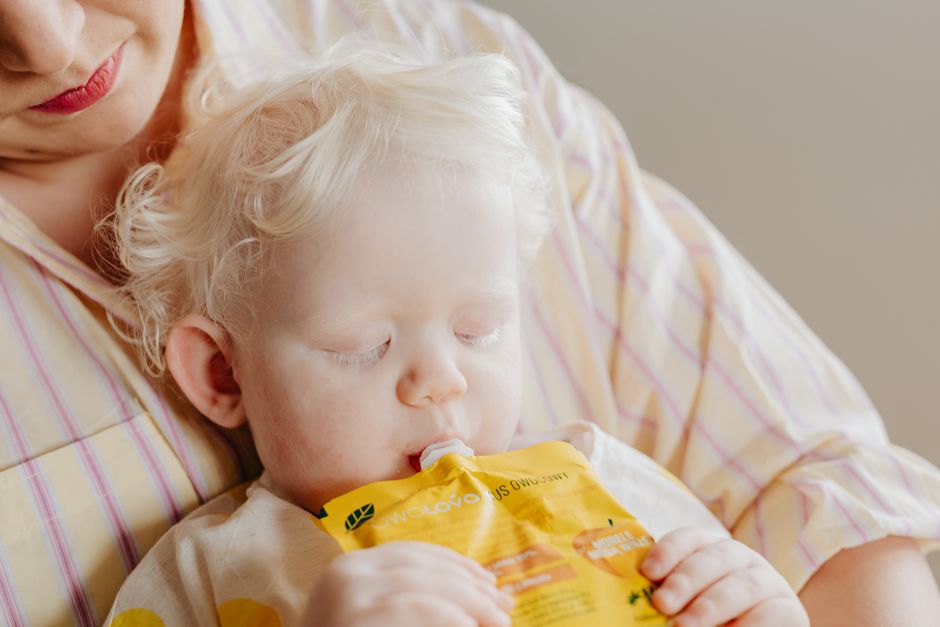
Heavy metals in baby food are not a sign of tampering or a single bad brand. They come from soil, water, and the environment, and they end up in the crops that become baby food. The main metals of concern are lead, arsenic, cadmium, and mercury. You cannot remove them from food at home, but you can lower your baby’s exposure by varying grains, limiting certain foods, and serving a wide mix of ingredients.
Why Baby Food Contains Heavy Metals And What To Do?
Root crops and grains pull metals from the ground as they grow. Rice is the clearest example. It takes up more arsenic from soil and water than most other crops, and that arsenic ends up in rice-based baby cereal and snacks.
This is a farming and geology problem, not a safety failure at the factory. The same metals appear in the fresh produce adults eat. The difference is that babies are small, their brains are still developing, and they eat a limited diet. A small amount of a metal matters more to a 15-pound infant than to an adult.
Testing by consumer groups and government agencies has found measurable levels of these metals in many baby foods over the years. That does not mean every jar is dangerous. It means the levels are not zero, and reducing exposure is worth doing.
How Do Heavy Metals Get Into Baby Food?
The path is mostly soil to plant to jar. Arsenic occurs naturally in rock and soil, and it has also built up in some farmland from past use of certain pesticides. Lead is widespread in the environment from old paint, gasoline that was used for decades, and industrial emissions. Cadmium collects in soil and is taken up by plants. Mercury mainly enters the food chain through fish.
Plants absorb these metals through their roots. Some crops take up more than others. Rice, leafy greens, root vegetables like sweet potatoes and carrots, and some fruits can carry measurable amounts. The metal does not wash off, and cooking does not remove it.
Processing concentrates whatever was in the crop. When you cook down a large amount of a vegetable into a small jar, the metal that was in the whole vegetable stays in that jar. This is why single-ingredient baby foods made from a concentrated crop can show higher levels than the raw ingredient.
Which Baby Foods Tend to Have the Most Heavy Metals?
Rice-based products are the biggest single source of arsenic in a baby’s diet. Infant rice cereal has historically been one of the higher-arsenic foods. Rice snacks, rice puffs, and rice drinks add to that load.
Other foods that testing has flagged include:
- Rice cereal, rice puffs, and rice-based teething crackers
- Sweet potato and carrot purees, which can carry cadmium and lead
- Spinach and other leafy green purees
- Some fruit juices, especially apple and grape juice, which can concentrate arsenic and lead
- Certain fish, which can carry mercury
One clarification worth knowing: the concern is not that these foods are unsafe for everyone. It is that a baby eating the same high-metal food every day builds up exposure. Variety is what spreads the risk out.
Is Rice Cereal Safe for Babies?
Rice cereal is not the only first food, and it does not need to be the default. For years it was the standard starter food, but that advice has shifted. Many pediatric health organizations now suggest offering a range of grains and foods rather than relying on rice cereal alone.
If you do use rice cereal, you can reduce arsenic exposure by choosing a different grain much of the time. Oatmeal, barley, and multigrain cereals are widely available and test lower for arsenic. When rice is served, cooking it in a large pot of water and draining the extra water can lower arsenic levels somewhat, though it does not remove all of it.
Rice drinks are a separate concern. They are not a substitute for breast milk or formula, and they should not replace dairy or fortified alternatives for young children. No clinical guidelines support using rice milk as a primary drink for infants.
What Can Parents Do to Lower Exposure?
You cannot make baby food metal-free, but you can lower the total load. The most effective steps involve variety and limits on the highest-metal foods.
Serve a rotating mix of grains. Instead of rice every day, alternate with oats, barley, wheat, and other cereals. The same idea applies to vegetables. Do not feed the same sweet potato or spinach puree at every meal. Mix in peas, squash, green beans, and other options.
Limit rice-based snacks and rice drinks. Rice puffs and rice crackers are easy finger foods, but they can add up. Keep them occasional rather than daily.
Be careful with juice. Fruit juice is not recommended for infants under 12 months, and for older children it should be limited. Whole fruit is a better choice and carries less concentrated metal.
Choose fish wisely. Fish is a valuable source of nutrients, but some species carry more mercury than others. Low-mercury options like salmon, shrimp, and canned light tuna are generally recommended, while shark, swordfish, king mackerel, and tilefish are best avoided for young children.
You can also make some baby food at home from a variety of fresh ingredients. This gives you control over what goes in, though it does not remove metals from the produce. Home cooking is not automatically lower in metals, but it does let you vary the diet more easily.
Should You Worry About Lead and Arsenic in Baby Food?
The evidence supports taking reasonable steps, not panic. There is no known safe level of lead exposure for a developing brain. That is a well-established position in public health. Arsenic exposure in early life is also linked to developmental concerns in research.
At the same time, the levels found in most baby foods are low. The goal is to reduce cumulative exposure over time, not to eliminate every trace. A varied diet does that job well.
If you are concerned about your child’s specific exposure, talk to your pediatrician. Blood lead testing is available, and your doctor can tell you whether your child’s risk warrants it based on where you live and other factors.
What Are Regulators Doing About Heavy Metals in Baby Food?
Regulation has been moving, but it is not uniform. In the United States, the Food and Drug Administration has set action levels for arsenic in infant rice cereal and for lead in some foods, and it has been working on broader guidance for heavy metals in foods for babies and young children.
Action levels are not the same as a ban. They set a threshold above which regulators may act, but they do not require zero. Some consumer groups have argued the levels should be lower. The science on what level is truly safe for infants is still developing, and no agency claims to have a definitive answer.
The practical takeaway is that regulation reduces the worst cases but does not remove metals from food. Your choices at home still matter.
Does Making Baby Food at Home Help?
Homemade baby food gives you control over ingredients and variety, which is a real benefit. It does not remove metals from the produce you start with. A sweet potato grown in metal-rich soil carries the same metals whether you puree it yourself or buy it in a jar.
What home preparation does allow is easier rotation. You can mix grains and vegetables more freely and avoid leaning on one high-metal food. That variety is the main lever you have.
If you make your own food, wash produce well to remove dirt, which can carry metals. Peeling root vegetables can reduce some surface contamination, though metals absorbed into the plant remain.
Frequently Asked Questions
Is it safe to give my baby rice cereal?
Rice cereal is not unsafe, but it is a notable source of arsenic, so it is best not to rely on it daily. Rotating with oat, barley, and multigrain cereals lowers exposure.
Can I remove heavy metals from baby food by washing or cooking it?
No, washing and cooking do not remove metals that the plant absorbed while growing. Rinsing rice and cooking it in extra water can lower arsenic somewhat, but it does not eliminate it.
Which baby foods should I limit?
Rice-based cereals and snacks, frequent sweet potato and spinach purees, and fruit juice are the main ones to limit. Serving a varied mix of grains and vegetables is the practical approach.
Should my baby be tested for lead?
Testing depends on your child’s risk factors, such as age, where you live, and possible exposure at home. Ask your pediatrician whether a blood lead test is recommended for your child.
