
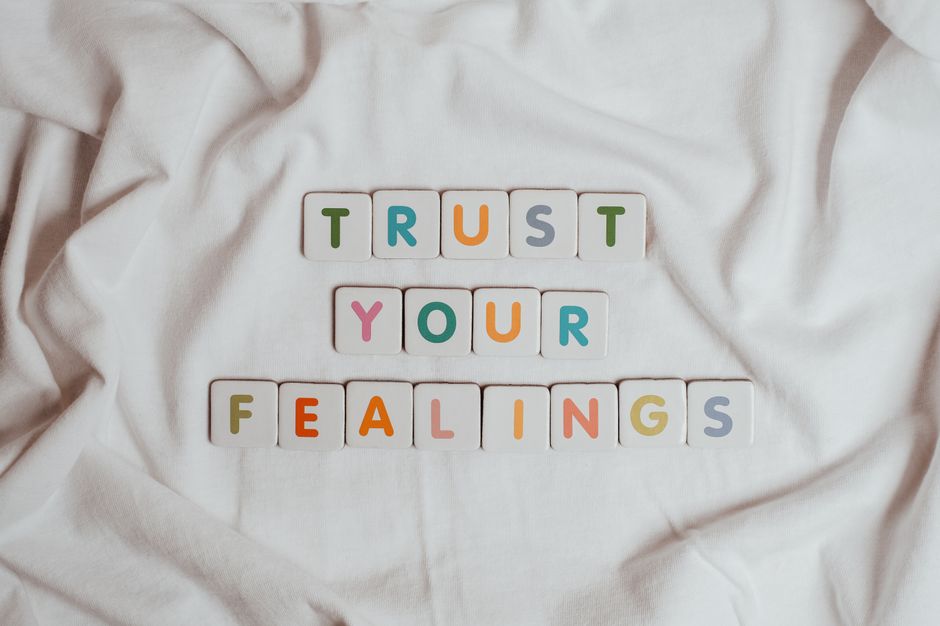
Feeling more emotional than usual is a common human experience, and it usually has a physical or psychological cause. Emotions are the output of brain circuits that respond to hormones, sleep, stress, blood sugar, and life events. When something in that system shifts, your emotional reactions can shift with it. The most common root causes are hormonal changes, poor or disrupted sleep, chronic stress, mood conditions like depression or anxiety, and major life transitions such as grief, perimenopause, or a new baby.
This is not a sign of weakness. It is a signal worth understanding.
Why Are You So Emotional Lately?
Your emotions are regulated by a network of brain regions that work with your endocrine system. The amygdala flags emotional significance. The prefrontal cortex helps put the brakes on reactions. Hormones like cortisol, estrogen, testosterone, and thyroid hormone all influence how sensitive that system is. When any of these inputs change, the threshold for emotional response can drop.
That is why the same person can feel steady one month and tearful the next without any change in character. The cause is usually in the body or the circumstances, not in your personality.
Some of the most common drivers include:
- Hormonal shifts, including menstrual cycle phases, perimenopause, and the postpartum period
- Sleep loss or poor sleep quality
- Ongoing stress or a recent stressful event
- Depression or anxiety
- Grief, relationship strain, or major life change
- Some medical conditions, including thyroid problems
- Side effects of certain medications
The rest of this article explains how each of these affects emotional regulation, and what the evidence actually shows.
How Do Hormones Affect Your Emotions?
Hormones directly influence the brain regions that process emotion. Estrogen and progesterone fluctuate across the menstrual cycle and shift dramatically during perimenopause and after childbirth. Testosterone affects mood in both men and women, though the relationship is complex and not fully understood. Cortisol, the body’s main stress hormone, rises during chronic stress and can affect sleep, energy, and emotional stability.
Thyroid hormone matters more than most people realize. Both an underactive thyroid (hypothyroidism) and an overactive thyroid (hyperthyroidism) can cause irritability, anxiety, low mood, and difficulty concentrating. These symptoms are often mistaken for a purely psychological problem. A simple blood test can check thyroid function, which is why clinicians commonly order one when mood symptoms appear alongside fatigue, weight change, or temperature sensitivity.
One point worth clarifying: estrogen does not simply “cause mood swings.” Its effects vary by person, by cycle phase, and by whether levels are rising or falling. Some women notice strong mood changes premenstrually. Others notice very little. The evidence supports a real hormonal influence on mood, but the size and pattern of that influence differs widely between individuals.
Why Does Perimenopause Make Emotions Feel Unpredictable?
Perimenopause is the transition leading up to menopause, and it is a common time for emotional changes. Estrogen levels do not decline smoothly. They rise and fall unpredictably over months or years before settling at a lower level. That irregularity, rather than the final low level, is thought to explain much of the mood instability some women experience.
Sleep disruption is a major contributor. Hot flashes and night sweats interrupt sleep, and poor sleep on its own worsens mood and emotional control. So the emotional effects of perimenopause are often a combination of hormonal fluctuation and sleep loss, not one or the other.
It is also worth separating perimenopausal mood changes from clinical depression. Low mood, loss of interest, and persistent sadness that lasts weeks are not just “hormones.” They deserve proper assessment. Depression is treatable, and it is more common during this transition than many women expect.
Can Sleep Loss Really Make You More Emotional?
Yes, and the effect is well documented. Sleep deprivation makes the amygdala more reactive to emotional stimuli and weakens the prefrontal cortex’s ability to regulate that reaction. Brain imaging studies have shown this pattern consistently. In practical terms, a night of poor sleep can make you more irritable, more tearful, and less able to keep reactions in check.
This is not a minor effect. Even modest sleep restriction can measurably change emotional responses. For people already dealing with stress or hormonal shifts, poor sleep can amplify everything else.
Common causes of disrupted sleep include:
- Stress and racing thoughts at bedtime
- Shift work or irregular schedules
- Sleep apnea, which is often undiagnosed
- Night sweats and hormonal changes
- Alcohol, which fragments sleep even though it can feel sedating at first
- Caffeine late in the day
If you are waking unrefreshed most days, or your partner notices you snore heavily or stop breathing in sleep, it is worth mentioning to a clinician. Sleep apnea is a real medical condition, not just a bad habit.
What Role Does Stress Play in Emotional Sensitivity?
Chronic stress keeps the body’s stress response switched on. Cortisol stays elevated, sleep quality drops, and the brain becomes more reactive to minor triggers. Over time, this can make everyday frustrations feel disproportionate.
Stress also affects mood indirectly. It disrupts sleep, reduces physical activity, and can lead to social withdrawal. Each of those changes can worsen emotional regulation on its own.
The relationship between stress and mood is well established. What varies is how much stress a given person can carry before emotional symptoms appear. That threshold is different for everyone and depends on sleep, support, health, and past experience.
When Is Emotional Change a Sign of Depression or Anxiety?
Occasional emotional ups and downs are normal. Depression and anxiety are different. They involve persistent changes that last for weeks and interfere with daily life.
Signs that point toward depression include:
- Low mood or sadness most of the day, nearly every day, for at least two weeks
- Loss of interest in activities you used to enjoy
- Changes in appetite or weight
- Sleeping too much or too little
- Fatigue or low energy
- Difficulty concentrating or making decisions
- Feelings of worthlessness or guilt
Anxiety can show up as constant worry, restlessness, muscle tension, a racing heart, or difficulty relaxing. These symptoms are real and treatable. They are not a character flaw.
If you have thoughts of harming yourself, that is a medical emergency. In the US, you can call or text 988 to reach the Suicide and Crisis Lifeline at any time.
Could a Medical Condition Be Behind Your Emotions?
Several physical conditions can cause emotional symptoms that look psychological. This is why a medical assessment matters, especially when mood changes appear suddenly or come with physical signs.
Conditions worth knowing about include:
- Thyroid disorders — both overactive and underactive thyroid can affect mood, anxiety, and energy
- Anemia — low iron can cause fatigue and low mood
- Vitamin B12 deficiency — can cause irritability, low mood, and cognitive changes
- Diabetes and blood sugar swings — can affect mood and energy
- Chronic pain conditions — strongly linked to low mood and irritability
- Medication side effects — some drugs, including certain steroids, hormonal treatments, and blood pressure medications, can affect mood
This list is not exhaustive. The point is that emotional changes are sometimes the first noticeable sign of a physical problem, and a clinician can help sort out which is which.
What About Grief and Major Life Changes?
Not all emotional intensity is a medical issue. Grief after a loss, the end of a relationship, job loss, caregiving stress, or a major move can all produce strong and lasting emotions. That is a normal response to difficult circumstances, not a disorder.
Grief in particular can come in waves. It can feel manageable one day and overwhelming the next. That pattern is well recognized and does not mean something is wrong with you.
That said, grief can become depression. If sadness persists without relief, if you feel unable to function, or if it does not ease over time, it is worth talking to a professional. There is no fixed timeline that applies to everyone.
What Helps When Emotions Feel Out of Control?
The right approach depends on the cause, which is why understanding the root matters. For some people, improving sleep makes a noticeable difference within weeks. For others, treating an underlying thyroid problem or adjusting a medication is the key. For depression or anxiety, therapy and medication are well-supported treatments with substantial evidence behind them.
General steps that support emotional regulation include:
- Protecting sleep with a consistent schedule and a dark, cool room
- Regular physical activity, which has consistent evidence for improving mood
- Reducing alcohol, which disrupts sleep and can worsen mood
- Talking to someone you trust, or a therapist if symptoms persist
- Getting a medical check if symptoms are new, sudden, or come with physical changes
No single step works for everyone. What matters is matching the response to the actual cause rather than guessing.
One clarification worth making: crying more easily is not automatically a sign of a problem. Some people are naturally more emotionally expressive, and that is a stable trait, not a disorder. The question to ask is whether something has changed recently. A shift from your usual baseline is more informative than the intensity of emotion alone.
Frequently Asked Questions
Why am I suddenly so emotional for no reason?
There is usually a reason, even if it is not obvious. Common hidden causes include poor sleep, hormonal shifts, ongoing stress, or an underlying thyroid problem.
Can hormones make you cry more easily?
Yes. Estrogen and progesterone fluctuations, especially around the menstrual cycle and during perimenopause, can lower the threshold for emotional reactions in some people. The effect varies widely between individuals.
How do I know if my emotions are from depression or just stress?
Depression involves persistent low mood or loss of interest for at least two weeks, along with changes in sleep, appetite, or energy that interfere with daily life. Stress-related emotions usually ease when the stressor does.
When should I see a doctor about feeling emotional?
See a clinician if emotional changes are new, sudden, or severe, if they last more than a few weeks, or if they come with physical symptoms like fatigue, weight change, or sleep problems. Thoughts of self-harm require immediate help.
