
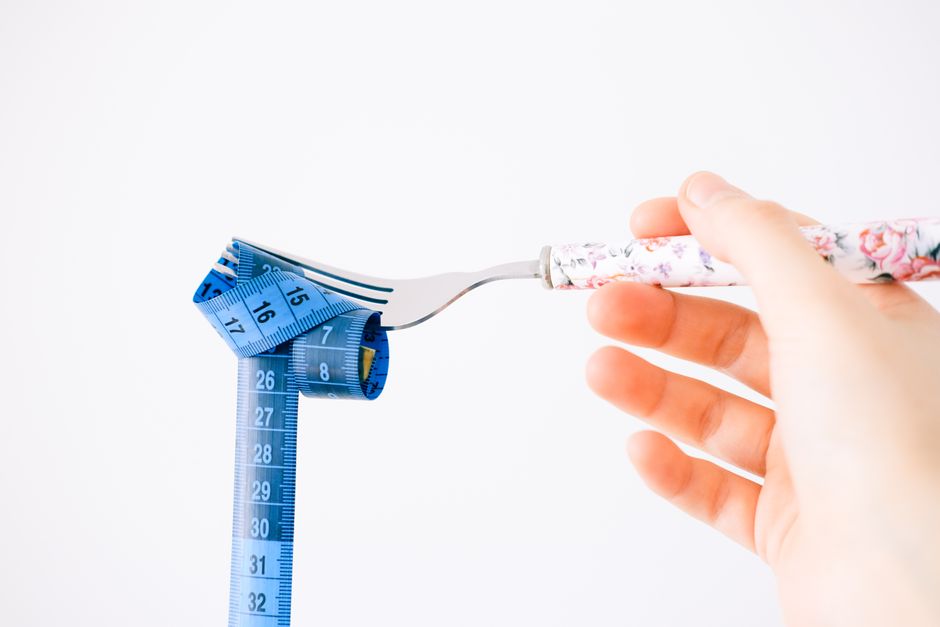
If the scale has not moved in weeks despite eating less, you are not imagining it, and you are not necessarily doing anything wrong. A calorie deficit is the basic requirement for weight loss, but it is not a guarantee of it. Bodies adjust. Metabolism shifts, hormones change, water retention masks fat loss, and the number you think you are eating is often not the number you are actually eating. Any one of these can hold the scale steady even when the math says it should be falling.
Why Are You Not Losing Weight In A Calorie Deficit?
The most common reason is that the deficit is smaller than you think. Research consistently shows that people underreport how much they eat, often by a meaningful margin, and overestimate how many calories they burn through exercise and daily movement.
Beyond that, the body actively resists weight loss. When you eat less, several systems respond: total energy expenditure drops, hunger hormones rise, and the body becomes more efficient at the same tasks. This is not a failure of willpower. It is a well-documented physiological response that has been observed in controlled feeding studies for decades.
There is also a measurement problem. Fat loss and weight loss are not the same thing. You can lose fat while retaining water, and the scale will show nothing. This is especially common in the first few weeks of a new diet or exercise routine, and it is temporary.
Is Your Calorie Deficit Actually a Deficit?
Most people who believe they are in a deficit are not, at least not consistently. This is not an insult. It is one of the most replicated findings in nutrition research.
Self-reported food intake tends to underestimate actual intake. Portion sizes get eyeballed. Cooking oils, sauces, dressings, and bites while preparing food go uncounted. Weekend eating is often forgotten entirely when people think about their “typical” week.
Exercise calories are the other half of the problem. Fitness trackers and gym machines tend to overestimate calories burned. A workout that a device says burned 500 calories may have burned considerably less. Eating back those calories can erase a deficit without you realizing it.
A practical starting point is to track everything — including drinks, oils, and small bites — for a week or two without changing anything. Most people find the gap between what they thought they ate and what they actually ate is where the answer lives.
How Does Metabolic Adaptation Slow Weight Loss?
When you lose weight, your body burns fewer calories at rest. Some of this is simple physics: a smaller body requires less energy. But part of it goes beyond that.
Resting metabolic rate falls during weight loss, and it can fall slightly more than the loss of tissue alone would predict. This is called metabolic adaptation, sometimes described as adaptive thermogenesis. It has been documented in controlled studies, including research on participants of prolonged weight-loss programs.
Two other things happen at the same time:
- Non-exercise activity thermogenesis drops. You fidget less, move less, and take fewer steps without noticing.
- The thermic effect of food falls, because you are eating less food to digest.
The result is that the same diet that produced weight loss in month one may produce none by month three. This is normal and expected. It does not mean your metabolism is “broken.” It means the deficit has narrowed and needs to be reassessed.
Can Water Retention Hide Fat Loss?
Yes, and this is one of the most underappreciated reasons the scale stalls. Fat loss can be happening while total body weight stays flat because water is replacing it.
Several things cause temporary water retention:
- Starting a new exercise program, especially strength training, which causes muscle inflammation and fluid retention for days to weeks
- High sodium intake, which shifts fluid balance
- Menstrual cycle fluctuations, which can add several pounds of water weight in the days before a period
- Stress and poor sleep, both of which affect cortisol and fluid regulation
- Constipation, which simply means the scale is weighing food still in your system
This is why scale weight can be flat or even up while body fat is genuinely decreasing. Measurements, photos, and how clothes fit often tell a more accurate story over a two to four week window than any single weigh-in.
What Medical Conditions Can Block Weight Loss?
Some people are in a genuine deficit and still do not lose weight because of an underlying condition. This is less common than the calorie-tracking explanations above, but it is real.
Hypothyroidism is the most frequently discussed. When the thyroid does not produce enough hormone, metabolic rate drops. However, mild or subclinical thyroid changes rarely explain a complete stall on their own, and this is an area where the evidence is more nuanced than many online sources suggest.
Polycystic ovary syndrome (PCOS) can make weight loss harder through insulin resistance and hormonal effects. Cushing’s syndrome, a rare disorder of excess cortisol, causes weight gain and makes loss difficult, but it comes with other distinctive signs.
Certain medications are a more common culprit than most people realize. Some antidepressants, antipsychotics, steroids, and diabetes medications are associated with weight gain or difficulty losing weight. This is a conversation to have with a prescribing clinician, not a reason to stop a medication on your own.
If you have consistently tracked your intake, maintained a real deficit for several weeks, and seen no change at all — alongside symptoms like fatigue, hair changes, or cold intolerance — it is reasonable to ask a doctor about thyroid and metabolic testing.
Does Sleep and Stress Affect Weight Loss?
Short sleep and chronic stress make weight loss harder, and the evidence for this is reasonably strong. They do not block it entirely, but they work against you in several ways.
Insufficient sleep raises ghrelin, a hormone that increases hunger, and lowers leptin, which signals fullness. It also tends to increase cravings for calorie-dense foods and reduces the willpower available for sticking to a plan.
Elevated cortisol from ongoing stress can promote abdominal fat storage and increase appetite. None of this means sleep and stress are the whole story. But when someone is doing everything right on paper and still struggling, sleep and stress are worth examining honestly rather than dismissing.
How Long Should a Weight Loss Plateau Last?
A true plateau is not a few days of no change. Daily weight fluctuates by several pounds from water, food, and hormones alone. A stall worth investigating is generally two to four weeks of no downward trend, measured consistently.
If you have genuinely been in a deficit for that long with no change in weight, measurements, or how clothes fit, the most likely explanation is that your maintenance calories have dropped and your intake is now closer to maintenance than you think. The fix is usually to reassess intake, increase movement, or take a planned break at maintenance before resuming a deficit.
What does not help is cutting calories drastically. Very low intake accelerates muscle loss, worsens metabolic adaptation, and is difficult to sustain. It also tends to backfire, because the rebound after an extreme diet often erases the progress.
What Actually Helps When the Scale Won’t Move
The honest answer is that most stalls come down to measurement, not metabolism. Before assuming something is medically wrong, verify the inputs.
- Track food accurately for two weeks, including oils, drinks, and small bites
- Weigh yourself under the same conditions — same time of day, same scale — and look at the weekly average, not single days
- Stop eating back exercise calories unless you are doing genuinely high-volume training
- Check that protein intake is adequate, since protein helps preserve muscle during a deficit
- Review sleep and stress honestly
- Reassess your calorie target every few weeks as your weight changes
If all of that checks out and nothing moves, that is the point to involve a clinician. Not because something is definitely wrong, but because a small percentage of stalls do have a medical cause, and it is worth ruling out.
Frequently Asked Questions
Why am I not losing weight in a calorie deficit?
The most common reason is that the deficit is smaller than you think, because food intake is underreported and exercise calories are overestimated. Metabolic adaptation, water retention, and hormonal factors can also hold the scale steady even when fat loss is occurring.
Can you lose fat without losing weight?
Yes. Water retention, muscle gain, and food still in your digestive system can keep total body weight flat while body fat decreases. Measurements and how clothes fit often reveal fat loss the scale misses.
How long does a weight loss plateau usually last?
A plateau worth investigating is generally two to four weeks of no downward trend, since daily weight fluctuates by several pounds from water and hormones. Anything shorter is usually normal fluctuation, not a true stall.
Can a medical condition stop you from losing weight?
Yes, though it is less common than tracking errors. Hypothyroidism, PCOS, Cushing’s syndrome, and certain medications can make weight loss harder. If you have tracked accurately for several weeks with no change and have other symptoms, it is reasonable to ask a doctor about testing.
