
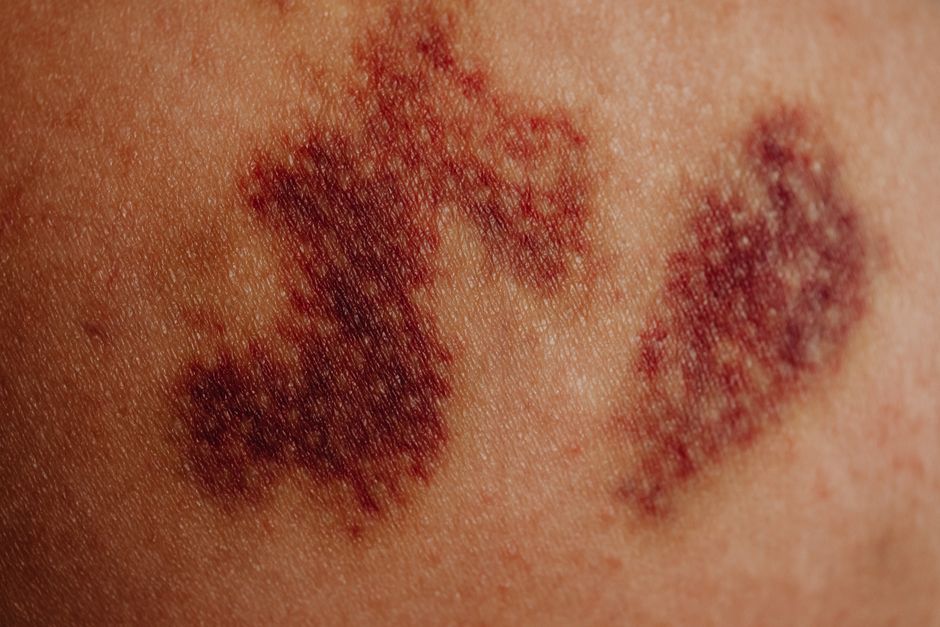
Seeing blood after a bowel movement is alarming. Most people assume the worst. But the reality is often less serious than you think. The most common causes of rectal bleeding are hemorrhoids and anal fissures. These two conditions account for the vast majority of cases. However, bleeding can also signal something more serious like inflammatory bowel disease or colorectal cancer. The color of the blood gives you the first clue. Bright red blood usually means the source is near the anus. Darker blood suggests the bleeding is higher up in the colon.
What Does the Color of the Blood Tell You?
The color of the blood is not a diagnosis. But it is a strong signal about where the bleeding is coming from. Blood that is bright red and coats the stool or appears on the toilet paper typically comes from the rectum or anus. This is called hematochezia. The most common causes here are hemorrhoids and anal fissures. The blood has not traveled far so it stays red.
Dark red or maroon blood mixed into the stool suggests the bleeding is higher in the colon. This can happen with diverticulosis or polyps. Black tarry stools called melena indicate bleeding in the upper gastrointestinal tract like the stomach or small intestine. The blood has been partially digested making it dark and sticky. If you see black stools you need medical attention quickly. Bright red blood is less urgent but still worth getting checked.
One important clarification: foods can change stool color. Beets turn stool red. Iron supplements and Pepto-Bismol can turn it black. Do not panic over a color change until you rule out food or medication. If you are unsure wait and see if it happens again.
Why Are You Bleeding Out Of Your Butt? The Most Common Causes
Hemorrhoids are the number one cause. These are swollen veins in the lower rectum or anus. They can be internal or external. Internal hemorrhoids are painless and often cause bright red blood on the toilet paper or dripping into the bowl. External hemorrhoids can cause pain and itching but bleeding is less common. The CDC reports that about 4.4% of adults in the US report hemorrhoid symptoms in any given year. The actual number is likely higher since many people do not mention it.
Anal fissures are the second most common cause. A fissure is a small tear in the lining of the anus. It usually happens when you pass a hard or large stool. The pain is often sharp and intense during and after a bowel movement. The blood is bright red and usually only a small amount. Fissures heal on their own in most people within a few weeks if you keep stools soft.
Diverticulosis is another common cause especially in people over 50. Small pouches form in the wall of the colon. They can bleed without warning. The bleeding is often painless and can be heavy. About 5% of people with diverticulosis will experience bleeding at some point according to research published in the American Journal of Gastroenterology. The bleeding usually stops on its own but can be severe enough to require a hospital visit.
When Should You Worry About Colorectal Cancer?
Colorectal cancer is the third most common cancer in the US according to the American Cancer Society. It causes about 50,000 deaths each year. Rectal bleeding is a symptom. But it is rarely the only symptom. Most people with colorectal cancer also have changes in bowel habits, unexplained weight loss, or persistent abdominal pain. The bleeding is often dark and mixed with the stool rather than bright red on the surface.
The risk of colorectal cancer increases with age. The American Cancer Society recommends screening starting at age 45 for people at average risk. If you have a family history of colon cancer or polyps you may need to start earlier. Bleeding alone is not a sign of cancer. But if you are over 45 and have not been screened, bleeding is a good reason to schedule a colonoscopy. It is better to find out it is a hemorrhoid than to assume it is nothing.
One study published in the New England Journal of Medicine found that only about 3% of people with rectal bleeding who are under 50 and have no other symptoms end up having colorectal cancer. The number rises with age and additional symptoms. This does not mean you should ignore bleeding. It means you should not assume the worst. Let a doctor make that call.




What Are the Other Possible Causes?
Inflammatory bowel disease includes Crohn’s disease and ulcerative colitis. Both cause inflammation in the digestive tract. Bleeding is more common with ulcerative colitis because it affects the colon directly. People with IBD usually have other symptoms like chronic diarrhea, abdominal cramping, and urgent bowel movements. The bleeding can be persistent and may require medication to control the inflammation.
Polyps are growths on the inner lining of the colon. Most polyps are benign. But some types can turn into cancer over time. Polyps often bleed without causing pain. This is one reason colonoscopy screening is so important. A polyp can be removed during the procedure before it ever becomes a problem. If you are over 45 and have never had a colonoscopy this is worth discussing with your doctor.
Anal fissures and hemorrhoids are often caused by constipation. Straining to pass hard stool puts pressure on the veins in the rectum and can tear the lining. If you have a history of constipation or irregular bowel habits you are more likely to experience bleeding from these causes. Increasing fiber and water intake is the most effective first step. The American Gastroenterological Association recommends 20 to 35 grams of fiber per day for adults.
| Cause | Blood Color | Pain | Typical Age Group |
|---|---|---|---|
| Hemorrhoids | Bright red | Often none or mild | Any age |
| Anal fissure | Bright red | Sharp during BM | Any age |
| Diverticulosis | Dark red or maroon | Usually none | Over 50 |
| Colorectal cancer | Dark or mixed | Often none early | Over 45 |
| Ulcerative colitis | Mixed with mucus | Cramping | 15 to 35 |
What Should You Do About Rectal Bleeding?
First, do not panic. Most causes are not emergencies. But you should take it seriously enough to figure out what is happening. Start by noting the color, amount, and frequency of the bleeding. Write down any other symptoms like pain, changes in bowel habits, or weight loss. This information helps your doctor narrow down the cause quickly.
If the bleeding is heavy, if you feel dizzy or lightheaded, or if you see large amounts of blood in the toilet, go to the emergency room. This could be a sign of significant blood loss. For small amounts of bright red blood that happen once or twice, you can make an appointment with your primary care doctor. They will likely do a physical exam and may refer you to a gastroenterologist.
A colonoscopy is the gold standard for diagnosing the cause of rectal bleeding. It allows the doctor to see the entire colon and take biopsies or remove polyps. The procedure is done under sedation and is not painful. Most people are back to normal the next day. If you are nervous about it, talk to your doctor. The discomfort of preparation is temporary. The peace of mind is worth it.
What to Avoid When You Have Rectal Bleeding
Do not assume it is hemorrhoids without checking. Many people brush off bleeding as just a hemorrhoid and delay getting screened. This is how early stage colon cancers get missed. If you are over 45 or have a family history, do not self-diagnose. Let a doctor confirm it.
Do not use over-the-counter hemorrhoid creams for more than a week without a diagnosis. These creams can mask symptoms and may irritate a fissure or skin tear. They are not a treatment for bleeding from higher up in the colon. If the bleeding continues after a week of home care, see a doctor.
Do not strain during bowel movements. This worsens hemorrhoids and fissures and can cause new bleeding. Use a stool softener or fiber supplement if needed. Do not ignore constipation. The longer you wait, the harder the stool becomes and the more damage it can do on the way out. Drink plenty of water and eat fruits, vegetables, and whole grains.
- Bright red blood on paper: likely hemorrhoid or fissure
- Dark blood mixed in stool: needs a colonoscopy
- Black tarry stool: go to the ER
- Bleeding with pain: could be fissure or IBD
- Bleeding with weight loss: see a doctor immediately
Frequently Asked Questions
Can stress cause rectal bleeding?
Stress does not directly cause bleeding but it can worsen constipation and digestive conditions like IBS that lead to straining and fissures.
How long does rectal bleeding from hemorrhoids last?
Most hemorrhoid bleeding stops within a few days once you soften your stools and avoid straining.
Is rectal bleeding always serious?
No, most cases are from hemorrhoids or fissures but any bleeding should be evaluated by a doctor to rule out serious causes.
When should I go to the ER for rectal bleeding?
Go to the ER if you see large amounts of blood, feel dizzy or faint, or have black tarry stools.
