
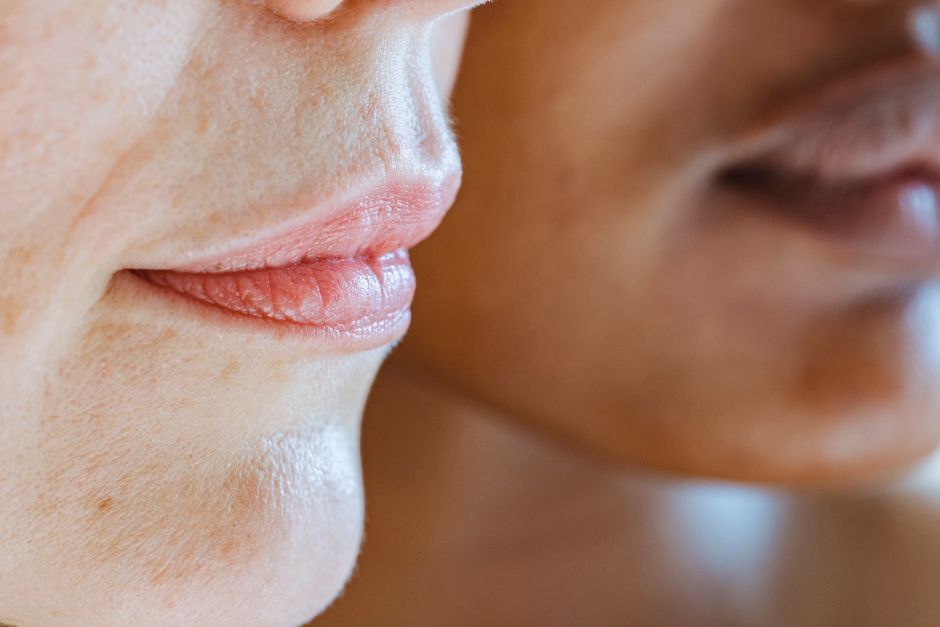
White spots on the skin usually come from a change in melanin, the pigment that gives skin its color. When melanin is lost, blocked, or never produced in a patch of skin, that area appears lighter than the skin around it. The most common cause is a harmless condition called pityriasis alba, but several other conditions can produce white patches, and some need a doctor’s attention.
Why Are White Spots Appearing On My Skin?
Melanin is made by cells called melanocytes. Anything that reduces melanin production, destroys melanocytes, or blocks pigment from reaching the skin surface will show up as a light or white patch. That is the shared mechanism behind nearly every cause on this list.
The conditions differ in what triggers them and how they look. Some are temporary and fade on their own. Others are long-lasting. A few are linked to autoimmune activity or to a fungal infection. The pattern, texture, and location of the spots usually point toward the cause.
One clarification that surprises many people: a white spot is not always a loss of pigment. Sometimes the skin is not lighter at all — it is normal skin sitting next to skin that has darkened. This happens after inflammation or injury and is called post-inflammatory hypopigmentation. The pale patch is the healthy skin. The surrounding area is the one that changed.
What Is Pityriasis Alba and Is It Serious?
Pityriasis alba is the most common cause of white patches in children and young adults, and it is not serious. It shows up as round or oval pale patches, usually on the face, upper arms, or trunk. The patches often have a faint, fine scale and slightly blurred edges.
It is more visible in summer. The surrounding skin tans in the sun while the affected patch does not, so the contrast makes the spots look more obvious. This is why many people first notice them after time outdoors.
Pityriasis alba is linked to dry skin and to a history of eczema, though it can appear in people with neither. It is not contagious and not a sign of poor hygiene or a vitamin deficiency. The patches usually fade over months to a few years without treatment. A gentle moisturizer can reduce scaling and improve the appearance while it resolves.
Can a Fungal Infection Cause White Spots?
Yes. Tinea versicolor is a common fungal condition that produces pale, pink, or brown patches on the chest, back, neck, and upper arms. The same organism can lighten skin in one person and darken it in another, which is why the spots are not always white.
The patches tend to be flat, mildly scaly, and slow to change. They are more common in warm, humid climates and in people who sweat heavily. The fungus involved is a normal skin yeast, so this is not a hygiene problem.
Treatment is available and effective, usually with antifungal creams, lotions, or shampoos. One thing worth knowing: even after the fungus is cleared, the pale patches can take months to regain color. The skin has to rebuild its pigment. People often assume treatment failed when the color has simply not returned yet. A doctor can confirm the diagnosis, sometimes by examining a skin scraping under a microscope.
Is It Vitiligo? How to Tell the Difference
Vitiligo is an autoimmune condition in which the body’s immune system attacks melanocytes. It affects roughly 1% of people worldwide. The result is patches of skin that lose pigment completely and appear stark white, often with sharp, well-defined borders.
Several features help distinguish vitiligo from other causes:
- The white patches are pure white, not just pale.
- Borders are sharply defined.
- Patches often appear symmetrically on both sides of the body.
- It can affect the hands, feet, face, and areas around body openings.
- Hair growing in an affected area may turn white.
Vitiligo is not contagious and is not caused by diet or stress, though stress may trigger flare-ups in some people. It is more common in people with other autoimmune conditions, such as thyroid disease. A dermatologist can usually diagnose it by examination, sometimes with a special light called a Wood’s lamp.
Treatment options include topical medications, light therapy, and in some cases surgical procedures. Results vary widely between people, and no single treatment works for everyone. A dermatologist is the right person to discuss what is realistic for a specific case.
What Else Causes White Spots on the Skin?
Several other conditions can produce light patches. The appearance and history usually separate them.
Post-inflammatory hypopigmentation follows skin injury, burns, eczema, psoriasis, or infections. The pigment-producing cells are temporarily disrupted. Color often returns over months, though it can be permanent if the melanocytes were destroyed.
Idiopathic guttate hypomelanosis causes small, sharply defined white spots, usually on the shins and forearms. It becomes more common with age and sun exposure. It is harmless and does not need treatment unless the appearance is bothersome.
Pityriasis versicolor is the same fungal condition described earlier, sometimes called by its alternate name.
Chemical or medication-related lightening can occur with certain skin products or after use of some topical agents. A doctor can review products and medications if this is suspected.
Nevus depigmentosus is a stable, pale patch present from birth or early childhood. It does not spread and is not dangerous.
Halo nevi are moles surrounded by a ring of lighter skin. The pale ring usually appears as the body’s immune system gradually fades the mole. These are generally harmless, but a changing mole should always be checked by a doctor.
When Should You See a Doctor About White Spots?
Most white spots are harmless. Some patterns warrant a medical visit. See a doctor if any of the following apply:
- Patches are spreading quickly or appearing in new areas.
- The white areas are pure white with sharp borders.
- You have a mole that is changing color, shape, or size, or has developed a pale ring.
- Spots appear along with other symptoms, such as fatigue, weight change, or hair loss.
- The spots affect your confidence or daily life.
A dermatologist can usually identify the cause during an exam. In some cases, they may use a Wood’s lamp, take a small skin scraping, or order blood tests if an autoimmune condition is suspected. Getting a clear diagnosis matters because the treatments differ substantially between conditions. A cream that helps one cause may do nothing for another.
Can White Spots Be Prevented or Treated?
Prevention depends entirely on the cause, which is why an accurate diagnosis comes first. There is no single prevention strategy that works across all conditions.
For pityriasis alba, keeping skin moisturized and protecting it from sunburn can reduce how noticeable the patches appear. For tinea versicolor, avoiding excessive heat and humidity may lower the chance of recurrence, though the fungus can return. For vitiligo, sun protection is important because unaffected skin can tan and increase contrast, and because pale skin burns more easily.
Treatment ranges from simple moisturizers to antifungal medications to prescription creams and light therapy. Some conditions resolve without treatment. Others are managed rather than cured.
Be cautious with over-the-counter products marketed to “restore pigment.” No clinical evidence currently confirms that most of these products work, and some can irritate skin or cause further lightening. If a product promises to cure white spots regardless of cause, that claim does not match how these conditions actually behave.
Frequently Asked Questions
Are white spots on skin usually serious?
Most white spots are harmless and come from common conditions like pityriasis alba or a fungal infection. A doctor should check any patch that is spreading quickly, is pure white with sharp borders, or involves a changing mole.
Can dry skin cause white spots?
Dry skin is linked to pityriasis alba, a common and harmless cause of pale patches, especially in children and young adults. Moisturizing can reduce scaling, though the patches usually fade on their own over time.
Is vitiligo the same as a fungal infection?
No. Vitiligo is an autoimmune condition that destroys pigment cells, while tinea versicolor is a fungal infection that temporarily alters skin color. They look different and require different treatments, so a proper diagnosis matters.
Do white spots go away on their own?
Some do, including pityriasis alba and post-inflammatory hypopigmentation, which often fade over months. Others, like vitiligo, usually need treatment and may not fully resolve. A doctor can tell you what to expect for your specific cause.
