
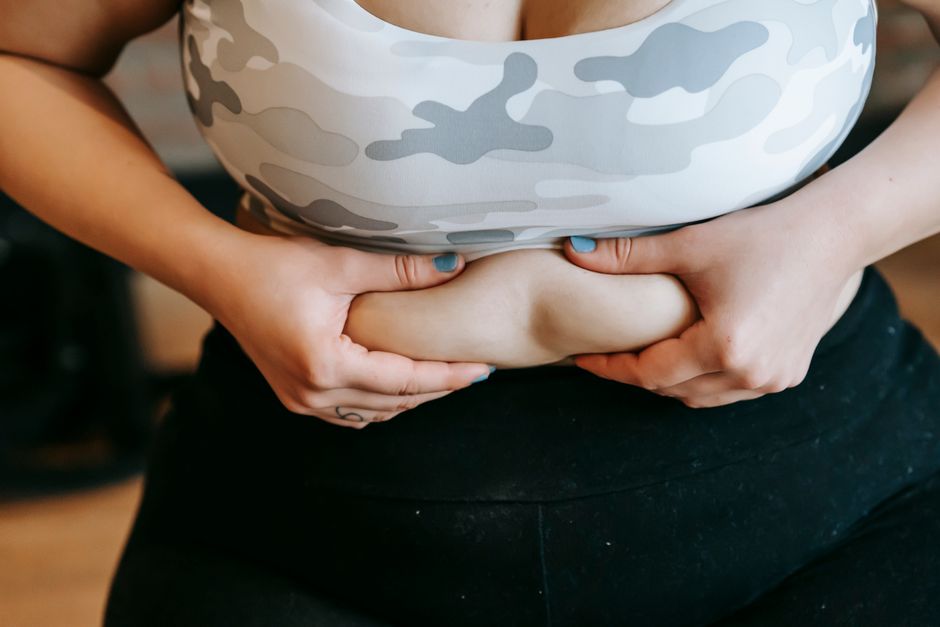
Almost everyone has grabbed a bit of skin and fat around their waist and called it a love handle. The name is playful, but the tissue itself is a serious topic in health and medicine. The term “love handles” is a nickname for the layer of subcutaneous fat that sits on the sides of the abdomen, just above the hips. It is the fat you can pinch, not the fat deep inside your belly. Understanding the difference between these two types of fat, and why the body stores it there, is the real science behind the name.
Why Are They Called Love Handles?
The phrase “love handles” became popular in the 1960s and 1970s as a casual, affectionate way to describe the curves on the sides of the waist. The idea was that these were the places a partner would hold onto during a hug or while dancing. It is a cultural term, not a medical one.
Doctors do not use the phrase in a clinical setting. In medical terms, this fat is referred to as flank fat or subcutaneous abdominal adipose tissue. The name stuck in everyday language because it is a softer, less critical way to talk about a body part many people feel self-conscious about. The humor in the name hides the fact that for many, this is a stubborn area that resists diet and exercise.
Subcutaneous Fat vs. Visceral Fat: The Core Difference
To understand love handles, you have to understand the two main types of belly fat. They are stored in different places and have different effects on your health.
Subcutaneous fat is the fat just beneath the skin. It is the pinchable fat. Love handles are almost entirely subcutaneous. This type of fat is generally considered less dangerous to your metabolic health than the fat stored deeper inside the abdominal cavity.
Visceral fat is the fat packed around your internal organs—the liver, stomach, and intestines. You cannot pinch visceral fat. It sits behind the abdominal muscle wall. This is the fat that gives some people a hard, protruding belly. Visceral fat is metabolically active and is strongly linked to heart disease, type 2 diabetes, and insulin resistance.
The key point is that love handles are mostly subcutaneous. Research indicates that subcutaneous fat is less harmful than visceral fat. However, having a large amount of subcutaneous fat still indicates an overall higher body fat percentage, which carries its own risks. Having both types means you carry excess weight, and the location of that weight matters for your long-term health.
Why Does the Body Store Fat There?
Fat distribution is not random. It is heavily influenced by hormones, genetics, and age. For people assigned female at birth, estrogen encourages fat storage in the hips, thighs, and buttocks. For people assigned male at birth, testosterone is associated with fat storage in the abdominal area, including the flanks.
Genetics play a major role in where you store fat. Some people are genetically predisposed to store fat in their midsection first. If your parents carried weight around their waist, you are more likely to do the same. This is not something you can control or change through targeted exercise.
Age also shifts fat distribution. As people get older, muscle mass tends to decrease, and fat storage patterns change. The body often redistributes fat toward the trunk and abdomen, even in people who were previously lean. This natural shift is one reason love handles become more common with age.





Can You Spot-Reduce Love Handles?
Spot reduction is the idea that you can lose fat in one specific area by exercising that area. Doing side crunches or oblique twists will not burn the fat directly over your love handles. This is a myth that has been repeatedly disproven in exercise science.
When you exercise, your body burns fat from all over, not just the muscles you are working. The fat loss pattern is determined by your genetics and hormones, not by your workout selection. You cannot choose where the fat comes off first. For many people, the belly and flanks are the last places to slim down.
Research published in the Journal of Strength and Conditioning Research examined this directly. Participants who performed abdominal exercises for six weeks showed no significant reduction in abdominal fat compared to a control group. The exercises strengthened the muscles underneath, but they did not remove the fat layer on top.
The only effective way to reduce love handles is to lower your overall body fat percentage. That requires a caloric deficit—burning more energy than you consume—combined with a resistance training program to preserve muscle mass. The fat will leave when your body decides it is ready, and for most people, that is later rather than sooner.
Muscle vs. Fat: What Is Underneath?
Underneath the love handles are the oblique muscles. These are the muscles on the sides of your abdomen that allow you to twist and bend sideways. Strengthening these muscles will not remove the fat, but it will change the shape of your waist once the fat layer thins.
The obliques are divided into external and internal layers. They attach to the rib cage and the top of the pelvis. When these muscles are well developed, they create a V-shape taper from the ribs to the waist. This is the physique many people associate with a lean, athletic build.
Building muscle here is beneficial for core stability and spinal health. A strong core supports your lower back and improves posture. But you should not expect visible definition in this area unless your body fat percentage is low enough to reveal the muscle beneath.
Health Risks Associated with Love Handles
Because love handles are subcutaneous fat, they are not the primary driver of metabolic disease. Visceral fat is the more dangerous type. However, subcutaneous fat is not completely harmless.
High amounts of subcutaneous fat are associated with systemic inflammation. Fat tissue is not inert. It releases inflammatory molecules called cytokines. Over time, chronic inflammation contributes to insulin resistance, high blood pressure, and cardiovascular strain.
Waist circumference is a useful clinical measurement. A waist measurement above 35 inches for women and 40 inches for men is considered a marker of increased cardiometabolic risk. This measurement captures both subcutaneous and visceral fat. If your love handles push your waist measurement into this range, it is worth discussing with a healthcare provider.
The most accurate way to know your visceral fat level is through imaging, such as an MRI or CT scan. These are not routine tests. In a clinical setting, waist circumference and body mass index are the standard screening tools. They are imperfect but practical.
Practical Steps That Actually Work
If your goal is to reduce love handles, the approach is straightforward but not easy. It requires a sustained caloric deficit and a consistent strength training routine.
- Create a modest calorie deficit. Aim to eat slightly fewer calories than you burn each day. A deficit of 300 to 500 calories per day typically leads to a slow, sustainable weight loss of about one pound per week.
- Prioritize protein. Adequate protein intake helps preserve lean muscle mass while you lose fat. This keeps your metabolism higher and helps you maintain strength.
- Lift weights. Resistance training builds and preserves muscle. Compound movements like squats, deadlifts, and presses engage the core and support overall body composition.
- Walk more. Increasing your daily step count is one of the most underrated tools for fat loss. It burns energy without adding stress to your recovery.
- Be patient. Subcutaneous fat in the midsection is often the last to go. This is a biological reality, not a failure on your part.
There is no food, supplement, or cream that targets love handles. Products that claim to melt belly fat are not supported by clinical evidence. The only proven path is overall fat loss.
Frequently Asked Questions
Are love handles dangerous to my health?
Love handles themselves are subcutaneous fat and are less dangerous than visceral fat. However, a large waist circumference is still linked to higher risks of heart disease and diabetes.
Can I get rid of love handles with exercise?
Exercise alone cannot remove fat from one specific area. You need an overall calorie deficit to reduce body fat, and strength training to build the muscle underneath.
Why are love handles so hard to lose?
Fat loss patterns are determined by genetics and hormones, and the midsection is often the last area to slim down for many people. This is a normal biological response, not a sign that your efforts are failing.
Are love handles the same as belly fat?
No. Love handles are subcutaneous fat on the sides of the waist, while belly fat usually refers to visceral fat deep inside the abdomen. They are stored in different places and have different health implications.
