
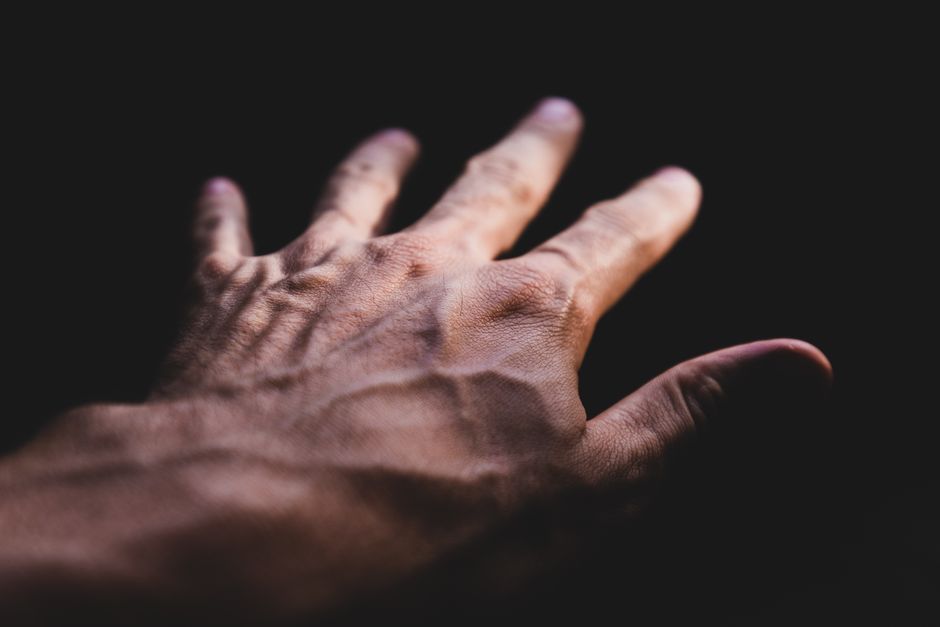
Look at the inside of your wrist. Those blue and purple lines under the skin are your veins. But your blood is red. So why do veins appear blue? The short answer is that they are not actually blue. The color you see is a trick of light and skin. Blood in your veins is dark red, and the way light passes through your skin makes those vessels look blue to your eyes. This is a well-understood physics and biology process, not a mystery.
Why Are The Veins Blue?
The color you see is not the color of the blood inside the vein. It is the result of how light interacts with your skin and the blood below it. Red light penetrates skin deeper than blue light. When light hits your skin, red wavelengths travel deep enough to reach the veins and get absorbed by the blood. Blue light does not penetrate as deeply. It bounces back off the skin’s surface and reaches your eyes. Your brain sees the reflected blue light, so that is the color you perceive.
The blood inside your veins is not blue. It is a dark, maroon red. This is because veins carry blood back to the heart after oxygen has been delivered to your tissues. Blood without oxygen is darker than oxygen-rich blood. But even deoxygenated blood is red. The blue appearance is entirely an optical effect created by your skin and the physics of light.
Why Is Blood Red But Veins Look Blue?
Blood is red because of hemoglobin. Hemoglobin is the protein in red blood cells that carries oxygen. It contains iron, and that iron binds to oxygen. When oxygen is attached, the blood is bright red. When oxygen is released, the blood becomes darker, but it remains red. It never turns blue.
The blue color you see on your wrist is a combination of two things: light scattering and the depth of the vein. Veins sit below several layers of skin and tissue. These layers scatter light in specific ways. Blue light is scattered back toward your eye more efficiently than red light. So your eye receives a blue signal even though the actual object — the vein — is dark red.
This is the same reason mountains in the distance look blue. The air scatters blue light more than other colors. The mountain is not blue. Your eye is just receiving scattered blue light. Veins work the same way.
Do Arteries Look Different Under The Skin?
Yes, but you rarely see them. Arteries carry oxygen-rich blood away from the heart. That blood is bright red. But arteries are located deeper in the body than veins. They are also surrounded by thicker walls and more tissue. Because they are deep, light does not reach them the same way it reaches surface veins.
You do not see blue arteries on your wrist because they are not close enough to the surface. The veins you see are superficial veins, meaning they run close to the skin’s surface. They have thinner walls than arteries, which also makes them easier to see.
In rare situations, you can see arteries. If you look at your temple, you might see a faint pulsing vessel. That is an artery. It may look slightly pink or flesh-toned because the bright red blood shows through thin tissue. But it does not look blue because the blood is fully oxygenated and the optical effect is different.





Why Do Some People See Green Veins?
Some people see green or teal veins, especially on their hands or forearms. This is still the same optical effect, just with a different skin tone. Skin color affects how light is absorbed and reflected. People with warmer or yellow-toned skin may see veins that look greenish. People with cooler or pink-toned skin may see bluer veins.
The blood is the same color in both cases. The difference is entirely in the skin’s pigment and how it filters light. Melanin, the pigment that gives skin its color, absorbs some wavelengths of light. This shifts the color that reflects back to your eye.
This is also why vein color can change with body fat. People with more subcutaneous fat may see veins that look more green or muted. People with very little body fat often see veins that look more purple or blue. The tissue depth changes the scattering pattern.
Can Vein Color Tell You Anything About Your Health?
No. The color of your visible veins is not a health indicator. Many online sources claim that blue veins mean poor circulation, or that green veins mean a specific blood type. These claims are false. No clinical evidence supports them.
Vein color varies from person to person based on skin tone, body fat, lighting, and the depth of the vein. It does not reflect oxygen levels, blood pressure, or cardiovascular health. If you are worried about your circulation, vein color is not a useful sign.
What matters more is vein size and shape. Sudden swelling, bulging, or painful veins can be a sign of a problem. Varicose veins, for example, are enlarged and twisted veins that can cause discomfort. These are visible and sometimes blue or purple, but they are diagnosed by their shape and symptoms, not their color.
If you notice new, painful, or swollen veins, talk to a doctor. But the normal blue lines on your wrist are not a concern. They are just your anatomy doing what it always does.
Why Do Veins Look More Blue After Exercise?
After a workout, your veins often become more visible. They may look darker blue or more prominent. This is not because your blood turned blue. It is because your veins dilated.
During exercise, your muscles need more oxygen. Your heart pumps more blood. Your veins widen to carry that extra volume back to the heart. This is called vasodilation. Wider veins sit closer to the skin surface because they push outward against the tissue. More visible veins mean more light scattering, so they appear more blue.
This effect is temporary. Once your heart rate returns to normal and your blood vessels constrict, your veins go back to their usual appearance. This is a normal physiological response, not a sign of a problem.
Is Vein Color Different In People With Darker Skin?
Yes, but the underlying biology is identical. People with darker skin have more melanin in their skin. Melanin absorbs more light, especially in the visible spectrum. This means less light reaches the veins, and less light reflects back to your eye. Veins may be harder to see or may appear as darker shadows rather than distinct blue lines.
This is why clinicians sometimes use special lights to find veins in people with darker skin. Infrared light penetrates skin better than visible light and can show veins that are not obvious to the naked eye. This is a common technique for starting IVs or drawing blood.
The physics is the same. The blood is still dark red. The skin just filters the light differently. If you have darker skin and cannot see your veins clearly, that is normal. It does not mean your veins are different or unhealthy.
Does Blood Ever Actually Turn Blue?
No. Human blood is always red. This is one of the most persistent medical myths. Some people believe that deoxygenated blood is blue and only turns red when it hits oxygen in the air. This is false.
Blood is red because of the iron in hemoglobin. The iron interacts with light in a way that reflects red wavelengths. Even when hemoglobin has no oxygen attached, it is still a dark red color. It is never blue.
The myth likely started because medical diagrams often use blue to draw veins and red to draw arteries. These are just color-coding conventions for textbooks. They are not accurate depictions of real blood color. Some older anatomy illustrations also used blue for veins, which reinforced the confusion.
If you ever see blood that looks blue, that is a medical emergency. It means the blood is severely deoxygenated, which can happen in certain rare conditions. But even then, the blood is not truly blue. It is an extremely dark red that can look bluish through thin tissue. This is not something you would see in everyday life.
Frequently Asked Questions
Why are my veins blue if my blood is red?
Your veins look blue because of how light passes through your skin, not because the blood inside them is blue. Red light penetrates deeper and is absorbed by the blood, while blue light scatters back to your eye.
Is deoxygenated blood blue?
No. Deoxygenated blood is dark red, not blue. Blood is always red because of the iron in hemoglobin.
Can vein color indicate a health problem?
No. Normal vein color varies with skin tone, body fat, and lighting. It is not a sign of circulation problems or any medical condition.
Why do my veins look more visible after exercise?
Exercise causes your veins to widen so they can carry more blood back to your heart. This makes them sit closer to the skin surface and appear more prominent.
