
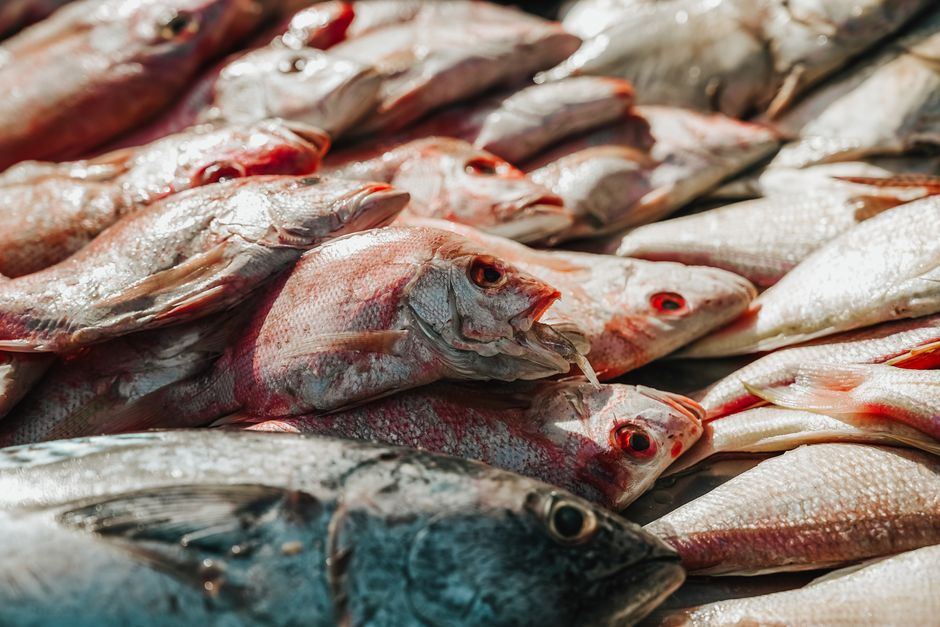
Snappers are named for the way they bite, not the way they look. When a snapper closes its jaws, the motion is fast and forceful enough to produce an audible snap — a sharp click that anglers often hear and feel before they ever see the fish. The name comes straight from that sound and that bite, and it has stuck for centuries across dozens of related species.
That single behavior explains the name, but it opens up more questions. Why do snappers snap? Is the bite dangerous to people? And does the snapping behavior connect to anything else about how these fish live? The answers sit at the intersection of fish anatomy, feeding ecology, and a fair amount of fishing folklore that is not always accurate.
Why Are Snappers Called Snapper Its All In The Bite
The name traces to the snapping sound the fish makes when its jaws close. Snappers have powerful jaw muscles and sharp, canine-like teeth set in the front of the mouth, and when they strike at prey or bite down on something, the jaws can close with a rapid, audible click. Early fishers and naturalists noticed this and named the family accordingly.
The scientific family name is Lutjanidae, a group of mostly marine fish found in tropical and subtropical waters around the world. The common name “snapper” is not a single species but a label applied to well over a hundred species, including red snapper, mangrove snapper, mutton snapper, and lane snapper. What they share is a body plan and a feeding style built around grabbing and crushing prey, and a jaw mechanism capable of producing that snap.
It is worth separating two ideas that get blended together. The snap is a sound and a mechanical event. The bite is the force behind it. The name reflects both, because to a person holding a rod, the two arrive at the same moment.
What Actually Makes the Snapping Sound?
The sound comes from the jaws and the teeth, not from a specialized sound-producing organ. Unlike some fish that drum or grunt using muscles against their swim bladder, snappers do not have a dedicated noisemaking structure for this. The snap is a byproduct of a fast, hard bite.
Several features work together:
- Jaw musculature. Snappers have strong muscles that drive the upper and lower jaws together quickly.
- Front teeth. Many species have enlarged, pointed teeth at the front of the mouth that interlock or meet sharply when the jaws close.
- Pharyngeal teeth. Snappers also have teeth deeper in the throat, on bones called pharyngeal jaws, used to grip and process prey.
- Bone and joint structure. The way the jaw bones connect allows a rapid closing motion rather than a slow clamp.
When those elements combine during a strike, the result can be a distinct snap. The sound is most noticeable when a snapper bites something hard, like a hook, a shell, or the bony part of another fish. On soft prey, the same motion may happen with little or no noise.
Is a Snapper’s Bite Dangerous to People?
A snapper bite can cause a serious hand injury, and this is a real and documented hazard in fishing. The teeth are sharp, the jaws are strong, and the fish can bite reflexively even after being landed. Anglers who handle snappers carelessly — especially by reaching into the mouth to remove a hook — are the people most at risk.
The injury is a laceration or puncture wound, and puncture wounds from fish teeth carry a risk of infection. Marine environments harbor bacteria, and a deep puncture can introduce them into tissue where they are hard to clean. This is a general principle of wound care, not something specific to snappers, but it applies here.
What is often overstated is the idea that a snapper can “take off a finger” as a matter of routine. Large snappers are capable of inflicting significant wounds, and reports of serious injuries exist, but the everyday risk is a cut or puncture rather than dismemberment. The practical takeaway is simple: use a tool to remove hooks, control the head, and do not put fingers near the mouth of a live snapper.
There is no reliable published figure for how often snapper bites cause injury, and no clinical guideline specific to snapper bites. Standard wound care and medical evaluation for deep or dirty wounds apply.
Do All Snappers Snap, or Only Some?
Not every species in the family is equally known for the behavior, and the name is applied broadly rather than precisely. The snapping trait is associated with the group as a whole, but how noticeable it is varies by species, size, and situation.
Larger, predatory snappers tend to have more powerful jaws and are more often described as snapping. Smaller species and juveniles may produce the behavior less dramatically. The name also reflects human experience: fish that were commonly caught, handled, and heard by fishers are the ones that got named for the sound.
This is a good place to note a common mix-up. “Snapper” as a fish name and “snapping” as a behavior overlap, but the name does not mean every individual snaps on command or produces sound every time it feeds. It describes a capacity, not a guarantee.
How Snappers Feed and Why the Bite Matters
Snappers are largely predatory. Many species feed on smaller fish, crustaceans, and mollusks, and some switch diet as they grow. A strong, fast bite is useful for capturing quick prey and for crushing hard-shelled animals.
The feeding style explains why the jaws are built the way they are. A fish that grabs moving prey needs speed and grip. A fish that eats shellfish needs force to break shells. Snappers do both to varying degrees depending on species and life stage, and the jaw anatomy reflects that dual demand.
This matters for anglers because it shapes how snappers take bait. They tend to strike hard and fast, which is part of why the bite is felt so distinctly and why the fish can be hooked deeply. It also means that a snapper brought to the boat is still capable of biting, since the feeding reflex does not switch off when the fish leaves the water.
Common Myths About the Snapper Name
Several explanations for the name circulate that are not well supported. It is worth sorting them out.
One claim is that snappers are named for snapping their tails or for a snapping sound made by their bodies. The more consistent explanation, based on the anatomy and the way the name is used, points to the jaws. Tail-snapping is a behavior seen in some other animals, but it is not the basis for the snapper name.
Another idea is that “snapper” refers to the fish snapping at bait on the surface. This is closer to the truth in spirit — the bite is the point — but the name is about the jaw action itself, not specifically about surface feeding.
A third myth is that all snappers are dangerous and aggressive toward swimmers. Snappers are not generally a threat to people in the water. The bite risk is concentrated in handling situations, particularly on boats and docks, not in open-water encounters.
What the Name Tells You About the Fish
The name is a practical label born from direct experience. People who caught these fish noticed a sharp, quick bite and a sound that went with it, and the word stuck. That is how a lot of common fish names came about — from behavior, not from taxonomy.
Understanding the origin of the name is more than trivia. It points to real anatomy: strong jaws, sharp teeth, and a feeding style built for grabbing and crushing. It also points to a real safety consideration for anyone who handles these fish. The bite that gave the snapper its name is the same bite that can injure a careless hand.
Frequently Asked Questions
Why are snappers called snapper?
They are named for the snapping sound and the fast, forceful bite produced when their powerful jaws close. The name comes from that behavior rather than from the fish’s appearance.
Do snappers actually make a snapping sound?
Yes, the jaws can produce an audible snap when they close quickly on hard objects like a hook or shell. On soft prey the same motion may happen with little or no sound.
Is a snapper bite dangerous?
It can cause serious cuts and puncture wounds, especially to the hands, and puncture wounds from fish teeth carry an infection risk. The risk is highest when handling a live snapper, so use a tool to remove hooks.
Are all snappers able to snap?
The trait is associated with the family as a whole, but how noticeable it is varies by species, size, and situation. Larger predatory snappers tend to have more powerful jaws.
