
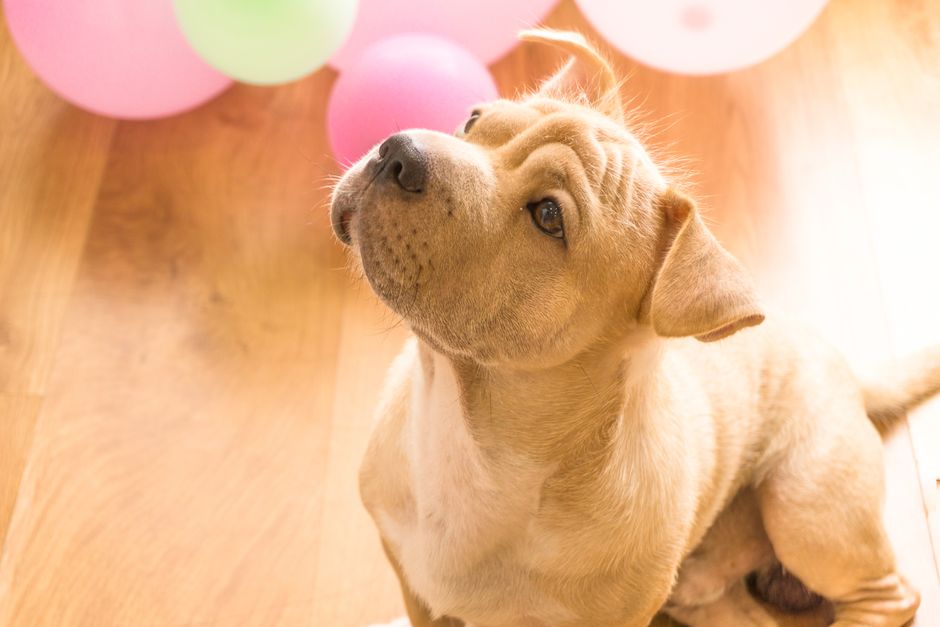
Shar Peis are wrinkly because of a specific gene variant that increases the production of hyaluronic acid, a molecule that holds water in the skin. This extra hyaluronic acid builds up under the skin and creates the deep folds the breed is known for. The same genetic change that causes the wrinkles also causes a painful inflammatory condition called Shar Pei fever, which is why the wrinkles and the health problems are connected.
Why Are Shar Peis So Wrinkly The Gene Explained
The gene involved is called HAS2. It carries the instructions for an enzyme that makes hyaluronic acid. In Shar Peis, a small change in the DNA near this gene causes the enzyme to be produced at higher levels than in other breeds.
Hyaluronic acid is not a foreign substance. It is a normal part of connective tissue in every dog and every person. It binds water and gives skin its volume and plumpness. When more of it is produced, the skin thickens and folds.
The HAS2 change in Shar Peis is not a single letter swap. It is a duplication — an extra stretch of DNA copied into the genome. Research published in the journal Cell identified this duplication as the cause of the breed’s wrinkles. The extra copies drive up hyaluronic acid production in the skin.
This is a useful clarification: the wrinkles are not caused by loose skin alone, and they are not simply a result of selective breeding for appearance over many generations without a known mechanism. There is a specific, identified genetic change behind them.
How Does Hyaluronic Acid Create Wrinkles?
Hyaluronic acid pulls water into the tissue around it. More hyaluronic acid means more water held in the skin and the layer just beneath it. That extra fluid adds thickness and volume, and the skin has to fold to accommodate it.
The effect is concentrated in certain areas. Shar Peis tend to have the deepest folds on the head, neck, and shoulders. Puppies have more wrinkles than adults because the skin is proportionally looser and the head has not yet grown into it. Many Shar Peis lose some of their puppy folds as they mature, though adults keep a characteristic wrinkled coat.
Hyaluronic acid also plays a role in the immune system and in tissue repair. That matters for understanding the health side of this breed, which is covered below.
Are Shar Pei Wrinkles a Health Problem?
Yes, in many cases. The same hyaluronic acid buildup that creates the folds is linked to a condition called Shar Pei fever, also known as familial Shar Pei fever or FSF. It causes recurring episodes of high fever, swollen joints, and inflammation.
The connection is not coincidental. The HAS2 duplication raises hyaluronic acid throughout the body, and excess hyaluronic acid is involved in the inflammatory episodes. Some research suggests the condition resembles certain inherited inflammatory disorders in people, which is one reason scientists study it.
Shar Peis are also prone to a serious kidney and organ condition called amyloidosis, in which an abnormal protein builds up in tissues. Amyloidosis is a recognized risk in the breed and can be life-threatening. It is associated with the same inflammatory pathway.
This is the part that often gets left out of conversations about the breed’s appearance. The wrinkles are a visible sign of a genetic change that carries real health risks. That does not mean every Shar Pei becomes seriously ill. It does mean the risk is built into the breed’s genetics and should be part of any decision to own one.
What Skin Problems Do Shar Pei Wrinkles Cause?
The folds trap moisture, warmth, and debris. That creates conditions where yeast and bacteria can grow. Skin fold dermatitis — inflammation and infection in the creases — is common in the breed.
Signs to watch for include redness, odor, discharge, and persistent scratching or rubbing at the folds. These signs are not specific to one cause. Yeast overgrowth, bacterial infection, and allergic skin disease can all look similar, so a veterinarian usually needs to examine the skin to tell them apart.
Other skin issues reported in Shar Peis include allergic skin disease and a condition called mucinosis, in which excess mucin (a component related to hyaluronic acid) causes swelling, particularly on the legs and hocks. Some dogs develop fluid-filled blisters called vesicles.
Do All Wrinkled Dogs Have This Gene Change?
No. Wrinkles in other breeds come from different genetics. Bulldogs, Pugs, and French Bulldogs have folded skin for reasons that are not the Shar Pei HAS2 duplication.
This matters because the health risks tied to the Shar Pei gene change do not automatically apply to other wrinkled breeds. A Pug’s wrinkles are not caused by excess hyaluronic acid from this duplication. The Shar Pei situation is unusual because a single identified genetic change explains both the appearance and a specific set of health problems.
Some crosses and mixed breeds carry Shar Pei ancestry. Whether they inherit the duplication depends on what they inherit from the Shar Pei parent. A DNA test can identify the variant in some cases, though testing availability and interpretation vary.
Can the Wrinkles Be Reduced or Managed?
The genetic change itself cannot be reversed. Management focuses on the skin and the inflammatory condition, not on removing the folds.
Routine skin care is the main practical step. Some veterinarians recommend cleaning and drying skin folds regularly to reduce moisture and debris. The exact routine should come from a veterinarian who has examined the dog, because over-cleaning or the wrong product can irritate skin.
For Shar Pei fever, treatment depends on the individual dog and the severity of episodes. Some clinicians use medications to manage the recurring fevers and inflammation, but there is no single established cure, and treatment approaches vary. Anyone with a Shar Pei showing repeated fever episodes, swollen joints, or lethargy should see a veterinarian rather than manage it at home.
Surgical removal of some skin folds is sometimes done in dogs with severe, recurrent skin fold problems. This is a decision made case by case with a veterinarian, usually a specialist, and it carries the usual risks of surgery and anesthesia.
What Should Someone Considering a Shar Pei Know?
The wrinkles are the breed’s signature, but they come with responsibilities. The genetic change behind them is also tied to inflammatory and kidney risks. A prospective owner should ask breeders about the health history of the dog’s lines and should expect to budget for veterinary care.
No test currently guarantees a Shar Pei will avoid Shar Pei fever or amyloidosis. Breeders and researchers continue to study the condition, and some breeding programs try to reduce risk, but the science is still developing. Anyone told a puppy is “guaranteed healthy” because of its lines should treat that claim with caution.
Frequently Asked Questions
What gene causes Shar Pei wrinkles?
The HAS2 gene is responsible. A duplication near this gene raises hyaluronic acid production, which thickens the skin and creates folds.
Are Shar Pei wrinkles painful for the dog?
The wrinkles themselves are not usually painful, but the folds can trap moisture and lead to skin infections that cause discomfort. The breed’s linked inflammatory condition, Shar Pei fever, can also cause painful swollen joints during episodes.
Do Shar Peis grow out of their wrinkles?
Many Shar Peis have more pronounced wrinkles as puppies and lose some as they mature. Most adults keep visible folds, particularly on the head and neck.
Is Shar Pei fever the same as the wrinkles?
They are linked by the same genetic change but are not the same thing. The HAS2 duplication causes the wrinkles and also raises the risk of the recurring inflammatory episodes known as Shar Pei fever.
