
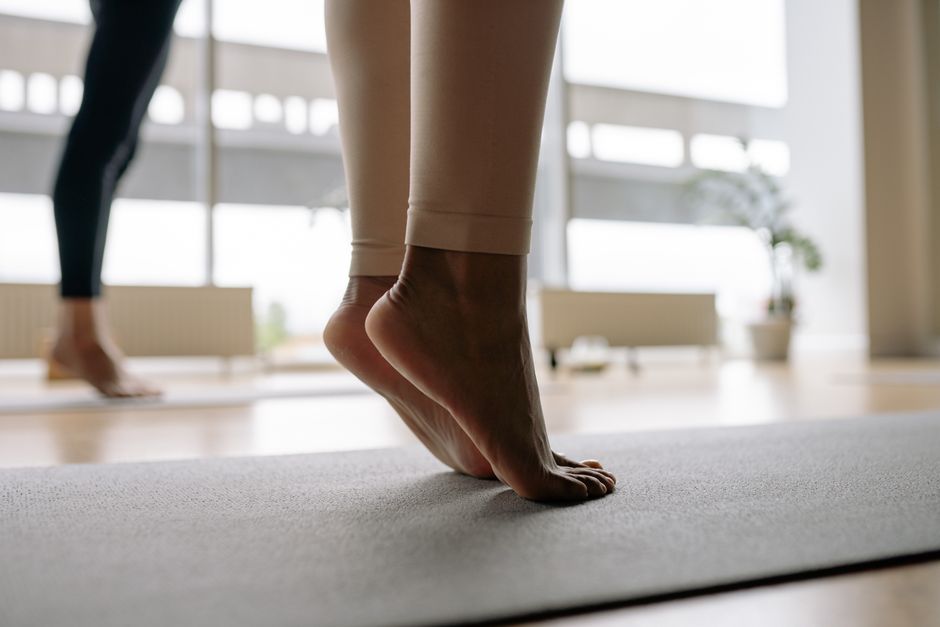
Toe cramps are sudden, involuntary muscle spasms in the small muscles of your foot. They can strike during the night, while you are exercising, or even when you are sitting still. Most toe cramps are brief and harmless, but they can be intensely painful while they last. The most common causes are dehydration, electrolyte imbalances, muscle fatigue, and poor footwear, and most cramps stop within minutes with gentle stretching and massage.
Why Are My Toes Cramping And How Do I Stop It?
Toe cramps happen when a muscle contracts and cannot relax. The muscles in your feet are small and work hard all day. When they are overworked, dehydrated, or lacking certain minerals, they can spasm.
The immediate fix is to stretch the cramped muscle. If your toes are curling under, gently pull them up toward your shin. If your toes are spreading or pointing down, press them flat against the floor. Hold the stretch for 20 to 30 seconds. Massaging the area and applying warmth can also help the muscle relax.
What Causes Toe Cramps?
Several everyday factors can trigger toe cramps. The most common include dehydration, low levels of electrolytes like magnesium, potassium, or calcium, and muscle fatigue from standing or walking for long periods.
Poor footwear is another frequent cause. Shoes that are too tight, too narrow, or have high heels force your toes into unnatural positions. This strains the small muscles and makes them more likely to cramp. Cold temperatures can also contribute because they reduce blood flow to the extremities.
Certain medications can cause cramping as a side effect. Diuretics, often called water pills, and some blood pressure and cholesterol medications are known to deplete electrolytes. If your cramps started after beginning a new medication, mention it to your doctor.
Are Toe Cramps a Sign of a Serious Condition?
In most cases, toe cramps are not a sign of a serious medical problem. They are usually a nuisance caused by lifestyle factors. However, frequent or severe cramps can sometimes point to an underlying issue.
Conditions like peripheral artery disease, which reduces blood flow to the legs and feet, can cause cramping with activity. Nerve compression, such as sciatica or a pinched nerve in the lower back, can also produce cramps in the foot. Thyroid disorders and certain metabolic conditions may contribute as well.
If your cramps happen with leg swelling, skin color changes, or weakness, seek medical advice. Cramps that wake you from sleep regularly or that do not improve with stretching also warrant a check-up. Your doctor can run simple blood tests to check your electrolyte levels and rule out circulation problems.



How Can I Prevent Toe Cramps?
Prevention starts with hydration. Drink enough water throughout the day, especially if you exercise or spend time in hot weather. When you sweat, you lose not just water but also sodium, potassium, and magnesium.
Food is the best source of these minerals. Bananas, potatoes, leafy greens, nuts, and dairy products provide potassium, magnesium, and calcium. Some research suggests that magnesium supplements may help people who get frequent nighttime leg cramps, but the evidence is mixed. If you are considering a supplement, talk to your doctor first, especially if you have kidney problems.
Choose shoes that fit properly. Your toes should have room to move freely. Avoid wearing high heels or narrow shoes for extended periods. Stretching your feet and calves before bed may also reduce nighttime cramps. A simple calf stretch against a wall, held for 30 seconds, can help.
If you stand for long hours at work, take short breaks to sit and move your feet. If you sit most of the day, stand up and walk around every hour. Regular foot and calf exercises strengthen the muscles and improve blood flow.
What Is the Difference Between Toe Cramps and Restless Legs Syndrome?
Toe cramps and restless legs syndrome are often confused because both can disrupt sleep. They are very different conditions.
A toe cramp is a painful, visible muscle contraction. The muscle feels hard and tight. It lasts for seconds to minutes and then releases. Restless legs syndrome, in contrast, is not painful in the same way. It causes an overwhelming urge to move the legs, often accompanied by an uncomfortable creeping or crawling sensation. Moving the legs brings temporary relief, but the urge returns.
Restless legs syndrome involves the nervous system, not the muscles themselves. It can be related to iron deficiency, pregnancy, or certain medications. If you have symptoms that sound like restless legs syndrome rather than cramps, discuss this with your doctor. The treatments are different.
When Should I See a Doctor About Toe Cramps?
You do not need to see a doctor for occasional toe cramps that respond to stretching. You should seek medical advice if your cramps are frequent, severe, or interfering with your daily life.
See a doctor if you notice any of these signs:
- Cramps that happen several times a week or more
- Cramps that last longer than a few minutes
- Numbness, tingling, or weakness in your feet
- Swelling, redness, or warmth in the affected area
- Cramps that do not improve with stretching and hydration
Your doctor can check for circulation problems, nerve issues, and electrolyte imbalances. Simple blood tests can identify deficiencies that are easy to correct. If a medication is causing the cramps, your doctor may adjust the dose or switch you to an alternative.
Do Home Remedies for Toe Cramps Actually Work?
Some home remedies are supported by common sense and physiology. Others are more marketing than medicine.
Stretching and massage are the most reliable remedies. They directly address the spasm by lengthening the muscle and improving blood flow. Heat, such as a warm towel or heating pad, can help relax a tight muscle. Cold packs are better for soreness after the cramp has stopped.
Magnesium supplements are popular for cramps. Some studies suggest they help with nighttime leg cramps, especially in older adults. However, the overall evidence is not strong, and results vary from person to person. Too much magnesium can cause diarrhea and stomach upset.
Pickle juice is a folk remedy that some athletes swear by. The evidence is limited, but some small studies suggest it may shorten cramp duration. The mechanism is unclear. It may work by triggering a nerve reflex in the mouth and throat rather than by replacing electrolytes. It is not harmful to try, but it is not a proven treatment.
Products that claim to “cure” cramps with special insoles, magnets, or vibrating devices have not been proven effective in clinical trials. Be cautious with any product that promises a guaranteed fix.
Can Dehydration Alone Cause Toe Cramps?
Yes, dehydration can cause toe cramps, but it is rarely the only factor. When your body is low on water, your blood becomes more concentrated. This affects the balance of minerals in and around your muscle cells.
Muscles need the right balance of sodium, potassium, calcium, and magnesium to contract and relax properly. Even mild dehydration can disrupt this balance. The problem is often worse when dehydration is combined with other factors, like muscle fatigue or hot weather.
Drinking water throughout the day is the best prevention. If you exercise intensely or sweat heavily, consider a drink that contains electrolytes. For most people, plain water and a normal diet are enough to maintain proper mineral balance.
Frequently Asked Questions
Can toe cramps be a sign of heart problems?
Toe cramps alone are rarely a sign of heart problems. However, if cramps occur with leg swelling, chest pain, or shortness of breath, seek medical attention immediately.
What vitamin deficiency causes toe cramps?
Low levels of magnesium, potassium, calcium, or vitamin D can contribute to muscle cramps. A blood test can identify which deficiency you have.
Why do my toes cramp at night?
Nighttime toe cramps often result from muscle fatigue, dehydration, or sleeping in a position that shortens the foot muscles. Stretching your calves and feet before bed may reduce their frequency.
Does drinking more water stop toe cramps?
Drinking enough water helps if dehydration is the cause. Many people do not drink enough, so improving hydration is a reasonable first step.
