
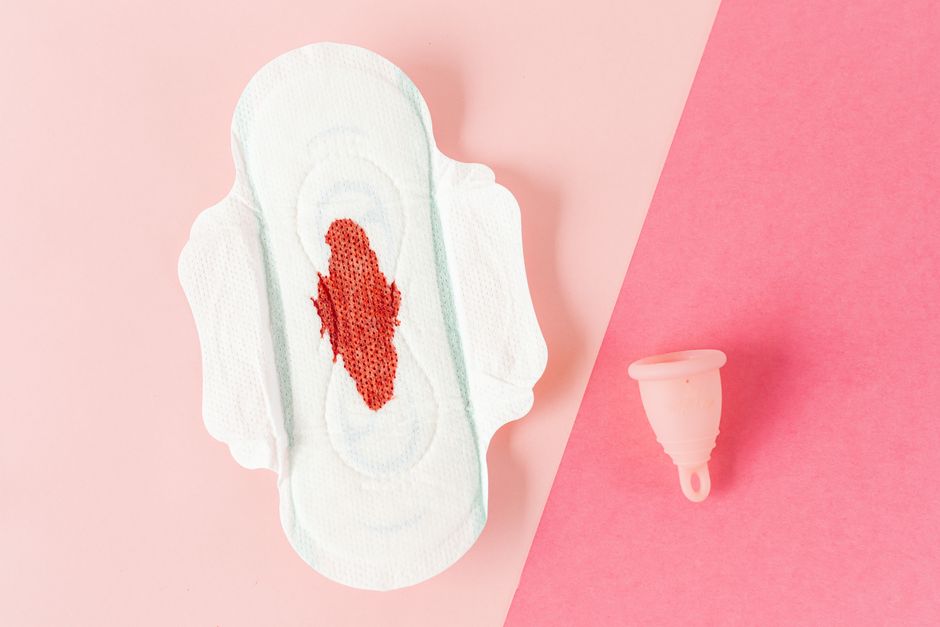
Menstrual blood clots are a normal part of many periods. They form when blood pools in the uterus or vagina long enough for the body’s clotting system to do its job. Small clots — roughly the size of a pea or a dime — are common and usually not a sign of anything wrong. Large clots, especially those bigger than a quarter, are worth mentioning to a clinician. The most common causes are heavy menstrual bleeding, hormonal shifts, uterine fibroids, and the natural slowing of blood flow when you sit or lie down for a while.
Why Are My Period Blood Clots So Big Causes?
Blood clots during a period happen because menstrual blood contains clotting factors, and when that blood sits still inside the uterus or vagina, it coagulates. The bigger the pool of blood and the longer it sits, the larger the clot. So large clots are usually a sign of heavier bleeding, slower flow, or both — not a sign that something is wrong with your blood itself.
During a typical period, the body releases anticoagulant enzymes in menstrual blood that keep it from clotting too much. When bleeding is heavy, those enzymes can’t keep up. The result is visible clots. Understanding the possible causes means looking at both how much you bleed and how your uterus is built and functioning.
Heavy menstrual bleeding
Heavy menstrual bleeding — clinically called menorrhagia — is the single most common reason for large clots. When the uterus sheds a lot of blood quickly, that blood can pool and clot before it leaves the body. Passing clots larger than a quarter is one of the recognized signs clinicians use when evaluating heavy bleeding.
Heavy bleeding itself can have many causes. Hormonal imbalances, fibroids, adenomyosis, polyps, and bleeding disorders can all contribute. So the clot is a symptom pointing to the underlying reason for the heavy flow, not a condition on its own.
Hormonal shifts
Estrogen and progesterone control the buildup and shedding of the uterine lining. When these hormones are out of balance, the lining can become thicker than usual. A thicker lining means more tissue and blood to shed, which can lead to heavier flow and larger clots.
This is why clots can be more noticeable during perimenopause, after starting or stopping hormonal contraception, or in cycles affected by thyroid problems. The hormonal shift changes the volume and pattern of bleeding.
Uterine fibroids and adenomyosis
Fibroids are noncancerous growths in the muscular wall of the uterus. They are common, and depending on their size and location, they can make periods heavier and clottier. Adenomyosis is a related condition where uterine lining tissue grows into the muscle wall, often causing heavy, painful periods with clots.
Not everyone with fibroids has heavy bleeding. Location matters a lot. A fibroid near the inner lining is more likely to affect bleeding than one on the outer wall.
Slower flow when you sit or lie down
This cause is often overlooked. When you sit or lie down for a long time — overnight, on a long flight, during a meeting — blood collects in the vagina and has more time to clot. That’s why many people notice large clots first thing in the morning or after being still for a while.
This is a mechanical effect, not a hormonal one. The blood isn’t clotting because something is wrong with your body. It’s clotting because it sat still. If clots only appear after long periods of rest and are otherwise small, this is a common and generally harmless explanation.
How Big Is Too Big When It Comes to Period Clots?
A clot larger than a quarter is the size most clinicians use as a threshold worth checking. Clots the size of a pea or a dime are usually not a concern. Clots that are consistently larger than a quarter, or that come with other signs of heavy bleeding, are the ones to bring up with a doctor.
Size alone isn’t the whole picture. Frequency and accompanying symptoms matter just as much. Passing one large clot on your heaviest day is different from passing several large clots every cycle.
Signs that suggest you should get evaluated include:
- Clots larger than a quarter, especially several per cycle
- Soaking through a pad or tampon every hour for several hours
- Bleeding that lasts longer than seven days
- Feeling dizzy, weak, or unusually tired during your period
- Periods that regularly interfere with work, sleep, or daily life
These signs don’t automatically mean something serious is going on. They do mean the pattern is worth a conversation with a clinician, who can help sort out whether heavy bleeding is the cause and why.
What Causes Large Clots in Your Period After Age 35?
Large clots become more common as people move through their late 30s and 40s, largely because hormone levels start to shift and uterine conditions like fibroids become more common with age. Perimenopause — the years before menopause — often brings unpredictable bleeding patterns, including heavier periods and more noticeable clots.
Fibroids are also more common in this age range. Many people who never had heavy periods in their 20s notice a change in their late 30s or 40s. That shift is worth tracking and mentioning to a clinician, especially if it’s new.
Age doesn’t cause clots directly. What changes with age is the hormonal environment and the likelihood of uterine growths, both of which can affect how much you bleed and how that blood clots.
When Do Period Clots Signal a Medical Condition?
Clots signal a possible medical condition when they come with heavy bleeding that affects your daily life, or when they appear alongside other symptoms. Heavy menstrual bleeding is a real clinical condition, not just an inconvenience, and it deserves proper evaluation.
Conditions that can cause large clots include:
- Uterine fibroids — noncancerous growths that can increase bleeding
- Adenomyosis — uterine lining tissue growing into the muscle wall
- Endometrial polyps — small growths in the uterine lining
- Hormonal imbalances — including thyroid conditions and perimenopause
- Bleeding disorders — such as von Willebrand disease, which can cause heavy periods
- Pelvic infection — less common but a possible cause of abnormal bleeding
Bleeding disorders are worth highlighting because they’re often missed. Some people with heavy periods and large clots have an underlying bleeding disorder that went undiagnosed for years. If heavy bleeding started around your first period and has been a lifelong pattern, or if it runs in your family, that’s a detail worth raising.
What Should You Do If You Notice Large Clots?
Track your bleeding pattern for a cycle or two, then bring it to a clinician. Details help: how many clots, roughly how big, which days they appear, how many pads or tampons you use, and whether you feel tired or dizzy. A simple log is often more useful than trying to remember.
There’s no specific diet or home remedy that has been shown to reliably reduce clot size. The useful step is getting the pattern evaluated, because the right next step depends entirely on what’s causing the heavy bleeding.
Evaluation typically starts with a conversation and a physical exam. Depending on what’s found, a clinician may suggest blood tests, an ultrasound, or other imaging. The goal is to identify the cause, not to treat clots in isolation.
If you feel faint, dizzy, or short of breath during your period, or if bleeding is extremely heavy and won’t slow down, seek medical care promptly. Those signs can point to significant blood loss.
Are Large Period Clots Ever Normal?
Yes. Some people regularly pass clots larger than a quarter and have no underlying condition. Clot size varies widely from person to person, and what’s normal for one person may not be for another.
The key question is whether the pattern has changed or is affecting your health and daily life. Clots that have always been present and haven’t changed are less concerning than clots that are new, getting bigger, or coming with heavier bleeding.
This is where an honest conversation with a clinician matters more than comparing your period to someone else’s. There’s no single “normal” period. There is a pattern that’s normal for you, and a change in that pattern is the signal worth acting on.
Frequently Asked Questions
Are large blood clots during a period normal?
Small clots are normal, but clots larger than a quarter are worth mentioning to a clinician. They often point to heavier bleeding rather than a problem with clotting itself.
What causes big blood clots during a period?
The most common cause is heavy menstrual bleeding, where blood pools and clots before leaving the body. Hormonal shifts, fibroids, and long periods of sitting or lying down can also contribute.
When should I worry about period blood clots?
Get evaluated if you pass clots larger than a quarter regularly, soak through protection every hour, or feel dizzy or weak. Those signs suggest heavy bleeding that deserves a proper look.
Can large period clots be a sign of fibroids?
Yes, fibroids are a common cause of heavy periods with large clots, though not everyone with fibroids has this pattern. Location and size of the fibroid affect how much bleeding occurs.
