
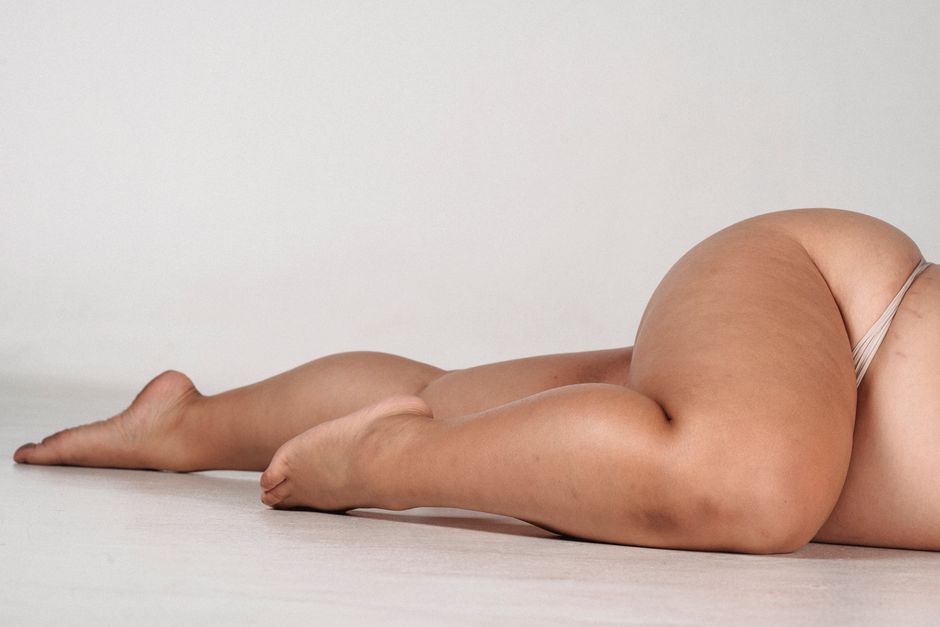
If you carry extra fat on your inner thighs and it never seems to budge, you are not imagining it. Fat storage follows a pattern set largely by your genes, hormones, and sex, and the inner thigh is a common place for the body to hold on to fat. The bigger reason it feels “hard to lose” is that you cannot spot-reduce fat from one area. Your body draws on fat stores from all over, in an order it decides, not you. Inner thigh fat is often the last to go because of that pattern, not because something is wrong with you.
There is a second part to this that many people miss. The inner thigh is also where a lot of loose skin and soft tissue sits, especially after weight loss or with age. What feels like stubborn fat can be a mix of fat, skin, and the natural shape of the muscle underneath. That matters because it changes what will actually help.
Why Are My Inner Thighs So Fat And Hard To Lose?
Fat placement is mostly genetic. Your body has a set pattern for where it stores fat and in what order it releases it. For many women, the hips and thighs are a primary storage site. For many men, it is the belly. This is driven largely by sex hormones and by inherited traits you did not choose.
The inner thigh is an area where fat tends to sit close to the surface and around the muscle. It is not a special kind of fat that resists diet and exercise more than other fat. It simply sits lower on your body’s priority list for release.
When you lose weight, fat is mobilized from stores across your body. The order is set by your biology, not by which exercises you do. So you might notice your face or waist lean out first while your thighs change more slowly. That is normal and expected. It does not mean your efforts are failing.
One clarification worth knowing: the idea that you can “target” fat on a specific body part by exercising it is not supported by evidence. You can strengthen the muscles of the inner thigh, but working a muscle does not burn the fat sitting on top of it. Research on spot reduction has generally not found it to work.
Is Inner Thigh Fat Different From Fat Elsewhere?
Broadly, no. The fat under your skin on the thighs is subcutaneous fat, the same type found on your hips, belly, and arms. It is not a separate or “trapped” kind of fat.
Where it does differ is in what surrounds it. The inner thigh has a lot of soft tissue and skin, and the skin there can loosen with age, weight change, or pregnancy. This is why the area can look softer or fuller even when your overall body fat is not high.
There is also a distinction between subcutaneous fat (under the skin, which you can pinch) and visceral fat (deep inside the belly around organs). Visceral fat is the type more closely linked to health risks. Inner thigh fat is subcutaneous. It is a cosmetic concern for most people, not a health marker on its own.
Does Hormonal Change Make It Worse?
Hormones strongly influence where fat is stored. Estrogen tends to direct fat toward the hips and thighs. This is why many women notice more thigh fat during and after puberty, and why the pattern can shift again around menopause.
During perimenopause and menopause, falling estrogen levels often change fat distribution. Some women see fat move away from the hips and thighs and toward the belly. Others find the thighs change in texture and firmness as skin elasticity declines. Both patterns are common.
Thyroid function can also affect weight and fat distribution, but this is a medical question, not a cosmetic one. If you have other symptoms like fatigue, cold intolerance, or unexplained weight change, that is worth raising with a clinician rather than assuming it is about your thighs.
Can You Spot-Reduce Inner Thigh Fat With Exercise?
No. Spot reduction does not work. This is one of the most consistent findings in exercise science. Training a muscle builds and strengthens it, but it does not preferentially burn the fat stored over that muscle.
What exercise can do is build the inner thigh muscles, which changes the shape and firmness of the area. The muscles of the inner thigh are called the adductors. Strengthening them can make the area feel more toned and supported. It will not remove fat from that specific spot.
Fat loss happens through an overall energy deficit, meaning you take in fewer calories than you use over time. Where that fat comes off is decided by your body. This is why two people doing the same thigh exercises can get very different results.
Some people find that building muscle in the legs and hips improves the appearance of the area even before much fat is lost, because the underlying shape changes. That is a real effect, but it is about muscle, not fat removal.
What Actually Helps Reduce Inner Thigh Fat?
An overall energy deficit is the only reliable way to reduce fat anywhere, including the thighs. How you create that deficit matters less than whether you can sustain it. A modest, steady approach tends to work better than an aggressive one you cannot maintain.
Strength training helps preserve muscle while you lose fat. That matters because losing muscle can leave the area looking softer, not firmer. Keeping muscle supports the shape of your legs as fat comes down.
Here is where expectations need to be honest. Even with consistent effort, the inner thigh may be one of the last areas to change, and for some people it never fully “goes away” because their genetic pattern keeps some fat there. That is not failure. It is biology.
Things that do not have strong evidence behind them for fat removal include thigh creams, wraps, massage tools, and most “slimming” devices. No study has confirmed these remove fat. Some may temporarily change the look of the skin through swelling or hydration, but that is not fat loss.
When Is Inner Thigh Fullness Not About Fat?
Not everything that looks like thigh fat is fat. Swelling, fluid retention, and a condition called lipedema can all cause fullness in the legs. Lipedema is a chronic condition that causes a buildup of fat, usually in the legs, and it does not respond to diet and exercise the way ordinary fat does.
This is worth knowing because lipedema is often mistaken for simple weight gain, and the two need different approaches. Signs that point away from ordinary fat include legs that feel heavy or painful, easy bruising, and fat that feels disproportionate to the rest of the body. If any of that sounds familiar, it is a conversation for a clinician, not a diet plan.
General fluid retention can also make the legs and thighs look fuller. This can relate to salt intake, hormones, some medications, or circulation. It tends to fluctuate, whereas fat does not change much day to day.
What About Loose Skin and Texture?
Skin firmness changes with age and with weight loss. The inner thigh is a common place for looser skin because the skin there is thin and has been stretched. This can make the area look fuller or softer even when fat is low.
No cream or exercise reliably tightens loose skin. Some clinicians offer procedures for skin tightening, but results vary and the evidence for many of these is limited. It is worth being skeptical of strong claims here.
Building the muscles underneath can improve the appearance somewhat by giving the area more structure. It will not remove skin. Setting realistic expectations about this is kinder to yourself than chasing a result the tissue cannot give.
The Bottom Line
Inner thigh fat is stubborn for a simple reason: your body decides where fat comes off, and the thighs are often low on that list. It is not a sign you are doing something wrong. The inner thigh is also a spot where skin and soft tissue affect how the area looks, which is separate from fat.
What helps is an overall approach: a sustainable energy deficit, strength training to keep muscle, and patience with a body that follows its own pattern. What does not help is spot exercises, creams, or wraps promising to target the area. The evidence simply is not there.
Frequently Asked Questions
Can you lose inner thigh fat specifically?
No, you cannot target fat loss to the inner thighs. Your body draws on fat stores across the whole body in an order set by genetics and hormones.
Why is inner thigh fat so stubborn?
The thighs are a common fat storage site, especially for women, and often sit low on the body’s priority list for fat release. That makes them slow to change even when you are losing fat elsewhere.
Do inner thigh exercises burn thigh fat?
No, working the inner thigh muscles strengthens them but does not burn the fat over them. Spot reduction is not supported by research.
Can hormones cause inner thigh fat?
Yes, hormones strongly influence where fat is stored, and estrogen tends to direct fat toward the hips and thighs. Shifts around menopause can also change fat distribution.
