

Low estrogen is not a single condition with one cause. It is a hormonal state that can happen for many different reasons, and those reasons change depending on your age and stage of life. For most people, the drop is a normal biological process tied to aging. For others, it is a response to stress, illness, or medical treatment. Understanding why it happens requires looking at where estrogen is made and what controls it.
What Does Estrogen Actually Do in the Body?
Estrogen is not just a reproductive hormone. It acts on tissues throughout the body, including bone, brain, blood vessels, and skin. It helps regulate the menstrual cycle, supports bone density, influences cholesterol levels, and affects mood and temperature regulation.
In people with ovaries, estrogen is produced primarily by the ovaries. Smaller amounts are made by fat tissue and the adrenal glands. The brain controls this process through a feedback loop involving the hypothalamus and pituitary gland. When that loop is disrupted, estrogen production can slow down or stop.
The Most Common Cause: Natural Aging
The most frequent reason for low estrogen is the natural transition into menopause. As the ovaries age, they become less responsive to signals from the brain. Follicle-stimulating hormone (FSH) levels rise as the brain tries harder to stimulate the ovaries, but the ovaries produce less estrogen over time.
This transition typically begins in the mid-to-late 40s and can last several years. During perimenopause, estrogen levels fluctuate widely. They may be normal one day and low the next. After menopause, which is defined as 12 consecutive months without a period, estrogen levels remain consistently low.
Surgical menopause is a faster version of this. When both ovaries are removed, estrogen production stops immediately. This causes a sudden and often more intense drop in estrogen compared to natural menopause.
Why Are My Estrogen Levels Low at a Younger Age?
Low estrogen in younger people is less common but not rare. Several distinct causes exist, and they work through different mechanisms.
Hypothalamic amenorrhea is one of the most common causes in younger women. This happens when the hypothalamus slows or stops signaling the pituitary gland. The most frequent triggers are significant calorie restriction, rapid weight loss, excessive exercise, or high psychological stress. The body essentially decides that conditions are not favorable for reproduction and shuts down ovarian function.
This is why female athletes and people with eating disorders often experience missed periods and low estrogen. The condition is reversible in most cases when the underlying trigger is addressed, such as increasing calorie intake or reducing training intensity.
Premature ovarian insufficiency is a different condition. Here, the ovaries stop functioning normally before age 40. The cause is often unknown, but it can be related to autoimmune disease, genetic conditions like Turner syndrome, or cancer treatments such as chemotherapy and radiation. Unlike hypothalamic amenorrhea, premature ovarian insufficiency is often permanent.
Pituitary disorders can also cause low estrogen. The pituitary gland produces hormones that signal the ovaries. If the pituitary is damaged by a tumor, surgery, or radiation, that signal weakens. Prolactinomas, which are benign pituitary tumors, can suppress estrogen production by raising prolactin levels.




Medical Treatments That Lower Estrogen
Some medical treatments intentionally lower estrogen. These are used to treat conditions like endometriosis, uterine fibroids, and certain types of breast cancer.
Gonadotropin-releasing hormone (GnRH) agonists are medications that temporarily put the ovaries to sleep. They are used to treat endometriosis and are also used in fertility treatment. While on these medications, estrogen levels drop to menopausal levels.
Aromatase inhibitors are used in breast cancer treatment. They do not stop the ovaries from making estrogen. Instead, they block the enzyme that converts androgens into estrogen in fat tissue and other parts of the body. This works differently from ovarian suppression and is used specifically in estrogen-sensitive cancers.
Certain chemotherapy drugs damage ovarian tissue permanently. The likelihood of this depends on the drug, the dose, and the person’s age at treatment. Younger women are more likely to recover ovarian function after chemotherapy than older women.
Symptoms of Low Estrogen
Low estrogen produces recognizable symptoms, though they vary from person to person. The most common symptoms include:
- Irregular or absent periods
- Hot flashes and night sweats
- Vaginal dryness
- Sleep disturbances
- Mood changes
- Brain fog or difficulty concentrating
- Headaches, particularly around the time periods would normally occur
Some of these symptoms, like hot flashes, are directly tied to estrogen’s role in temperature regulation. The hypothalamus interprets low estrogen as a temperature imbalance and triggers heat dissipation responses.
Vaginal dryness develops because estrogen maintains the thickness and elasticity of vaginal tissue. Without estrogen, the tissue thins and produces less lubrication. This is a gradual process for some and rapid for others.
How Is Low Estrogen Diagnosed?
Low estrogen is diagnosed with a blood test, but timing matters. Estradiol, the main form of estrogen, fluctuates throughout the menstrual cycle. A single low reading may not mean much if the test was taken at the wrong time of the cycle.
For people who still have periods, doctors typically measure estradiol and FSH on day 3 of the menstrual cycle. A high FSH with low estradiol suggests the ovaries are not responding to brain signals. For people who have stopped having periods, the diagnosis is often made based on symptoms and a consistently low estradiol level.
FSH testing is especially useful. High FSH with low estrogen points to ovarian failure. Low FSH with low estrogen points to a problem higher up, in the hypothalamus or pituitary.
When Low Estrogen Needs Treatment
Not all low estrogen requires treatment. A naturally postmenopausal person with mild symptoms may not need any intervention. But there are situations where treatment is clearly recommended.
Premenopausal women with low estrogen should generally be evaluated, especially if periods have stopped for several months. Chronic low estrogen before menopause increases the risk of bone loss. Estrogen is critical for bone remodeling, and without it, bone density declines faster than normal.
Menopause hormone therapy is the most effective treatment for moderate to severe hot flashes and night sweats. It is also used to prevent bone loss in people at high risk of osteoporosis. The decision to use hormone therapy depends on the person’s age, time since menopause, and personal medical history. For most healthy people under 60 who are within 10 years of menopause, the benefits often outweigh the risks, but this is a decision made with a clinician.
Vaginal estrogen, available as a cream, tablet, or ring, treats vaginal dryness without significantly raising estrogen levels in the bloodstream. This is considered a low-risk option for most people.
For hypothalamic amenorrhea, the treatment is not medication. It is addressing the root cause. Increasing calorie intake, reducing exercise intensity, and managing stress can restore normal hormone function. This takes time and often requires professional support from a dietitian or therapist.
Can Low Estrogen Be Prevented?
Natural menopause cannot be prevented. It is a biological process. But some causes of low estrogen are avoidable.
Extreme dieting and overtraining can be modified. Maintaining an adequate calorie intake and balancing exercise with rest supports normal hormone production. This is well established in sports medicine research.
There is no reliable way to prevent premature ovarian insufficiency. When the cause is genetic or autoimmune, it is not something a person can control. When the cause is cancer treatment, the trade-off is between survival and fertility, and the decision is highly personal.
Some people try supplements claiming to boost estrogen. No supplement has been proven in rigorous clinical trials to raise estrogen levels meaningfully. Phytoestrogens, which are plant compounds found in soy and flaxseed, bind weakly to estrogen receptors, but they do not act like human estrogen in the body. The evidence that they can treat low estrogen symptoms is limited and mixed.
Frequently Asked Questions
Can stress cause low estrogen levels?
Yes. High stress can suppress the hypothalamus, which slows the signal to the ovaries and reduces estrogen production. This is the same mechanism behind missed periods during intense life events.
What is a normal estrogen level?
Normal levels vary widely by age and cycle phase, ranging from about 15 to 350 pg/mL depending on where a person is in their menstrual cycle. After menopause, levels typically stay below 30 pg/mL.
Can low estrogen cause weight gain?
Low estrogen is associated with changes in body fat distribution, particularly an increase in abdominal fat. The relationship is complex, and aging and lifestyle factors also play a significant role.
Does birth control lower your natural estrogen?
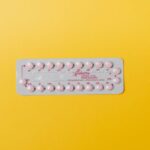
Birth control pills contain synthetic estrogen and progestin, which suppress the body’s own ovarian estrogen production. The total estrogen effect in the body is still elevated, not low, which is why birth control is not a cause of low estrogen symptoms.
