
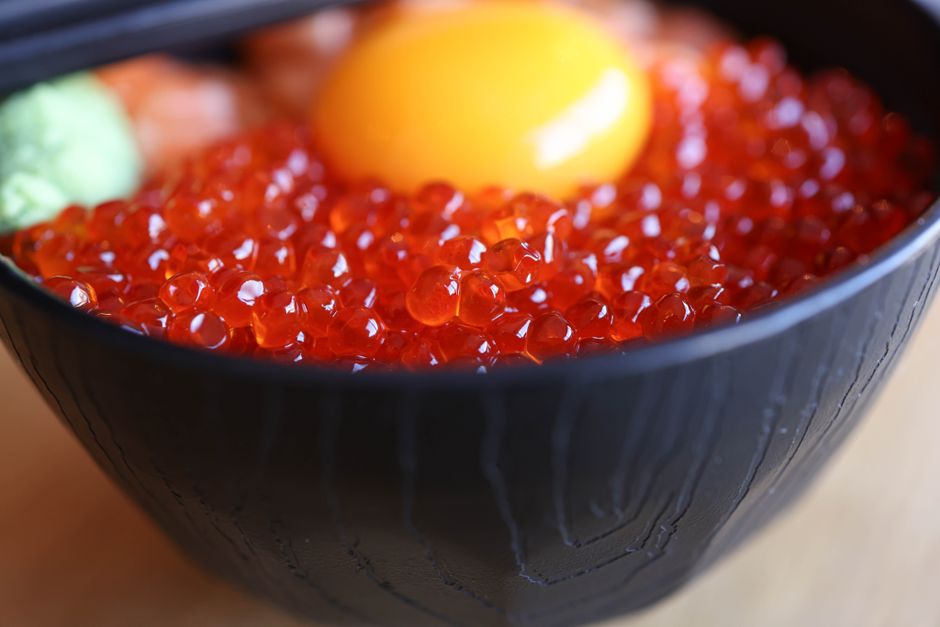
Japanese egg yolks are orange because of what the hens eat. Diets rich in carotenoid pigments — especially from red pepper, paprika, marigold extract, and certain algae — deposit those pigments into the yolk, and the more pigment a hen absorbs, the deeper and more orange the yolk becomes. It has nothing to do with the breed of chicken, the size of the egg, or how fresh it is. It is a direct result of feed.
That single fact explains most of what people notice about Japanese eggs. The color is a visible record of a diet, and in Japan that diet is often built around ingredients that push yolk color toward orange rather than the pale yellow many shoppers in the US are used to.
Why Are Japanese Egg Yolks Orange Its The Feed?
The pigment comes from the feed, and the hen’s body does the rest. Carotenoids are fat-soluble compounds. A hen absorbs them from her diet, they travel through her bloodstream, and they are deposited into the developing yolk inside the ovary. The yolk is where the fat goes, so the color goes with it.
The key pigments are xanthophylls, a group of oxygen-containing carotenoids. Lutein and zeaxanthin are the best known. They occur naturally in yellow corn, alfalfa meal, and marigold petals. A hen eating a corn-based diet lays a yolk that ranges from pale yellow to medium gold.
To reach orange, the diet needs a stronger pigment source. In Japan that often means red pepper (paprika) meal, marigold extract, or specific algae. These contain concentrated xanthophylls that shift the yolk from gold toward deep orange. The effect is dose-dependent — more pigment in the feed means more pigment in the yolk, up to a point where the hen’s absorption capacity levels off.
One clarification that surprises people: yolk color is not a sign of nutritional quality for the person eating the egg. It tells you about the hen’s diet. It does not reliably tell you the egg is higher in protein, vitamins, or omega-3s. Those depend on separate aspects of the feed and the hen’s management.
What Do Japanese Hens Eat That Makes Yolks So Orange?
Japanese egg producers often use feed formulations that include pigment-rich ingredients, and the result is a consistently deeper yolk than many American supermarket eggs. The specific blends vary by farm and brand, but several ingredients recur.
- Red pepper and paprika meal. A concentrated source of xanthophylls, widely used to deepen yolk color.
- Marigold extract. A natural pigment additive used in many countries, including Japan.
- Corn. Provides a baseline of yellow pigment; alone it usually produces gold, not deep orange.
- Algae. Certain microalgae are rich in carotenoids and are used in some premium feeds.
- Alfalfa meal. A plant source of xanthophylls that contributes to color.
Japanese consumers also tend to associate deep orange yolks with richness and quality, which gives producers a market reason to aim for that color. That is a cultural preference, not a nutritional one. Feed formulation in Japan is partly shaped by what shoppers expect to see when they crack an egg.
Is an Orange Yolk Healthier Than a Yellow One?
For the person eating the egg, an orange yolk is not meaningfully more nutritious than a yellow one. The pigment difference reflects the hen’s diet, not a difference in the egg’s protein, fat, or major vitamin content for the consumer.
There is a nuance worth knowing. The carotenoids in the yolk — lutein and zeaxanthin — are real nutrients. They are the same compounds found in the human retina, and they are associated with eye health. A yolk with more pigment does contain more of these carotenoids. But the amounts in a single egg are small compared with what you get from leafy greens and other vegetables. The color difference is not a reason to choose one egg over another on health grounds.
What actually varies between eggs is more about the hen’s overall diet and living conditions. Eggs from hens fed diets enriched with omega-3 sources can carry more omega-3 fatty acids. Eggs from pasture-raised hens may differ in some fat-soluble nutrient levels, though the research here is mixed and results vary by farm. Yolk color itself is not a reliable proxy for any of this.
Why Are Some Egg Yolks Pale Yellow and Others Deep Orange?
Yolk color sits on a spectrum, and the position on that spectrum is set almost entirely by feed. A hen on a wheat-based diet with little added pigment lays a pale yellow yolk. A hen on a corn-heavy diet lays gold. A hen fed concentrated xanthophyll sources lays orange.
Several factors influence how much pigment actually reaches the yolk:
- Pigment concentration in the feed. The main driver. More pigment, more color.
- Hen health and absorption. A hen with intestinal disease or parasites absorbs less pigment and lays paler yolks even on a rich diet.
- Hen age. Older hens tend to deposit pigment less efficiently, so yolks can lighten over a flock’s laying cycle.
- Storage and heat. Pigments can degrade somewhat over time, though the effect is modest compared with diet.
This is why two eggs from the same brand can look slightly different. Feed batches change, hen age varies, and absorption is not perfectly uniform across a flock.
Does Yolk Color Tell You Anything About Egg Quality?
Yolk color tells you about feed. It does not reliably tell you about freshness, safety, or nutritional value. Those are separate questions with separate answers.
Freshness is judged by other signs — a firm, high-standing yolk, a thick white that holds its shape, and a clean shell. A deep orange yolk from an old egg is still an old egg. Color and freshness are not linked.
The same caution applies to marketing. Terms like “orange yolk” or “rich golden yolk” appear on packaging because shoppers respond to them. No study has confirmed that a darker yolk means a better egg for your health. The color is a feed signature, and it is a legitimate one — but it is not a quality grade.
Can You Get Orange Yolks From Backyard Hens?
Yes, and the mechanism is the same. Backyard hens that forage widely and eat pigment-rich plants, insects, and kitchen scraps often lay deeper-colored yolks than hens on plain commercial feed. Foraging exposes them to carotenoids from grass, weeds, and insects.
Some keepers deliberately add pigment sources to push color further — marigold petals, paprika, or alfalfa. The effect is real and follows the same biology as commercial feed. It is also variable, because foraging and scraps are not a controlled diet.
The practical takeaway is the same for backyard and commercial eggs. Yolk color is a window into what the hen ate. It is not a measure of how good the egg is for you.
Frequently Asked Questions
Why are Japanese egg yolks orange?
Japanese egg yolks are orange because the hens eat feed rich in carotenoid pigments, often from red pepper, paprika, marigold extract, or algae. Those pigments are deposited into the yolk and deepen its color.
Are orange egg yolks healthier than yellow ones?
No, an orange yolk is not meaningfully more nutritious for the person eating it. The color reflects the hen’s diet, not a difference in the egg’s protein or major vitamin content.
Is yolk color a sign of a fresher egg?
No, yolk color and freshness are not linked. Freshness is better judged by a firm, high-standing yolk and a thick white that holds its shape.
Can I make my hens lay orange yolks?
Yes, feeding hens pigment-rich sources like paprika, marigold, or alfalfa can deepen yolk color. The effect follows the same biology as commercial feed and varies with the hen’s diet and health.
