
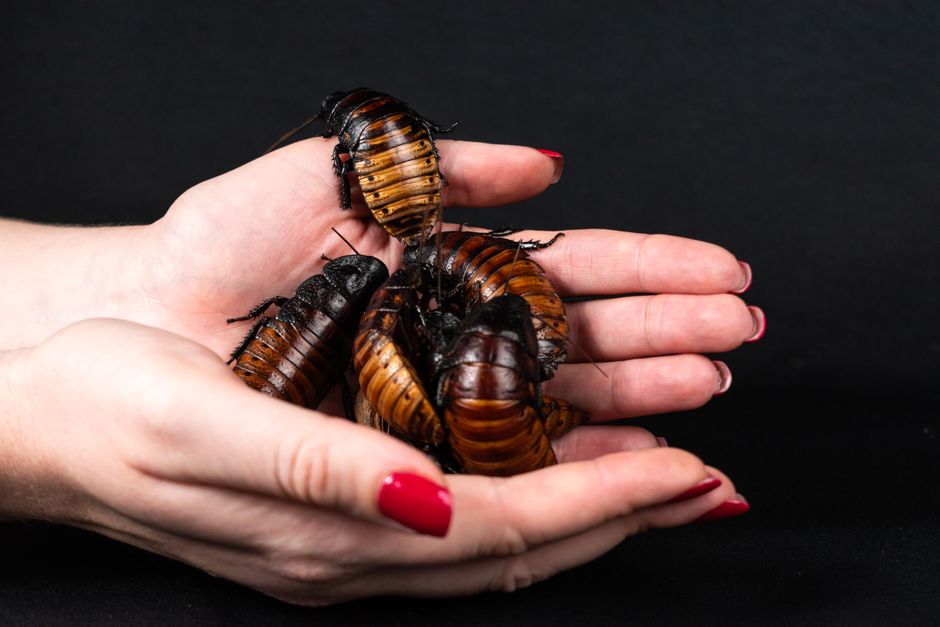
Cockroaches are bad for human health because they carry pathogens on their bodies, trigger asthma and allergies, and contaminate food and surfaces. They also reproduce quickly, which makes small problems turn into large infestations fast. The science behind why they matter is more specific than most people realize.
Why Are Cockroaches Bad? The Core Reasons
Cockroaches are not just unpleasant to look at. They are a documented public health concern, and the reasons fall into three main categories.
First, they mechanically carry disease-causing organisms. Cockroaches move through sewers, drains, garbage, and decaying matter, then walk across food, dishes, and countertops. Bacteria and other microbes cling to their legs and bodies and get deposited wherever they travel.
Second, they produce allergens that are a well-established cause of asthma symptoms, especially in children and in people living in crowded or substandard housing. This is arguably the most medically significant problem cockroaches cause, and it gets far less attention than the “germs on their feet” angle.
Third, they contaminate food and surfaces and can produce unpleasant odors. Large infestations leave behind droppings, shed skins, and egg cases that worsen indoor air quality and hygiene.
What Diseases Can Cockroaches Spread?
Cockroaches have been found to carry bacteria associated with several gastrointestinal and other infections. The key word is carry. Carrying a pathogen on the body is not the same as transmitting an infection to a person, and that distinction matters.
Studies have isolated organisms such as Salmonella, E. coli, and other enteric bacteria from cockroaches collected in homes and hospitals. Some research has also detected fungi and parasites on their bodies. What this shows is that cockroaches can act as mechanical vectors, meaning they transport microbes from one place to another without the microbe reproducing inside them.
What is less clear is how often cockroach contamination actually causes human illness. Documented outbreaks traced directly to cockroaches are uncommon, and proving cause and effect is difficult because food and surfaces have many contamination routes. Public health authorities treat cockroaches as a hygiene risk worth controlling, but the direct disease burden is not well quantified.
A fair summary: cockroaches are capable of spreading pathogens, the risk is real but not precisely measured, and the strongest documented health harm is allergy and asthma rather than infection.
How Do Cockroaches Trigger Asthma and Allergies?
Cockroach allergens are among the most important indoor allergens linked to asthma, particularly in urban and low-income housing. This is well established in the medical literature.
The allergens come from cockroach saliva, feces, shed skins, and body parts. As these materials break down, proteins become airborne in house dust. When a sensitized person inhales them, the immune system reacts.
Exposure is linked to:
- Wheezing and cough, especially at night
- Increased asthma symptoms and more frequent attacks
- Allergic rhinitis, with sneezing and runny nose
- Skin reactions in some sensitive people
Children appear particularly vulnerable. Research has associated cockroach sensitization with more severe asthma and more emergency visits in children living in infested homes. Allergy testing can identify cockroach sensitivity, and reducing exposure is a recognized part of asthma management.
Here is the non-obvious point: you do not need to see live cockroaches to be exposed to their allergens. Dust from droppings and shed fragments can persist long after the visible insects are gone, which is why cleanup matters as much as extermination.
Are Cockroaches Dangerous or Just Gross?
Both, but the danger is real and specific. Cockroaches are not typically life-threatening, and most people who encounter them will not get sick. The risk concentrates in certain groups and situations.
People at higher risk include those with asthma or allergies, young children, older adults, and anyone with a weakened immune system. The risk also rises with heavy infestations and with poor sanitation, where cockroaches have more contact with food and surfaces.
For most healthy adults, an occasional cockroach is a nuisance rather than a health threat. For a child with asthma in a heavily infested apartment, the same insect is a genuine medical problem. Context changes the answer.
Why Do Cockroaches Spread So Quickly?
Cockroaches reproduce efficiently, which is why ignoring a few can lead to a large population. A single female German cockroach, the most common indoor species, can produce multiple egg cases in her lifetime, each holding dozens of eggs.
They also hide well. Cockroaches are nocturnal and prefer dark, warm, moist spaces near food and water, such as behind appliances, under sinks, and inside cabinets. By the time you see one in daylight, the population is often already established.
This is why early action matters. The longer an infestation goes untreated, the more allergens accumulate and the harder control becomes.
How Can You Reduce Cockroach Problems at Home?
Control combines removing what cockroaches need with reducing their numbers. The evidence for these steps is practical and widely accepted in pest management.
- Remove food and water sources. Store food in sealed containers, clean crumbs and spills, fix leaks, and do not leave pet food out overnight.
- Reduce clutter and hiding spots. Seal cracks, caulk gaps around pipes, and declutter storage areas.
- Clean thoroughly. Vacuum and wipe surfaces to remove droppings, shed skins, and allergen-containing dust.
- Use baits and traps appropriately. Gel baits and bait stations are common first-line tools. Follow label directions carefully.
- Consider professional help for large infestations. Persistent or heavy infestations often need a licensed pest control professional.
For households with asthma or allergy sufferers, allergen reduction deserves equal priority to killing the insects. Cleaning up residual dust and debris is part of the health response, not just the pest response.
Pesticides should be used according to their labels, kept away from children and pets, and never applied in ways the product does not specify. If you are pregnant or have young children, consult a professional before using chemical treatments indoors.
Do Cockroaches Bite or Sting?
Cockroaches do not sting, and they rarely bite humans. They are not blood feeders like bedbugs or mosquitoes. Bites are uncommon and usually happen only in severe infestations where food is scarce.
The main harm comes from contamination and allergens, not from direct contact with the insects themselves.
Frequently Asked Questions
Can cockroaches make you sick?
Yes, they can carry bacteria and other microbes on their bodies and contaminate food and surfaces. The strongest documented health link, however, is to asthma and allergies rather than direct infection.
Do cockroaches cause asthma?
Cockroach allergens are a well-established trigger for asthma symptoms and are linked to more severe asthma, especially in children. They do not cause asthma in the sense of creating the disease, but they can provoke and worsen it.
How do you get rid of cockroaches in your house?
Remove food and water sources, seal hiding spots, clean thoroughly to reduce allergens, and use baits or traps according to label directions. Large infestations often need a licensed pest control professional.
Are cockroaches harmful if you don’t touch them?
Yes, because the main risks come from contaminated surfaces and airborne allergens rather than direct contact. Dust from droppings and shed skins can affect sensitive people even without touching the insects.
