
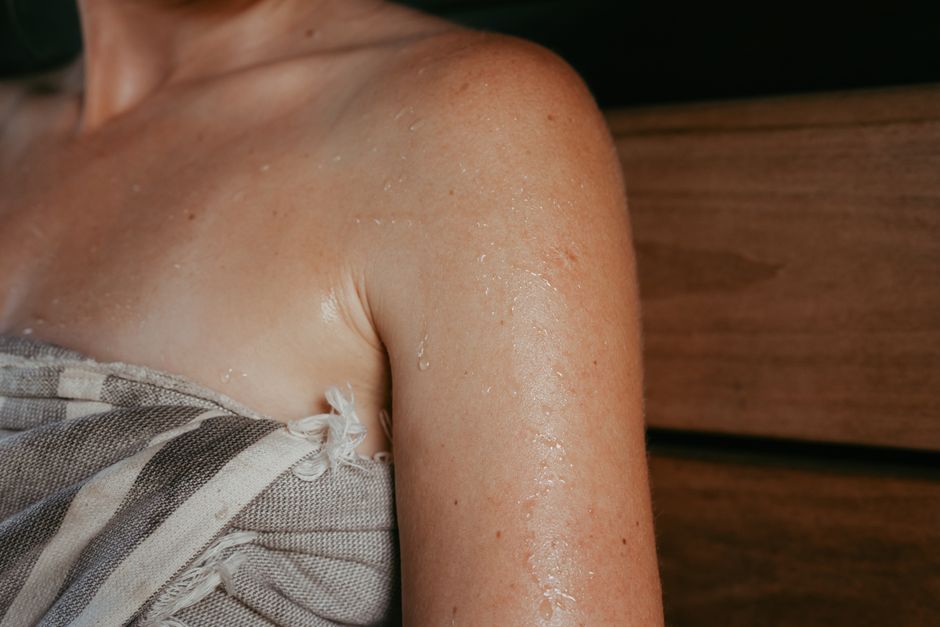
Waking up drenched, with your pajamas stuck to your back and the sheets damp, is more common than most people realize. Night sweats are not just a sign that your bedroom is too warm. They are heavy sweating episodes that soak your clothes and bedding, and they happen for a specific set of reasons. Sometimes the cause is simple and easy to fix. Other times it points to a medical condition that needs attention.
What Counts as Night Sweats?
Night sweats are different from ordinary sweating on a hot night. The defining feature is drenching — sweat heavy enough to soak through your clothes and sheets, often while the room is comfortably cool.
Everyone sweats during sleep to some degree. Body temperature naturally drops at night as part of the sleep cycle, and sweating helps regulate that. That normal process is not what doctors mean by night sweats. The clinical term is sleep hyperhidrosis, and it describes repeated episodes of excessive sweating during sleep that disrupt rest or soak bedding.
Doctors take night sweats more seriously when they come with other symptoms. Unexplained weight loss, fever, or a persistent cough alongside night sweats changes the picture and usually prompts testing. On its own, night sweats are common and often harmless. Paired with those other signs, they deserve a medical workup.
Why Am I Sweating So Much When I Sleep? The Reason
The reason you sweat heavily at night usually comes down to one of three things: your body is trying to dump heat, your hormones are signaling your sweat glands, or an underlying condition is disrupting your body’s temperature control.
Sweating is controlled by the autonomic nervous system, the part of your nervous system that runs in the background. When your core temperature rises even slightly, or when certain chemical signals reach your sweat glands, they activate. At night this system can misfire for many reasons.
Most cases fall into a few broad categories. Environmental and lifestyle causes are the most common and the easiest to correct. Hormonal shifts are the next big group, especially in women going through perimenopause and menopause. A smaller but important group involves medical conditions, including infections, cancers, and endocrine disorders. Medications are another frequent trigger that people often overlook.
One detail worth knowing: the temperature of your bedroom matters less than you might think. If night sweats are caused by hormones or an underlying illness, you can sweat heavily even in a cold room. Turning down the thermostat helps only when heat is the actual driver.
What Hormonal Changes Cause Night Sweats?
Hormonal shifts are among the most common causes of night sweats, particularly in women approaching menopause. Changing estrogen levels affect the hypothalamus, the part of the brain that regulates body temperature. When those levels fluctuate, the hypothalamus can misread your body as too warm and trigger a full cooling response — flushing and heavy sweating.
This is the same mechanism behind hot flashes. Hot flashes and night sweats are closely related, and many women experience both. They can start years before periods stop completely, during a phase called perimenopause, and they often continue after menopause.
Men can also have hormonal night sweats, though it is less common. Low testosterone can affect temperature regulation in some men. Thyroid problems fall into this category too. An overactive thyroid speeds up metabolism and can cause sweating both day and night, often along with a fast heartbeat, weight loss, and feeling unusually warm.
Pregnancy is another hormonal state that commonly brings night sweats. The reasons are not fully understood, but shifting hormones and increased blood flow are likely involved.




What Medical Conditions Cause Night Sweats?
A range of medical conditions can cause night sweats, and this is why persistent, unexplained episodes deserve a doctor’s attention. The list is long, but a few categories come up most often.
- Infections. Tuberculosis is the classic cause, but other infections can do it too. Endocarditis, an infection of the heart lining, and some bone infections are known triggers. HIV and other chronic infections can also cause night sweats.
- Cancers. Lymphoma is the cancer most associated with night sweats. Leukemia and some other cancers can cause them as well. Night sweats from cancer usually come with other signs like unexplained weight loss, fever, or swollen lymph nodes.
- Endocrine disorders. An overactive thyroid and, less commonly, diabetes-related low blood sugar at night can trigger sweating.
- Autoimmune conditions. Some inflammatory diseases are linked to night sweats.
- Sleep disorders. Obstructive sleep apnea is a frequently missed cause. The effort of breathing against a blocked airway can trigger sweating.
This does not mean night sweats usually signal cancer. They do not. Most cases have a far more ordinary explanation. The point is that when night sweats are persistent and unexplained, a doctor can help sort out which category you fall into.
Can Medications and Substances Cause Night Sweats?
Yes, and this is one of the most overlooked causes. Many common medications list sweating as a side effect. If night sweats started after a new prescription, that timing is worth mentioning to your doctor.
Medications often linked to sweating include certain antidepressants, particularly SSRIs and SNRIs, along with some pain relievers, hormone therapies, and diabetes medications. Niacin, a form of vitamin B3 used to manage cholesterol, is well known for causing flushing and sweating.
Substances play a role too. Alcohol is a common trigger — it widens blood vessels and can raise skin temperature, which promotes sweating during sleep. Drinking heavily in the evening makes night sweats more likely for many people. Caffeine and spicy foods can contribute as well, though the effect varies from person to person.
If you suspect a medication is the cause, do not stop taking it on your own. Talk to your prescriber, who can adjust the dose or switch to a different option.
When Should You See a Doctor About Night Sweats?
See a doctor if night sweats are frequent, soak your bedding, or happen alongside other symptoms. Occasional night sweats after a hot day or a heavy meal are usually nothing to worry about. Recurring episodes that disrupt your sleep or drench your sheets are a different matter.
Pay particular attention if night sweats come with any of these:
- Unexplained weight loss
- Fever or chills
- A persistent cough or difficulty breathing
- Swollen lymph nodes
- Pain anywhere in the body
- Night sweats that started after a new medication
Any of these combinations is a reason to get checked rather than wait. A doctor will usually start with a history and physical exam, then order blood tests or imaging if something needs a closer look. The goal is to rule out serious causes and identify treatable ones.
What Can You Do About Night Sweats?
What you can do depends on the cause. If the trigger is environmental or lifestyle-related, simple changes often help. If it is hormonal or medical, treating the underlying cause is the real solution.
Practical steps that may reduce episodes include keeping the bedroom cool, choosing breathable bedding and moisture-wicking sleepwear, and limiting alcohol and caffeine in the evening. These measures address comfort and heat-related triggers. They will not stop night sweats driven by hormones or illness, but they can make episodes less frequent or less disruptive.
For hormonal night sweats, some women find relief through treatments their doctor can discuss, including hormone therapy and certain non-hormonal options. Whether these are appropriate depends on your health history, so this is a conversation to have with a clinician rather than a decision to make alone.
If a medication is the culprit, adjusting it under medical supervision may resolve the problem. If an underlying condition like sleep apnea or a thyroid disorder is found, treating that condition typically addresses the sweating.
There is no single fix that works for everyone, because night sweats are a symptom rather than a disease. The right approach follows from the right diagnosis.
Frequently Asked Questions
Are night sweats a sign of cancer?
Night sweats can be a symptom of some cancers, most notably lymphoma, but most cases have other causes. They are far more often linked to hormones, infections, medications, or environmental factors.
What is the most common cause of night sweats?
Hormonal changes, especially around menopause, are among the most common causes in women. In the general population, environmental heat, medications, and alcohol are also frequent triggers.
Can stress cause night sweats?
Stress and anxiety can increase sweating by activating the nervous system, though drenching night sweats are less typical of stress alone. Persistent heavy night sweats usually point to another cause worth evaluating.
When should I worry about night sweats?
You should see a doctor if night sweats are frequent, soak your bedding, or come with weight loss, fever, or a persistent cough. These signs warrant a medical evaluation to rule out serious causes.
