
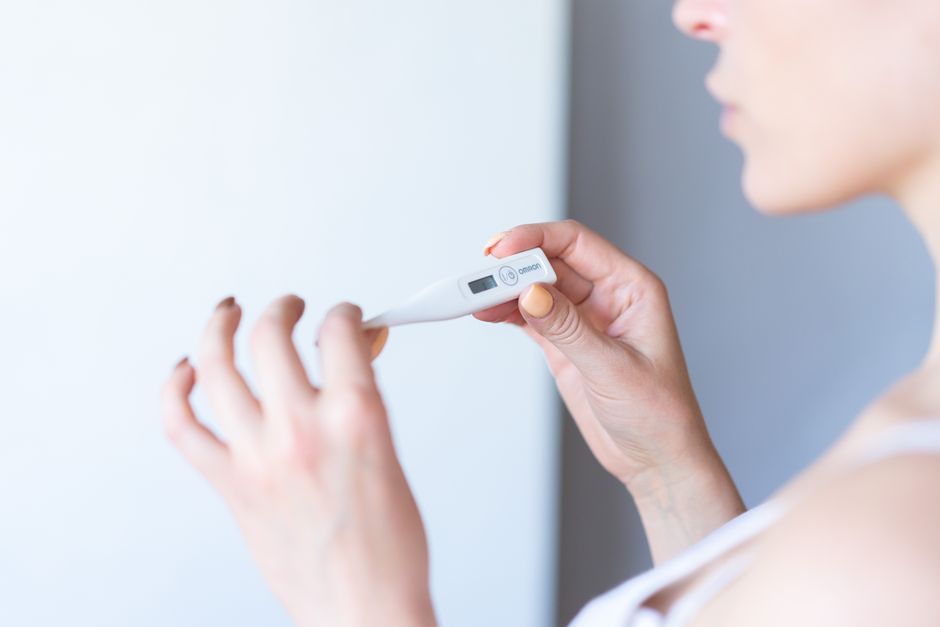
Sweating without a fever is usually your body’s cooling system doing its job — or overreacting to a normal trigger. Body temperature is controlled by the hypothalamus, a small region in the brain that signals sweat glands when you get warm. A fever is a separate response, driven by the immune system raising your body’s internal set point. When you sweat but have no fever, the cause is usually something other than infection: your environment, your hormones, your blood sugar, your nervous system, or a medication you take.
Why Am I Sweating But No Fever Common Causes?
The most common reasons split into a few broad groups: heat and exertion, hormone shifts, blood sugar changes, anxiety, and medication effects. Most of these are not dangerous on their own. Some point to a condition worth checking.
Start with the simplest explanation. If you were active, in a warm room, or wearing heavy clothing, sweating is expected. Your body produces sweat to release heat through evaporation. No fever is needed for this. Fever means your internal set point has been raised, usually by infection. Sweating from heat or exercise happens at a normal set point.
If the sweating is unexpected — happening at rest, at night, or in cool conditions — the list of possible causes narrows toward internal triggers.
Hormonal shifts are a frequent cause in adults between 35 and 65. This includes perimenopause and menopause in women, where changing estrogen levels affect the hypothalamus and its temperature regulation. Thyroid problems can also cause sweating. An overactive thyroid speeds up metabolism and heat production, which can lead to sweating even in cool settings.
Blood sugar is another common trigger. When blood sugar drops too low — a condition called hypoglycemia — the body releases adrenaline, which can cause sweating, shakiness, and a racing heart. This is especially relevant for people with diabetes who take insulin or certain medications.
Anxiety and stress activate the sympathetic nervous system, the branch that controls your fight-or-flight response. That system also controls sweat glands. This is why palms get clammy during stressful moments. For some people, this response is exaggerated or triggered without an obvious stressor.
What Is the Difference Between Sweating and a Fever?
Sweating and fever are two different processes that can look similar but work in opposite directions.
A fever happens when the hypothalamus raises your body’s target temperature. The immune system releases chemicals called pyrogens during infection or inflammation. These chemicals tell the hypothalamus to set a higher temperature. You feel cold and may shiver until your body reaches that new set point. Once the fever breaks, the set point drops back to normal, and you sweat to release the extra heat.
Sweating without a fever means your set point is normal, but something else is activating your sweat glands. That something could be heat, hormones, stress, low blood sugar, or a medication.
This distinction matters because it changes where you look for the cause. Fever points toward infection or inflammation. Sweating without fever points toward other systems.
One clarification worth knowing: night sweats are not the same as feeling hot at night. True night sweats soak your clothing or bedding and happen regardless of room temperature. If you wake up damp but your sheets are dry, that is usually just a warm sleep environment, not a medical night sweat.
Can Hormones Cause Sweating Without a Fever?
Yes. Hormonal causes are among the most frequent reasons adults sweat without a fever.
In women, the transition through perimenopause and menopause commonly brings hot flashes and night sweats. These happen because falling estrogen levels affect the hypothalamus, making it more sensitive to small changes in body temperature. The result is a sudden feeling of heat, flushing, and sweating — with no fever involved. Hot flashes can start years before periods stop and can continue for years after.
In men, testosterone levels decline gradually with age, but this decline is not typically a direct cause of sweating the way menopause is in women. However, men can have hormonal causes too, mainly thyroid problems.
The thyroid gland sits in the neck and controls how fast your body uses energy. When it is overactive — a condition called hyperthyroidism — the body produces more heat, and sweating increases. Other signs include a fast heart rate, unintentional weight loss, and feeling warm when others are comfortable. An overactive thyroid is diagnosed with blood tests, and it is treatable.
Diabetes and low blood sugar also involve hormones. When blood sugar drops, the body releases adrenaline and other stress hormones. Adrenaline triggers sweating. This is more common in people who use insulin or certain diabetes medications, but it can happen for other reasons too.
Can Anxiety and Stress Cause Sweating Without a Fever?
Anxiety is a well-established cause of sweating without fever. The mechanism is direct.
Your sweat glands are controlled by the sympathetic nervous system. When you feel anxious or stressed, this system activates. It releases adrenaline and acetylcholine, which signal sweat glands to produce sweat. This happens most noticeably on the palms, soles, and underarms — areas with the highest concentration of sweat glands.
For some people, this response is normal but inconvenient. For others, it is excessive. A condition called hyperhidrosis causes sweating far beyond what is needed for cooling. It often affects the hands, feet, underarms, or face. Hyperhidrosis is not dangerous, but it can affect daily life and social comfort. Treatments exist, including antiperspirants, medications, and procedures, though results vary and no option works for everyone.
Panic attacks are a more intense version of this stress response. They can cause sudden heavy sweating along with a racing heart, shortness of breath, and a feeling of dread. Panic attacks are not dangerous, but they can feel overwhelming and often benefit from professional support.
Which Medications and Conditions Cause Sweating?
Many medications list sweating as a side effect. This is not a rare reaction.
Common categories include:
- Antidepressants, especially selective serotonin reuptake inhibitors (SSRIs)
- Pain medications that affect the nervous system, such as opioids
- Hormone treatments, including tamoxifen and some forms of hormone therapy
- Diabetes medications that can lower blood sugar
- Thyroid medications when the dose is too high
If you started a new medication and noticed increased sweating, that timing is worth mentioning to your doctor. Do not stop a prescribed medication on your own.
Beyond medications, several medical conditions can cause sweating without fever:
- Hyperthyroidism — an overactive thyroid increases heat production
- Hypoglycemia — low blood sugar triggers adrenaline and sweating
- Diabetes — blood sugar swings can cause sweating episodes
- Infections — some infections cause night sweats without a measurable fever, including tuberculosis and some other chronic infections
- Some cancers — lymphoma and certain other cancers can cause night sweats, often along with unexplained weight loss and fatigue
- Autonomic nervous system disorders — conditions that affect nerve control of sweating
This list is not meant to alarm. Most sweating without fever has a benign cause. But persistent night sweats — especially with weight loss, fatigue, or a feeling of being unwell — should be checked by a doctor.
When Should Sweating Without a Fever Be Checked by a Doctor?
Most sweating without fever does not need medical attention. But certain patterns do.
See a doctor if you have:
- Night sweats that soak your bedding or clothing
- Sweating that happens at rest or in cool conditions without an obvious trigger
- Sweating along with unexplained weight loss
- Sweating with a fast heart rate, chest pain, or shortness of breath
- Sweating with confusion, dizziness, or fainting
- Sweating that started after a new medication
- Sweating that interferes with daily life or causes distress
Your doctor will likely ask about timing, triggers, medications, and other symptoms. Blood tests can check thyroid function, blood sugar, and other markers. In many cases, the cause is found quickly. In others, the cause remains unclear, and the focus shifts to managing symptoms.
One point that often gets missed: the pattern of sweating matters as much as the sweating itself. Sweating that happens only at night, only after eating, or only during stressful situations points in different directions. Paying attention to when it happens gives your doctor useful information.
What Helps Reduce Sweating Without a Fever?
What helps depends on the cause. There is no single fix.
If heat or exertion is the trigger, cooling down and staying hydrated usually resolves it. If anxiety is the trigger, stress management techniques — such as breathing exercises, regular physical activity, and counseling — can reduce episodes. For hormone-related sweating, some people find relief with lifestyle adjustments, and some prescription treatments are available, though effectiveness varies.
For medication-related sweating, a doctor may adjust the dose or switch medications. Never make that change on your own.
For hyperhidrosis, treatment options include prescription antiperspirants, oral medications, and procedures such as Botox injections or surgery in severe cases. These treatments are not guaranteed to eliminate sweating, and each has trade-offs.
General measures that may help include:
- Wearing breathable fabrics and light layers
- Keeping your environment cool
- Avoiding known triggers such as spicy foods, alcohol, and caffeine if they worsen symptoms
- Using clinical-strength antiperspirants if recommended by a doctor
No single approach works for everyone. The right plan depends on what is causing the sweating in the first place.
Frequently Asked Questions
Why am I sweating but have no fever?
Sweating without a fever usually means your body’s cooling system is responding to heat, hormones, stress, blood sugar changes, or a medication rather than an infection. A fever involves a raised internal set point, which is a different process. If sweating is persistent or happens at night, it is worth checking with a doctor.
Can anxiety cause sweating without a fever?
Yes. Anxiety activates the sympathetic nervous system, which directly controls sweat glands. This can cause sweating on the palms, soles, and underarms even when you are not hot. Panic attacks can cause sudden heavy sweating along with a racing heart.
What causes night sweats without a fever?
Common causes include hormonal changes such as perimenopause, medications, low blood sugar, and anxiety. Less commonly, night sweats can be a sign of an underlying condition such as an infection or, rarely, certain cancers. Night sweats that soak your bedding should be evaluated by a doctor.
Is sweating without a fever a sign of diabetes?
It can be. Low blood sugar — often from diabetes medications — triggers adrenaline release, which causes sweating, shakiness, and a fast heartbeat. If you have diabetes and notice these symptoms, check your blood sugar and talk to your doctor.
