
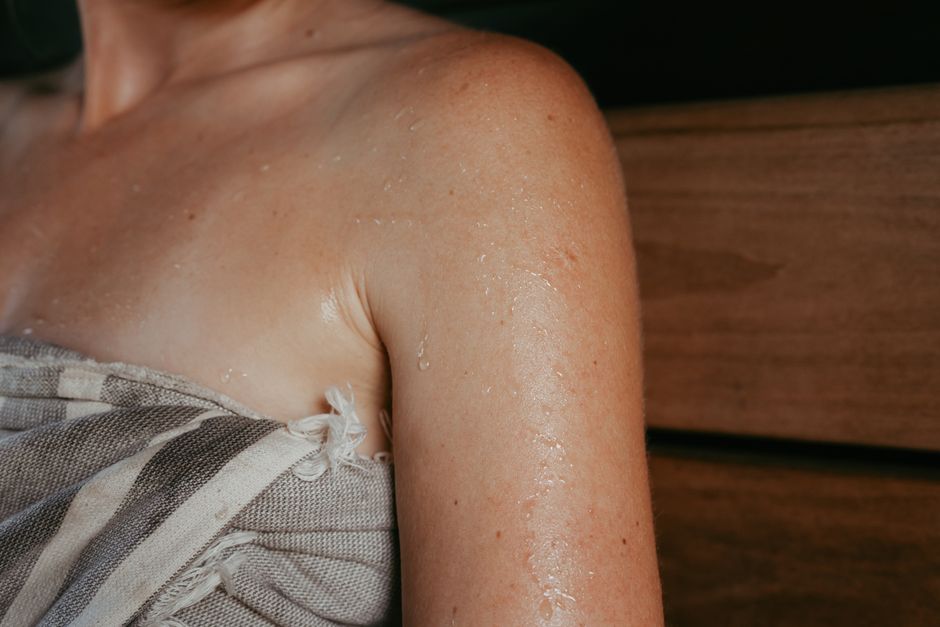
Feeling drenched after an illness has passed is more common than most people realize. Sweating after being sick usually means your body is still resetting its temperature control system, not that the infection has returned. Your immune system raised your body temperature to fight the illness, and once that fight ends, your body has to release the extra heat it built up. That release happens through sweat.
The tricky part is that this can continue for days, sometimes longer, and it can look alarming when you feel otherwise fine. What follows explains why it happens, when it is normal, and when it deserves a doctor’s attention.
Why Am I Sweating After Being Sick?
Sweating after illness is your body finishing the job of cooling down. During an infection, your immune system releases chemicals called pyrogens that tell your brain to raise your core temperature. That is a fever, and it is a deliberate defense, not a malfunction.
When the infection fades, those pyrogen signals drop. Your brain’s thermostat, located in a region called the hypothalamus, resets to its normal set point. But your body is now hotter than that new target. So it does what it always does when you are too warm: it sweats to release heat through evaporation.
This is the same mechanism behind night sweats during a fever breaking. The sweating is not a new problem. It is the cleanup phase.
Several other factors can add to it:
- Dehydration from illness makes sweat feel heavier and more noticeable
- Fever-reducing medications like acetaminophen or ibuprofen can trigger sweating as they bring temperature down
- Your body used a lot of energy fighting the infection, and metabolic activity stays elevated briefly afterward
- Sleep disruption during illness can affect how your body regulates temperature at night
None of these are dangerous on their own. They are the normal tail end of an immune response.
How Long Does Sweating After Illness Usually Last?
Most people notice it settling within a few days. For some, it can linger one to two weeks, especially after a more severe illness or one that caused a high fever.
The timeline depends on how long you had a fever and how high it got. A short, mild fever tends to leave behind short-lived sweating. A longer illness with sustained high fever can leave your temperature regulation feeling off for longer.
What matters more than the exact number of days is the direction. Sweating that is gradually decreasing is normal recovery. Sweating that is getting worse, or that starts fresh after you felt better, is worth mentioning to a doctor.
It is also worth knowing that your body’s temperature control can be temporarily less precise after illness. You might feel chilled and then overheated in the same hour. That swing is usually not a sign of anything serious.
Is Sweating After Being Sick a Sign the Infection Is Coming Back?
Usually, no. Recurring sweating is far more often a sign of recovery than relapse.
That said, a return of fever along with sweating is a different situation. If your temperature goes back up after being normal for a day or more, that can indicate a secondary infection or a complication. This is more common after certain illnesses, including some respiratory infections, and it deserves medical evaluation.
Signs that point toward something other than normal recovery include:
- Fever returning after it had clearly broken
- Sweating that is severe enough to soak sheets repeatedly, night after night
- Weight loss you did not intend
- Sweating accompanied by new or worsening cough, pain, or fatigue
- Swollen lymph nodes that are not shrinking
These do not confirm a specific diagnosis. They simply mean a doctor should take a look. Persistent night sweats have many possible causes, and identifying the right one requires an exam and sometimes testing.
What Causes Night Sweats After Being Sick Specifically?
Night sweats after illness are the same cooling process, just concentrated during sleep. Body temperature naturally dips in the early morning hours as part of your daily rhythm. When your thermostat is still recalibrating, that dip can trigger a stronger cooling response than usual.
Sleep also changes how you sense temperature. You are less aware of gradual warming while asleep, so the sweating can build up before you notice it. That is why you may wake up soaked rather than feeling hot first.
Certain medications commonly taken during illness can make night sweats more likely. Fever reducers, some cough medicines, and in some cases antibiotics can all affect sweating. If night sweats started around the same time as a new medication, that timing is worth noting for your doctor.
For most people recovering from a routine infection, night sweats fade within one to two weeks. If they persist beyond that, it is reasonable to check in with a clinician.
When Should Sweating After Illness Worry You?
Sweating that comes with certain other symptoms needs prompt medical attention. The sweating itself is rarely the main concern. The pattern around it is what matters.
Seek care if you have:
- A fever that returns after breaking, or a fever above 103°F (39.4°C)
- Chest pain, shortness of breath, or a rapid heartbeat
- Confusion, stiff neck, or severe headache
- Sweating with unexplained weight loss
- Night sweats lasting more than a few weeks
- Symptoms that improve and then clearly worsen
These signs do not point to one condition. They are simply reasons to let a clinician assess what is going on. Some of them can indicate serious problems, and waiting is not helpful.
For infants, young children, pregnant people, and anyone with a weakened immune system, the threshold for checking in should be lower. Established guidance for these groups tends to be more cautious because their temperature regulation and immune responses can behave differently.
What Helps You Recover Faster From Post-Illness Sweating?
Rehydration is the most useful thing you can do. Sweating pulls water and electrolytes out of your body, and replacing them supports normal temperature regulation.
Water is fine for most people. If you have been sweating heavily or had vomiting or diarrhea, an oral rehydration solution can help replace sodium and potassium more effectively than water alone. These are widely available and their use is well established for fluid loss.
Other practical steps that support recovery:
- Keep your room cool and wear light layers you can remove
- Change out of damp clothing so you do not get chilled
- Rest more than usual until sweating settles
- Avoid alcohol and heavy caffeine while your body is still recalibrating
- Eat lightly if your appetite is still low, and focus on fluids first
There is no medication that specifically stops post-illness sweating. It resolves on its own as your temperature control returns to normal. Products marketed to “balance” sweating after illness have no clinical evidence behind them.
One thing worth knowing: forcing yourself to sweat more, through hot baths or heavy blankets, does not speed recovery. It can make dehydration worse. The goal is to let your body cool naturally, not to push it further.
Does Sweating Mean Your Body Is Detoxing?
No. Sweat does not remove toxins in any meaningful way. This is one of the most persistent myths about sweating.
Sweat is mostly water with small amounts of sodium, chloride, potassium, and urea. Your liver and kidneys handle the removal of waste products from your body. Sweat glands are not a detox pathway.
That does not make sweating pointless. It is essential for temperature control, and it is doing exactly what it should after an illness. But framing it as cleansing the body is inaccurate and can lead people to pursue unnecessary treatments like saunas or supplements marketed for detox.
If you are sweating after being sick, the honest explanation is simple: your body is cooling down and recalibrating. That is it.
Frequently Asked Questions
How long does sweating last after being sick?
Most people notice it fading within a few days, though it can last one to two weeks after a more severe illness. Sweating that is gradually decreasing is a normal part of recovery.
Why do I sweat at night after being sick?
Body temperature naturally dips during sleep, and a thermostat that is still resetting can trigger a stronger cooling response. This is why night sweats often appear even after daytime symptoms improve.
Can sweating after illness mean the infection came back?
Sweating alone does not suggest a returning infection, but a fever that comes back after breaking does. If your temperature rises again after being normal, see a doctor.
Is it normal to sweat heavily for a week after a fever?
It can be normal, especially after a high or long-lasting fever. If heavy sweating continues past two weeks or comes with weight loss or worsening symptoms, get evaluated.
