
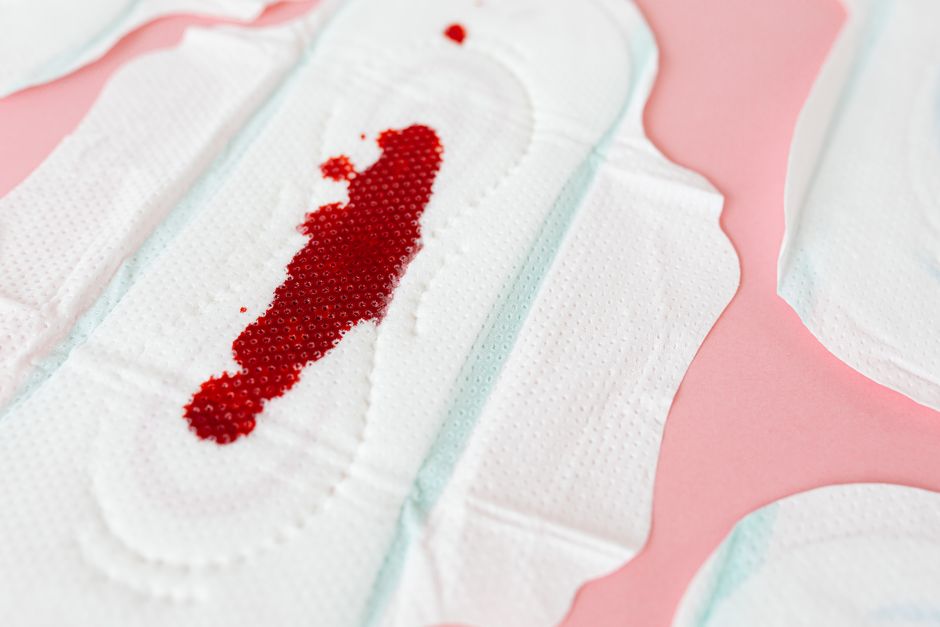
If you have been spotting for a week or longer, the most likely reason is a hormonal imbalance, often linked to your menstrual cycle, ovulation, or the type of birth control you use. Spotting that lasts this long is not normal for most people, and it is your body signaling that something is off with your hormone levels. While it is often not an emergency, it does deserve attention to figure out the root cause.
What Causes Spotting That Lasts More Than a Week?
Hormonal imbalances are the most common reason for prolonged spotting. Your menstrual cycle depends on a careful dance between estrogen and progesterone. When these hormones are out of sync, the lining of your uterus may shed irregularly. This can result in light bleeding that drags on for days or even weeks.
Several specific situations can cause this. Perimenopause, the years leading up to menopause, is a major cause. During this time, estrogen levels rise and fall unpredictably. The American College of Obstetricians and Gynecologists notes that irregular bleeding is very common in women over 40. Birth control methods, especially hormonal IUDs, implants, or the mini-pill, are another frequent cause. It can take three to six months for your body to adjust, and spotting is the most common side effect during that time.
Other causes include thyroid disorders, polycystic ovary syndrome (PCOS), and uterine fibroids or polyps. Stress, significant weight changes, and even some medications can also disrupt your cycle. Less commonly, spotting can be a sign of an infection or a precancerous condition, which is why persistent spotting should always be checked.
How Is Prolonged Spotting Different From a Normal Period?
A normal period lasts between three and seven days. The flow is typically heavy enough to require a pad or tampon for at least a couple of days. Spotting, by contrast, is very light bleeding. You might only notice it when you wipe, or it might be light enough to only require a panty liner.
If you are bleeding for more than seven days, it is medically defined as prolonged bleeding. The color of the blood can also offer clues. Spotting that is brown or dark red often means the blood is old and has taken longer to leave your body. Bright red spotting might indicate fresh bleeding. Neither color is automatically more concerning, but the duration is the key factor.
Here is a quick comparison of spotting and a normal period:
| Feature | Normal Period | Prolonged Spotting |
|---|---|---|
| Duration | 3 to 7 days | More than 7 days |
| Flow | Moderate to heavy | Very light |
| Color | Bright to dark red | Often brown or pink |
| Protection Needed | Pads or tampons | Pantyliner often enough |
When Should You See a Doctor for Spotting?
You should see a doctor if your spotting lasts longer than one week. This is the most direct guideline. You should also make an appointment if you have spotting between periods more than three cycles in a row. The National Institutes of Health recommends evaluation for any bleeding that is abnormal for you.
Certain symptoms require immediate medical attention. Go to an emergency room or urgent care if you have heavy bleeding that soaks through a pad every hour for two hours. Also seek help if you have severe pelvic pain, dizziness, or if you feel faint. These could be signs of an ectopic pregnancy or a significant hemorrhage.
If you are pregnant and spotting, contact your doctor right away. Spotting in early pregnancy can be normal, but it can also be a sign of a miscarriage or an ectopic pregnancy. Your doctor will need to do an ultrasound and blood tests to rule out these serious conditions.





What Tests Will a Doctor Run for Prolonged Spotting?
The first step is usually a pregnancy test. This is standard for anyone who could be pregnant, even if you think it is unlikely. A blood test can detect pregnancy earlier and more accurately than a urine test. If you are not pregnant, the doctor will look for hormonal issues.
A blood panel will check your thyroid function and levels of estrogen, progesterone, and other hormones. A complete blood count can check for anemia, which can develop from prolonged blood loss. An ultrasound is also very common. This imaging test looks at your uterus and ovaries for fibroids, polyps, or cysts that could be causing the bleeding.
In some cases, especially if you are over 35 or have other risk factors, your doctor may recommend an endometrial biopsy. This is a procedure where a small sample of the uterine lining is taken and examined under a microscope. It is used to rule out endometrial hyperplasia or cancer. Research published in Obstetrics & Gynecology shows that this biopsy is the gold standard for diagnosing uterine conditions.
Can Birth Control Cause Spotting for a Week?
Yes, birth control is one of the most common causes of spotting that lasts a week or longer. This is especially true for progestin-only methods like the hormonal IUD, the implant, and the mini-pill. These methods thin the uterine lining, which can lead to unpredictable, light bleeding.
Combination birth control pills that contain both estrogen and progestin can also cause spotting. This is most common in the first three months of use. Missing a pill or taking it at different times each day can trigger breakthrough bleeding. The same is true for the birth control patch and the vaginal ring.
Here are some common birth control methods and how they relate to prolonged spotting:
- Hormonal IUD (Mirena, Kyleena): Spotting is very common for the first 3-6 months. It usually decreases over time.
- Implant (Nexplanon): Irregular bleeding is the most common side effect. It can persist for many months.
- Progestin-only pill (mini-pill): Must be taken at the exact same time daily. Even a few hours late can cause spotting.
- Combination pill: Spotting often happens when starting a new pill or missing doses.
- Depo-Provera shot: Irregular bleeding is common, especially in the first year of use.
If spotting continues beyond three to six months, talk to your doctor. They may suggest switching to a different method or adding a short course of estrogen to stabilize the lining.
What Lifestyle Factors Can Prolong Spotting?
Chronic stress can directly affect your hormones. When you are stressed, your body produces more cortisol. High cortisol levels can suppress the hormones that control your menstrual cycle. This can lead to delayed ovulation, skipped periods, or prolonged spotting. A study in the Journal of Women’s Health found that women with high perceived stress were more likely to report irregular bleeding.
Significant weight changes also matter. Being significantly underweight or overweight can disrupt your hormone balance. Fat cells produce estrogen, so having too much body fat can lead to excess estrogen and irregular shedding of the uterine lining. Extreme weight loss can also shut down ovulation, causing unpredictable spotting.
Intense exercise without enough calorie intake can also cause problems. This is sometimes called the female athlete triad, where low energy availability disrupts menstrual function. If you are an endurance athlete or training very hard, your cycle may become irregular or stop entirely, often accompanied by spotting.
Frequently Asked Questions
Can stress cause spotting for a week?
Yes, chronic stress can disrupt your hormone balance and lead to prolonged spotting. High cortisol levels interfere with the hormones that regulate your menstrual cycle.
Is brown spotting for a week normal?
Brown spotting is usually old blood and is not necessarily a sign of a serious problem. However, any spotting that lasts longer than a week should be evaluated by a doctor to rule out underlying issues.
Can spotting be a sign of cancer?
In rare cases, prolonged spotting can be a symptom of endometrial or cervical cancer. This is more common in women over 35 or those with risk factors, which is why persistent spotting should always be checked.
Does spotting count as a period?
No, spotting is not a period. A period involves the shedding of the uterine lining with a heavier flow. Spotting is very light bleeding that does not require a pad or tampon for most people.
