
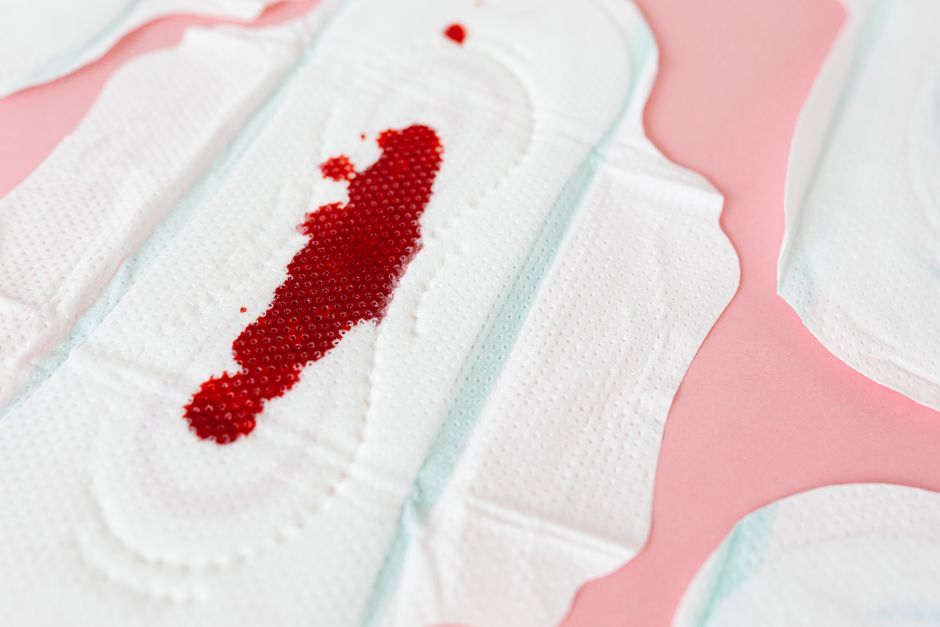
Spotting three days after your period has ended usually means a small amount of blood is still leaving the uterus after the main flow stopped. The most common reason is simply that the last of the menstrual lining is clearing out slowly, and this is normal for many people. If it keeps happening cycle after cycle, or comes with pain or a change in your usual pattern, that is when it deserves a closer look.
What Does Spotting After a Period Actually Mean?
Spotting is light bleeding — a few drops or a small smear — that is not heavy enough to need a pad or tampon. It is different from your period because of how much blood there is, not because the blood is coming from somewhere unusual.
When your period ends, the uterus has finished shedding the lining it built up during that cycle. But “finished” is not always a clean, single moment. The last bit of tissue and blood can take a day or two longer to leave. Some of it may sit in the uterus or vagina and come out later as brown or pink spotting. Brown blood is older blood that has been exposed to oxygen, which is why it looks different from the bright red of a fresh period.
So a small amount of spotting in the days right after your period is often just the tail end of the same bleed. The key question is not whether it happened once — it is whether the pattern is new, repeated, or paired with other symptoms.
Why Am I Still Spotting 3 Days After My Period?
There are several well-understood reasons why bleeding can continue or restart shortly after a period ends.
Slow clearing of the uterine lining. This is the plainest explanation. The lining does not always shed all at once, and the final portion can exit over the following days.
Hormonal shifts. Estrogen and progesterone rise and fall across your cycle. If estrogen dips lower than usual around the end of your period, the lining can become unstable and shed a little more. This is common around perimenopause, when hormone levels become less predictable.
Ovulation bleeding. Some people notice a small amount of spotting around the middle of the cycle when an egg is released. This is generally light and brief. It is not the same as bleeding right after a period, but timing can overlap in shorter cycles.
Starting, stopping, or missing hormonal birth control. Birth control pills, the patch, the ring, implants, and hormonal IUDs all change how the lining behaves. Breakthrough bleeding is a known effect, especially in the first few months of use or when a dose is missed.
An irritated cervix. The cervix can bleed easily if it is inflamed or if something touches it, such as during sex or a pelvic exam. This bleeding is usually light and short-lived.
Infection or other conditions. Infections of the cervix or uterus, polyps, fibroids, and other growths in the uterus can all cause bleeding between periods. These are not the most common cause of a single episode of light spotting, but they become more likely when bleeding is repeated or heavy.
Notice that most of these are not dangerous. The purpose of listing them is not to alarm you. It is to show that “spotting after a period” has many possible sources, and the pattern over time is what helps tell them apart.
When Is Post-Period Spotting Normal and When Is It Not?
A single episode of light spotting in the day or two after your period is common and usually not a sign of a problem. Many people see this at some point without any underlying condition.
What matters more is the pattern. The following signs are worth discussing with a clinician:
- Bleeding that happens cycle after cycle, not just once
- Spotting that gets heavier over time or turns into a full flow
- Bleeding after sex, or bleeding that starts again well after your period
- Pelvic pain, cramping, or pain during sex along with the spotting
- Unusual discharge, fever, or a bad odor
- Bleeding after menopause — this always needs medical evaluation
- Spotting while pregnant — contact a clinician promptly
Bleeding after menopause is the one item on this list that is not a “watch and see” situation. Any bleeding after menopause should be checked by a clinician. This is a widely held clinical position, and it exists because the causes range from harmless to serious, and only an exam can sort them out.





Could It Be Pregnancy or Something Else?
If there is any chance you could be pregnant, that possibility comes first. Light bleeding or spotting can happen in early pregnancy, including around the time a period would have been due. It can also be a sign of an early pregnancy problem.
If you might be pregnant and you are bleeding, contact a clinician rather than waiting to see what happens. A test and an exam can clarify what is going on. This is not a situation to manage by watching the calendar.
Beyond pregnancy, the conditions that can cause bleeding between periods include:
- Uterine fibroids — noncancerous growths in the muscle of the uterus
- Endometrial polyps — small growths in the lining of the uterus
- Infections such as cervicitis or endometritis
- Thyroid problems, which can disrupt the whole cycle
- Polycystic ovary syndrome (PCOS), which affects hormone balance and ovulation
- Perimenopause, when cycles become irregular and unpredictable
None of these can be diagnosed from symptoms alone. That is the honest limitation here. If bleeding keeps happening, the way to find out why is an exam, and sometimes imaging or a tissue sample.
How Is the Cause of Spotting Figured Out?
A clinician usually starts with your history — when the bleeding happens, how heavy it is, how long it lasts, and what else has changed. Cycle tracking helps here. Noting the dates and the amount gives a clearer picture than trying to remember later.
A pelvic exam lets a clinician look at the cervix and uterus directly. A pregnancy test is often part of the workup when it is relevant. Blood tests can check hormone levels and thyroid function. An ultrasound can show fibroids, polyps, or other structural causes.
In some cases, especially when bleeding is persistent or occurs after menopause, a sample of the uterine lining may be taken to check the tissue. This is a standard step and is done to rule out serious causes, not because something serious is assumed.
The point of testing is simple: many of these causes look identical from the outside. Only an exam and the right tests can tell them apart.
What Should You Do About It?
For a single, light episode right after your period, there is often nothing to do but note it and see whether it repeats. Tracking your cycle for a couple of months gives you real information to bring to a clinician if needed.
See a clinician if the bleeding repeats, gets heavier, comes with pain, happens after sex, or occurs after menopause. If you could be pregnant, contact a clinician promptly.
There is no home remedy that reliably stops post-period spotting, and it is worth being skeptical of anything marketed that way. The cause determines what, if anything, needs to be done. Some causes need no treatment at all. Others, like an infection or a polyp, have clear treatment options once identified. The step that matters most is finding out which situation you are in.
Frequently Asked Questions
Why am I still spotting 3 days after my period?
The most common reason is that the last of the uterine lining is clearing out slowly, which can show up as light brown or pink spotting. Repeated spotting, pain, or bleeding after sex should be checked by a clinician.
Is it normal to spot a few days after your period ends?
A single light episode is common and usually not a sign of a problem. Spotting that happens cycle after cycle or gets heavier is worth evaluating.
Can spotting after a period be a sign of pregnancy?
Yes, light bleeding can occur in early pregnancy, including around when a period would be due. If pregnancy is possible and you are bleeding, contact a clinician rather than waiting.
When should I worry about spotting between periods?
See a clinician if bleeding repeats, gets heavier, comes with pain, happens after sex, or occurs after menopause. Any bleeding after menopause needs medical evaluation.
