
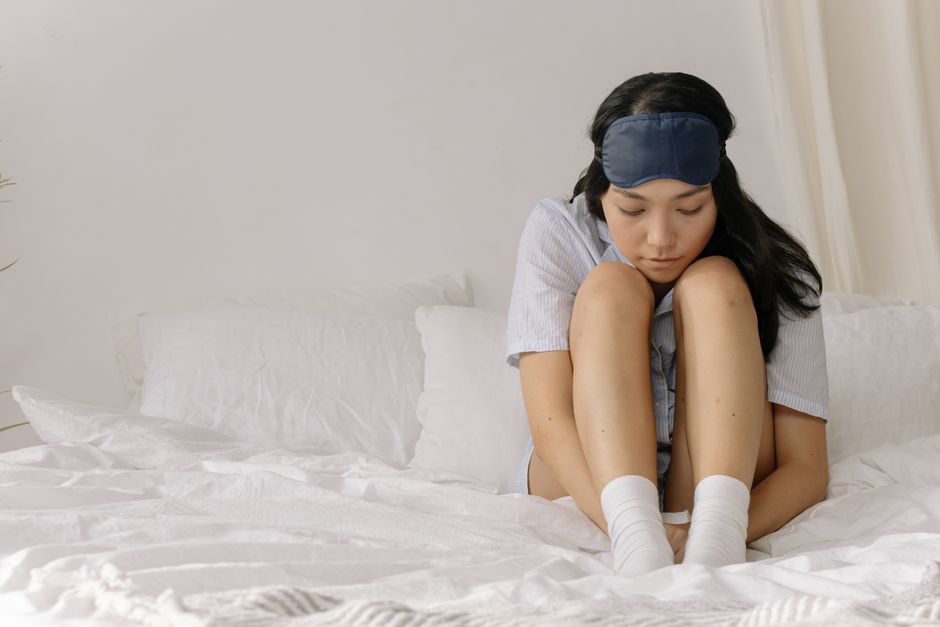
If you wake up tired even though your CPAP machine runs all night, you are not alone. The most common reasons are that the machine isn’t actually treating your breathing well, that you aren’t sleeping long enough, or that another condition is also making you sleepy. CPAP fixes one problem — it does not automatically fix every cause of daytime fatigue.
This is a real frustration for a lot of people. You did what the sleep clinic asked. You wear the mask. The machine hums along. And you still feel like you could nap at your desk by 2 p.m. That gap between “using CPAP” and “feeling rested” is worth understanding, because the fix is often specific and findable.
Why Am I Still Sleepy After Using CPAP? Common Causes
The single most important thing to know is that using a CPAP machine and being effectively treated by one are two different things. A machine can run for eight hours and still fail to keep your airway open. That is why sleep medicine looks at something called adherence and something else called efficacy — and they are not the same.
Adherence means you wear it. Efficacy means it is doing its job. You can have perfect adherence and poor efficacy. Several things can cause that:
- Mask leak. Air escaping around the edges lowers the pressure reaching your airway. It can also blow into your eyes and wake you repeatedly without you remembering it.
- Mouth leak. If you breathe through your mouth with a nasal mask, the therapy pressure leaks out. This is common and often unnoticed.
- The pressure setting is wrong for you. Too low and your airway still collapses. Settings sometimes need adjustment over time, especially with weight change.
- You are using the wrong type of machine for your condition. CPAP treats obstructive sleep apnea. It does not treat central sleep apnea, where the brain fails to signal breathing. If you have central or mixed apnea, a standard CPAP may not be the right device.
Most modern machines record leak rates, usage hours, and breathing events. Those reports are the fastest way to find out whether your therapy is actually working. Bring the data to your sleep clinician rather than guessing.
How Long Does It Take to Stop Feeling Sleepy on CPAP?
Some people feel noticeably better within the first week or two. For many others, it takes longer — often several weeks to a few months of consistent use. The timeline varies a lot between people, and that variation is real, not a sign you are doing something wrong.
There is a less obvious point here that surprises many people. Sleep apnea does not just steal sleep. Repeated drops in oxygen and repeated awakenings put stress on the body that builds up over years. Recovery is not instant. Some of the daytime sleepiness improves quickly, while other effects take more time.
What matters most in that early period is consistency. Using the machine for part of the night, or skipping nights, tends to blunt the benefit. Clinical guidance generally emphasizes using it for the full sleep period rather than a few hours.
If you have used it consistently for a couple of months and feel no better at all, that is a signal to look for a second cause rather than to keep waiting.
Can You Have Sleep Apnea and Another Sleep Problem at the Same Time?
Yes, and this is one of the most under-recognized reasons people stay sleepy on CPAP. Treating sleep apnea does not remove other sleep disorders that were there all along. Once the apnea is controlled, the remaining problem becomes visible.
Conditions that commonly overlap with sleep apnea include:
- Insomnia. Trouble falling or staying asleep is common in people with apnea, and CPAP does not treat insomnia.
- Restless legs syndrome. An urge to move the legs, usually worse in the evening, that disrupts sleep.
- Periodic limb movements during sleep. Rhythmic leg jerks that fragment sleep, often picked up on a sleep study.
- Narcolepsy or idiopathic hypersomnia. Less common, but genuine causes of excessive daytime sleepiness that persist despite good apnea treatment.
If your breathing is well controlled on CPAP and you are still very sleepy, a repeat sleep study or a specialist evaluation can help sort out what else is going on.
Is Your Sleep Duration the Real Problem?
CPAP cannot make up for too little time in bed. If you are treating your apnea but sleeping five or six hours a night, you will still be sleepy. This sounds obvious, yet it is easy to miss because the mask and the machine get all the attention.
Most adults need seven or more hours of sleep per night for good health, according to widely cited sleep and health guidance. Chronic short sleep produces the same daytime sleepiness whether or not your airway is open.
Other sleep habits matter too. A consistent sleep and wake time, a dark and cool bedroom, and limiting alcohol close to bedtime all support sleep quality. Alcohol in particular relaxes the muscles of the upper airway and can worsen apnea, even with CPAP in use.
What Else Can Make You Sleepy Even With Good CPAP Treatment?
Sleepiness is not always a sleep problem. Several medical conditions produce fatigue or low energy that can be mistaken for sleepiness, and some of them are common in people with sleep apnea.
Thyroid problems are a well-known cause of fatigue. An underactive thyroid can leave you tired and low on energy, and it is diagnosed with a simple blood test.
Anemia — low red blood cells or low iron — reduces oxygen delivery to tissues and causes tiredness. It is common and easily checked.
Depression and anxiety can present with low energy and poor sleep. Fatigue is a core symptom of depression, and it does not resolve just because breathing is treated.
Medications are a frequent and overlooked cause. Many common drugs, including some antihistamines, blood pressure medicines, and sedatives, cause drowsiness. A pharmacist or doctor can review your list.
Diabetes and blood sugar problems can also contribute to fatigue. This is worth mentioning to your clinician if you have other risk factors.
None of these should be self-diagnosed. The point is that if CPAP is working and you are still sleepy, a broader medical review is reasonable rather than a sign of failure.
Could Your CPAP Setup Itself Be Waking You Up?
Sometimes the therapy is fine but the equipment is disrupting your sleep. This is a practical problem with practical fixes, and it is worth addressing before assuming something deeper is wrong.
Common equipment issues include:
- A mask that is too tight, causing pressure sores or discomfort.
- The wrong mask type for your breathing pattern or sleeping position.
- Dry mouth or nasal congestion from the airflow, which can be helped with humidification.
- Noise from the machine or mask that disturbs sleep.
- A dirty filter or mask that reduces airflow quality.
Mask fit is worth real attention. Many people are fitted once and never revisit it, even though face shape, weight, and preferences change. A different mask style can make a meaningful difference to comfort and to how well the seal holds.
When Should You Talk to Your Sleep Clinician?
Contact your sleep clinician if you have used CPAP consistently for a few months and still feel very sleepy during the day, if you are falling asleep while driving or during conversations, or if your machine reports suggest your breathing events are not well controlled. These are reasons to reassess, not reasons to give up on therapy.
Excessive daytime sleepiness that causes you to fall asleep unintentionally is a safety issue. Do not drive if you are struggling to stay awake. That is a clear reason to seek medical advice promptly.
Bring your machine’s data report to the appointment if you can. Objective information about leak, usage, and breathing events helps your clinician see what you cannot feel.
Frequently Asked Questions
Why am I still tired after months of using CPAP?
The most likely reasons are mask or mouth leak reducing the actual pressure, a pressure setting that needs adjustment, or another condition such as insomnia, thyroid problems, or anemia. Your machine’s data report can show whether your breathing is truly controlled.
Can CPAP make you more tired at first?
Some people feel worse in the first days or weeks while adjusting to the mask and airflow. This usually settles as you adapt, but persistent worsening should be discussed with your sleep clinician.
Does CPAP fix daytime sleepiness completely?
Not always. CPAP treats the breathing problem, but sleepiness can persist if sleep duration is short or another condition is also present. Many people improve substantially, but the degree varies.
How do I know if my CPAP is working properly?
Your machine records usage hours, leak rates, and breathing events, and these can show whether therapy is effective. Reviewing that data with your clinician is the most reliable way to know.
