
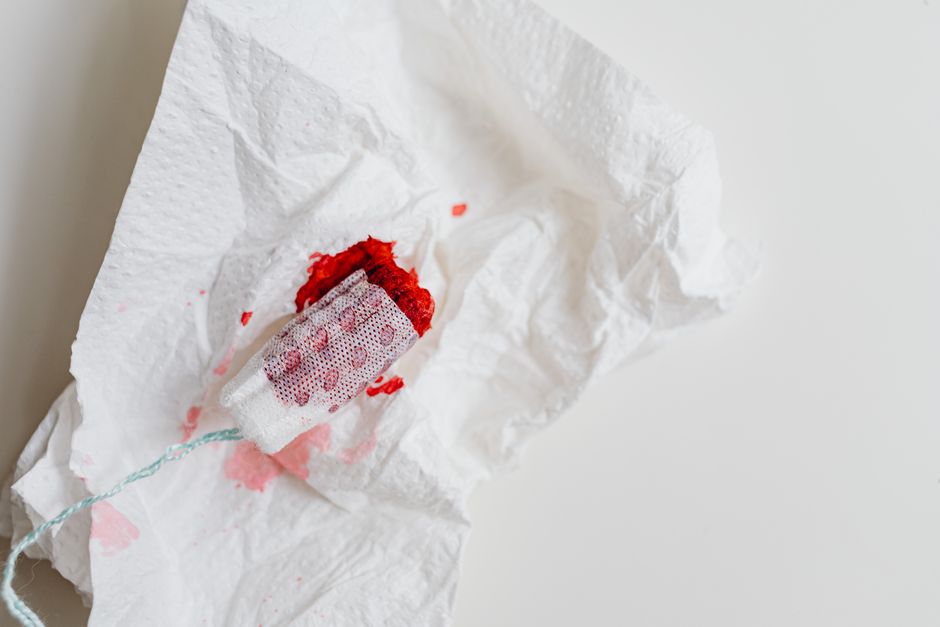
Bleeding while taking medroxyprogesterone is common, and it usually does not mean the medicine is failing. Medroxyprogesterone is a synthetic form of progesterone, a hormone that helps regulate the uterine lining. When you add it to your body, that lining often responds by shedding irregularly before it settles. In many cases, this breakthrough bleeding is an expected part of adjusting to the medication.
What counts as “expected” depends on why you are taking it. Medroxyprogesterone is used for several different reasons, and each one has its own bleeding pattern. The sections below explain the most likely causes and when bleeding deserves a call to your clinician.
Why Am I Still Bleeding While Taking Medroxyprogesterone?
Breakthrough bleeding happens because medroxyprogesterone changes how the lining of your uterus (the endometrium) grows and sheds. Progesterone stabilizes that lining when levels are steady. When you start, stop, or take the drug on a schedule that creates hormone ups and downs, parts of the lining can break down and bleed before the full hormone effect takes hold.
This is not a sign that the drug is weak or that your body is rejecting it. It is a predictable response to shifting hormone levels. The pattern often changes over the first few months of use and may settle once your body adjusts.
There is one important distinction. Medroxyprogesterone comes in different forms and doses, and they behave very differently:
- Oral tablets taken in cycles (for example, a set number of days each month) or every day
- Depot injection (a long-acting shot given on a schedule) used for contraception or other conditions
- Combined with estrogen in hormone therapy for menopause symptoms
The reason you are bleeding depends heavily on which form you are using and why. A person taking a daily tablet to protect the uterine lining during estrogen therapy is in a different situation than someone receiving the injection for contraception. Keep that context in mind as you read on.
Is Breakthrough Bleeding Normal on Medroxyprogesterone?
Irregular bleeding is one of the most commonly reported side effects of progestin medications, including medroxyprogesterone. Clinicians generally treat it as an expected effect rather than a complication, especially early in treatment.
That said, “common” is not the same as “ignore it.” Normal in this context means the bleeding is explainable by the medication and shows a pattern your clinician can follow. It does not mean every episode of bleeding should be dismissed. Some bleeding patterns point to problems that need a closer look.
Doctors often describe this as unscheduled or breakthrough bleeding. It can be light spotting, a few days of bleeding, or a heavier flow. The amount and timing vary widely from person to person. There is no single “correct” pattern.
What Causes Bleeding on Oral Medroxyprogesterone?
When you take medroxyprogesterone by mouth, the way you take it shapes your bleeding. A cyclic schedule (taking it for part of the month) is designed to trigger a withdrawal bleed when you stop for that cycle. Bleeding near the end of the pill-free days is expected.
Continuous daily dosing works differently. The goal is often to thin or stabilize the lining so that bleeding becomes lighter or stops. During the adjustment period, the lining may shed unevenly, producing spotting or light bleeding between expected times.
Missed or late doses are a frequent and underappreciated cause. Progestin levels drop when a dose is skipped, and the lining can respond by bleeding. If your bleeding lines up with missed pills, that is a strong clue. Taking the medication at the same time each day helps keep hormone levels steady.
Other factors can add to the picture:
- Starting, stopping, or changing the dose
- Switching between brands or formulations
- Taking other hormones, including estrogen
- Interactions with certain other medicines
If you use medroxyprogesterone alongside estrogen as part of hormone therapy, the balance between the two matters. Too little progestin relative to estrogen can allow the lining to build up and bleed. This is one reason clinicians adjust doses rather than assume the bleeding is harmless.
What About Bleeding With the Depot Injection?
The depot injection (given as a shot on a regular schedule) produces a very different bleeding pattern than the tablets. Many people experience irregular bleeding or spotting in the first months, and a large share eventually stop having periods altogether while using it.
This change in bleeding is a known and expected effect, not a sign of harm. It reflects the way the injection suppresses the normal menstrual cycle. The timing of when bleeding stops varies widely between individuals, and some people continue to have irregular bleeding for longer than others.
Because the injection is long-acting, you cannot adjust it day to day the way you can with a pill. If bleeding is heavy, persistent, or bothersome, that is a conversation to have with your clinician rather than something to manage on your own.
When Should You Be Concerned About Bleeding?
Most breakthrough bleeding is not dangerous, but some patterns need medical attention. Contact your clinician if you notice any of the following:
- Heavy bleeding that soaks through protection quickly or lasts many days
- Bleeding that is getting heavier over time instead of lighter
- Large clots
- Bleeding accompanied by severe pain, fever, or feeling unwell
- Bleeding that continues well beyond the expected adjustment period
- Bleeding after menopause (any vaginal bleeding after menopause should be evaluated)
Postmenopausal bleeding deserves special emphasis. Any bleeding after menopause is not something to watch and wait on. It should be checked by a clinician, regardless of whether you are taking medroxyprogesterone. This is a well-established clinical principle, and it applies even when the bleeding seems minor.
If you are unsure whether your bleeding fits an expected pattern, a phone call to your clinician’s office is reasonable. You do not need to wait for a scheduled appointment to ask.
How Long Does It Take for Bleeding to Settle?
There is no single timeline that fits everyone. Many people notice that irregular bleeding becomes less frequent or lighter over the first several months of use, but this varies with the form of the drug, the dose, and the reason it was prescribed.
Some people continue to have irregular bleeding for longer, and some never fully settle into a predictable pattern on a given dose. Because the range is wide, it is more useful to track your bleeding than to compare yourself to a fixed schedule. Note the dates, how heavy the bleeding is, and whether it lines up with missed doses or changes in your routine.
Bring that record to your clinician. A clear pattern often tells them more than a single description of “irregular bleeding,” and it can guide whether a dose adjustment makes sense.
One clarification that surprises people: the absence of bleeding is not always the goal, and the presence of bleeding is not always a problem. What matters is whether the pattern fits the reason you are taking the medication. A clinician is in the best position to judge that.
What Should You Do If You Keep Bleeding?
Do not stop or change your dose on your own. Stopping suddenly can trigger more bleeding and, depending on why you take it, can create other problems. If the bleeding is bothersome or persistent, the right step is to talk to the clinician who prescribed it.
When you call, have a few facts ready: when the bleeding started, how heavy it is, whether you have missed any doses, and any other medicines or hormones you take. That information helps your clinician decide whether to adjust the dose, change the form, or look for another cause.
It also helps to know that bleeding on medroxyprogesterone can have causes unrelated to the drug. Infections, polyps, fibroids, and other conditions can produce bleeding that happens to overlap with your treatment. A clinician can sort out whether the medication explains what you are seeing or whether something else needs to be checked.
Frequently Asked Questions
Does bleeding while taking medroxyprogesterone mean it is not working?
No, breakthrough bleeding is a common and expected effect of progestin medications and does not usually mean the drug is failing. Persistent or heavy bleeding should still be reviewed by your clinician.
How long does breakthrough bleeding last on medroxyprogesterone?
It varies widely between people, and many notice improvement over the first several months of use. There is no single timeline that applies to everyone, so tracking your pattern is more useful than comparing to a fixed schedule.
Can missed doses cause bleeding on medroxyprogesterone?
Yes, missed or late doses can drop hormone levels and trigger bleeding. Taking the medication at the same time each day helps keep levels steady.
When should I call my doctor about bleeding on medroxyprogesterone?
Call if bleeding is heavy, getting worse, accompanied by severe pain or fever, or continues well beyond the expected adjustment period. Any bleeding after menopause should always be evaluated.
