
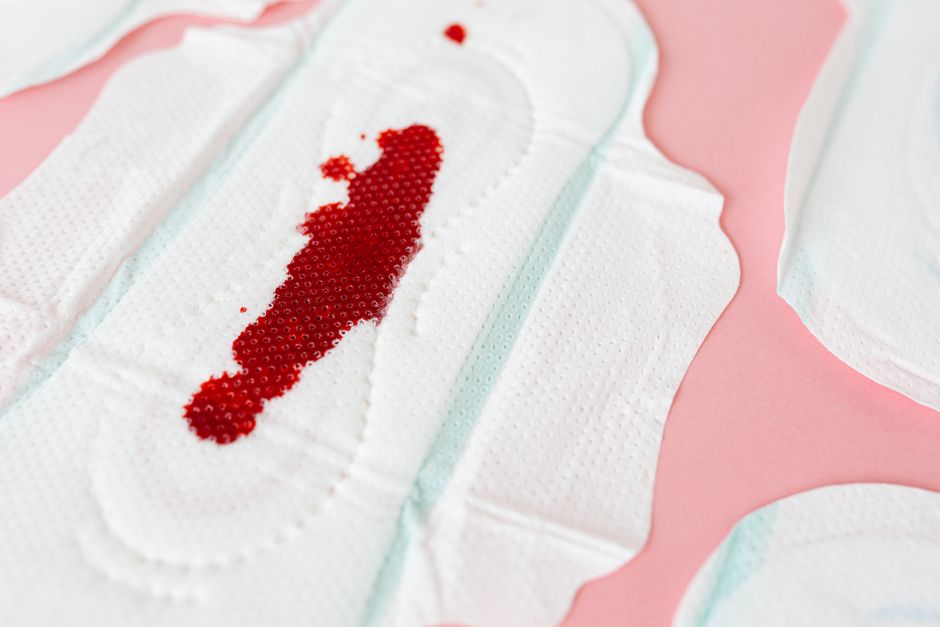
Seeing brown spotting in the middle of your cycle can be unsettling, but it is often a normal part of the menstrual cycle. Brown spotting during ovulation is typically old blood that took longer to leave your body, and for many women it is harmless. However, it can also signal hormonal shifts, cervical irritation, or, in some cases, an underlying condition that deserves a closer look.
Why Am I Spotting Brown During Ovulation?
Brown spotting at ovulation happens because of a rapid drop and rise in hormones, primarily estrogen. Right before the egg is released, estrogen levels peak, then dip sharply. This temporary dip can cause a small portion of the uterine lining to shed, just like a mini-period.
The brown color is the key detail. Fresh blood is red. When blood takes time to leave the uterus and vagina, it oxidizes, turning brown. So brown spotting usually means the bleeding is slow and light, not active and heavy.
What Is Happening in Your Body at Ovulation?
Ovulation is the release of an egg from one of your ovaries. It typically occurs around day 14 of a 28-day cycle, though normal cycles range from 21 to 35 days. The process is driven by a precise sequence of hormone signals.
In the days before ovulation, estrogen rises steadily. It thickens the uterine lining and triggers a surge of luteinizing hormone, or LH. That LH surge is what causes the ovary to release the egg. The moment of release itself can cause a brief, sharp pain called mittelschmerz, which some women feel on one side of the lower abdomen.
The spotting you see is not the egg bleeding. The egg is microscopic. The bleeding comes from the uterine lining responding to the hormonal shift. Some women also experience a slight cervical irritation as the follicle stretches and ruptures on the ovary surface.
Is Brown Spotting at Ovulation Normal?
For many women, yes. Studies suggest that light spotting around ovulation occurs in a small percentage of cycles and is generally not a cause for concern. It is often described as a few spots on toilet paper or light staining on underwear that lasts for a day or two.
The spotting should be light. If you are soaking a pad or tampon, that is not ovulation spotting. That is a different problem and warrants medical evaluation. True ovulation spotting does not require protection beyond a panty liner, and it rarely lasts more than three days.
It is also worth noting that not every cycle will have spotting. You may notice it one month and not the next. That variation is normal because hormone levels fluctuate from cycle to cycle, especially as you age.




What Else Could Cause Mid-Cycle Brown Spotting?
Ovulation is one explanation, but not the only one. Several other conditions can cause brown discharge in the middle of your cycle. It is important to distinguish between them.
- Hormonal imbalance: Low thyroid function, high prolactin, or polycystic ovary syndrome (PCOS) can disrupt the normal hormone rhythm and cause irregular spotting.
- Uterine fibroids or polyps: These growths in the uterine lining can bleed unpredictably, especially around the time of ovulation when estrogen peaks.
- Cervical issues: Cervical polyps, inflammation, or recent cervical trauma can cause light bleeding that appears brown by the time it exits the body.
- Implantation bleeding: If you conceive, the fertilized egg implants about 6 to 12 days after ovulation. This can cause light spotting that some women mistake for a second ovulation bleed.
- Infections: Sexually transmitted infections or pelvic inflammatory disease can cause abnormal bleeding and discharge. This is more likely if the spotting comes with pain, odor, or fever.
- Contraceptive side effects: Birth control pills, hormonal IUDs, and implants can cause breakthrough bleeding, particularly in the first few months of use.
If the spotting happens every cycle and is painless, ovulation is the most likely cause. If it is unpredictable, heavy, or accompanied by other symptoms, the cause may be something else.
When Should You See a Doctor About Ovulation Spotting?
Most ovulation spotting does not require a doctor visit. But certain signs should prompt you to seek medical advice. Pain is the most important signal.
Severe abdominal pain during ovulation is not normal. Mild mittelschmerz is common, but sharp, debilitating pain on one side could indicate a ruptured ovarian cyst, ovarian torsion, or an ectopic pregnancy. These conditions require prompt medical attention.
You should also see a doctor if the spotting lasts more than three days, if it happens between every period, or if it becomes heavier over time. Spotting that turns into red bleeding, especially with clots, is not typical ovulation bleeding.
Other warning signs include spotting after menopause, spotting during pregnancy, or bleeding after intercourse. These are not related to ovulation and need evaluation.
Can You Track Ovulation Spotting to Plan or Prevent Pregnancy?
Some women use mid-cycle spotting as a clue that they are fertile. The timing is useful, but it is not a reliable method of contraception or conception planning on its own.
Ovulation spotting occurs around the time of the LH surge and egg release. If you notice brown spotting on day 14 of a regular cycle, you are likely in your fertile window. Sperm can survive in the reproductive tract for up to five days, so intercourse in the days before ovulation can still result in pregnancy.
For more accurate tracking, combine spotting observations with other signs like cervical mucus changes, basal body temperature, or over-the-counter ovulation predictor kits. These methods together give a clearer picture than spotting alone.
Does Lifestyle Affect Ovulation Spotting?
Stress, weight changes, and intense exercise can all affect your hormone levels. When hormones fluctuate more than usual, you may notice more mid-cycle spotting than in your typical cycle.
High stress raises cortisol, which can interfere with the normal estrogen and progesterone rhythm. Significant weight loss or gain can also disrupt ovulation timing. Athletes who train heavily sometimes experience irregular cycles and more breakthrough bleeding.
These factors do not cause ovulation spotting directly. They change the hormonal environment in which ovulation happens, which can make spotting more likely in some cycles.
There is no evidence that diet, supplements, or specific foods prevent or cause ovulation spotting. If the spotting is light and occasional, no treatment is needed.
How Is Ovulation Spotting Different From Implantation Bleeding?
Both types of spotting can be brown and light, which makes them easy to confuse. The timing is the main difference.
Ovulation spotting happens around day 14 in a 28-day cycle. Implantation bleeding happens later, around day 20 to 24, when a fertilized egg attaches to the uterine lining. If you are tracking your cycle and notice spotting about a week before your expected period, implantation is a possibility.
Implantation bleeding is usually very light and lasts only a day or two. It is not a reliable sign of pregnancy on its own, but if you notice it, a pregnancy test about a week after the spotting ends can give you a clearer answer.
What Does the Color of Spotting Tell You?
Color provides useful information about the age of the blood and the speed of bleeding.
- Bright red: Fresh blood, active bleeding. This is less typical for ovulation and more common with menstruation or injury.
- Brown: Older blood that took time to exit. This is the classic color of ovulation spotting.
- Pink: A mix of fresh blood with cervical fluid. Can occur around ovulation when cervical mucus is abundant.
- Dark brown or black: Very old blood. Often seen at the very end of a period or with slow, light bleeding.
If the color changes from brown to bright red, the bleeding may be increasing. That shift deserves attention, especially if it happens outside your expected period.
Frequently Asked Questions
How many days does ovulation spotting last?
Ovulation spotting typically lasts one to two days, sometimes up to three. If spotting continues longer or becomes heavier, it is less likely to be ovulation-related.
Can ovulation spotting mean pregnancy?
Ovulation spotting itself does not mean pregnancy, but it does signal that you are in your fertile window. If conception occurs, implantation bleeding about a week later can cause another round of light spotting.
Is brown spotting at ovulation a sign of a problem?
In most cases, no, it is a normal response to hormonal changes. See a doctor if the spotting is heavy, painful, frequent, or accompanied by fever or unusual discharge.
Does everyone spot during ovulation?
No, most women do not spot during ovulation. Only a small percentage of women notice mid-cycle spotting, and it is not a required part of the ovulation process.
