
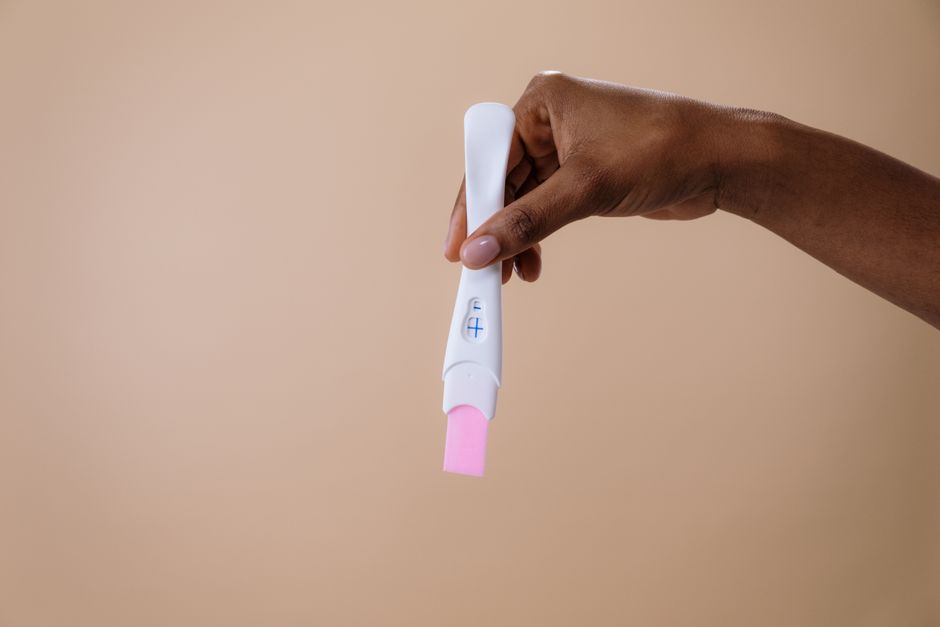
Feeling wiped out before you’ve even missed a period is one of the most common surprises of early pregnancy. The cause is mostly hormonal: progesterone rises steeply in the first trimester and has a natural sedating effect, your body is building the placenta and increasing blood volume, and your metabolism is running faster even at rest. This fatigue is real, it is normal, and for most people it eases as the second trimester begins.
Why Am I So Tired In Early Pregnancy?
Fatigue in early pregnancy is driven by measurable physiological changes, not by weakness or poor fitness. Several things happen at once in the first trimester, and each one draws on your energy.
Progesterone climbs quickly after conception. This hormone relaxes smooth muscle and has a sedating effect — which is also why it contributes to sluggish digestion and constipation. Blood volume begins expanding to support the placenta and fetus, and your heart works harder to circulate the extra volume. Your resting metabolic rate rises, meaning your body burns more energy even when you are sitting still.
On top of that, the placenta is being built from scratch — an energy-intensive project — and levels of human chorionic gonadotropin (hCG) rise rapidly in early pregnancy. hCG peaks around the end of the first trimester, which roughly matches when many people start to feel their energy return.
One clarification worth knowing: pregnancy fatigue is not the same as ordinary tiredness. It often does not fully resolve after a good night’s sleep, and it can arrive suddenly in the middle of the day. That pattern is typical and not a sign that something is wrong.
When Does Pregnancy Fatigue Usually Start and Peak?
Fatigue often begins within the first few weeks after conception — sometimes before a missed period — and tends to be most intense during the first trimester.
Most people notice it building through weeks 4 to 6 and peaking somewhere in weeks 8 to 12. For many, energy improves noticeably as the second trimester gets underway, though this varies widely from person to person. Some people feel persistent tiredness well into the second trimester, and fatigue commonly returns in the third trimester as carrying weight increases and sleep becomes harder.
There is no single “correct” timeline. If your experience doesn’t match the typical pattern, that alone is not a red flag. What matters more is whether the fatigue is stable or getting worse, and whether it comes with other symptoms.
Is It Normal to Feel This Exhausted?
Yes. First-trimester fatigue is one of the most frequently reported pregnancy symptoms, and its intensity can genuinely surprise people who were previously high-energy.
Normal fatigue is tiring but manageable. It usually improves with rest, and it doesn’t stop you from functioning entirely. It can be severe enough that you need to sit down or nap during the day, and that is still within the range of typical.
Some tiredness crosses into something that warrants a call to your clinician. Watch for fatigue that is extreme and unrelenting, that comes with dizziness, fainting, breathlessness at rest, or a racing heartbeat. These can point to anemia or other conditions that are worth checking rather than assuming. Severe nausea and vomiting that prevent you from eating or drinking is another reason to seek care promptly.
What Other Early Pregnancy Symptoms Come With the Fatigue?
Fatigue rarely travels alone in the first trimester. It usually shows up alongside other hormone-driven changes, and knowing the company it keeps can help you recognize what’s happening.
- Nausea, often called morning sickness, though it can occur at any time of day
- Breast tenderness and swelling
- Frequent urination as blood flow to the kidneys increases
- Food aversions and cravings
- Mood changes and emotional ups and downs
- Headaches, often linked to hormonal shifts and changes in blood flow
- Constipation and sluggish digestion from progesterone
Not everyone gets all of these, and the mix varies. The presence or absence of any single symptom does not reliably tell you how a pregnancy is progressing.
What Helps With First-Trimester Tiredness?
There is no way to switch off pregnancy fatigue, but a few practical adjustments make it easier to live with. The evidence for these is largely based on general sleep and nutrition principles rather than pregnancy-specific trials, so treat them as sensible support rather than proven fixes.
Rest when you can, not just at night. Short daytime rests can take the edge off without disrupting nighttime sleep. Going to bed earlier during the first trimester is often more useful than trying to push through.
Eat regularly and include iron-rich foods. Skipping meals and letting blood sugar dip tends to make fatigue worse. Iron supports the increased blood volume, and low iron is a common, correctable cause of worsening tiredness — but it should be confirmed with a blood test rather than assumed. Your clinician can check your iron levels and advise on supplementation if needed.
Stay hydrated and keep moving gently. Light activity like walking can support energy levels for some people, though it won’t override genuine first-trimester exhaustion. Listen to your body rather than forcing a workout.
Lean on support. Asking for help with chores, meals, or childcare during the hardest weeks is practical, not indulgent.
When Should Fatigue During Pregnancy Worry You?
Most first-trimester fatigue is not a cause for concern. Some patterns are worth raising with your clinician rather than waiting it out.
Seek medical advice if fatigue is severe enough that you cannot function, if it is getting steadily worse rather than fluctuating, or if it comes with any of the following:
- Dizziness or fainting
- Shortness of breath at rest
- A noticeably racing or irregular heartbeat
- Pale skin or unusual breathlessness with mild activity
- Persistent vomiting or inability to keep fluids down
- Fever, or fatigue accompanied by feeling generally unwell
These can be signs of anemia, dehydration, thyroid changes, or other conditions that are treatable and worth identifying. Fatigue alone is common; fatigue combined with these features deserves a professional look.
Does Tiredness Mean Something Is Wrong With the Pregnancy?
No. Tiredness is an expected part of early pregnancy and does not indicate a problem on its own.
People often worry that severe fatigue signals a threatened miscarriage or another complication. The evidence does not support that link — fatigue is a normal response to the hormonal and metabolic changes of early pregnancy, and its intensity varies enormously between individuals. Some people sail through the first trimester with mild tiredness; others are profoundly exhausted. Both can be entirely normal.
What is not reliable is using symptoms to judge how a pregnancy is progressing. The presence or absence of fatigue, nausea, or breast tenderness does not tell you whether things are on track. If you have concerns about your pregnancy, an ultrasound or check with your clinician is far more informative than reading your body’s symptoms.
How Long Does Early Pregnancy Fatigue Last?
For most people, the worst of it eases by around the start of the second trimester — commonly somewhere between weeks 12 and 14 — though this is a general pattern, not a rule.
Energy often improves gradually rather than all at once. Some people feel a clear turning point; others notice it lifting over a few weeks. A significant number continue to feel tired beyond the first trimester, and fatigue typically returns in the third trimester for different reasons, including physical strain and disrupted sleep.
If your fatigue does not improve as expected, or worsens after the first trimester, that is worth mentioning to your clinician. It may simply be your pattern, but checking for causes like anemia is reasonable.
Frequently Asked Questions
Why am I so tired in early pregnancy?
Rising progesterone has a sedating effect, your blood volume and metabolism increase, and your body is building the placenta — all of which draw on energy. This is a normal response to the physiological changes of early pregnancy.
How early does pregnancy fatigue start?
It can begin within the first few weeks after conception, sometimes before a missed period. Most people notice it building through weeks 4 to 6 and peaking in the first trimester.
Does severe fatigue in early pregnancy mean something is wrong?
Usually not — fatigue intensity varies widely and is not a reliable sign of a problem. Fatigue that is extreme, unrelenting, or comes with dizziness, breathlessness, or a racing heartbeat should be checked by a clinician.
When does pregnancy tiredness go away?
For many people it eases around the start of the second trimester, often between weeks 12 and 14. This is a general pattern rather than a rule, and fatigue commonly returns in the third trimester.
