
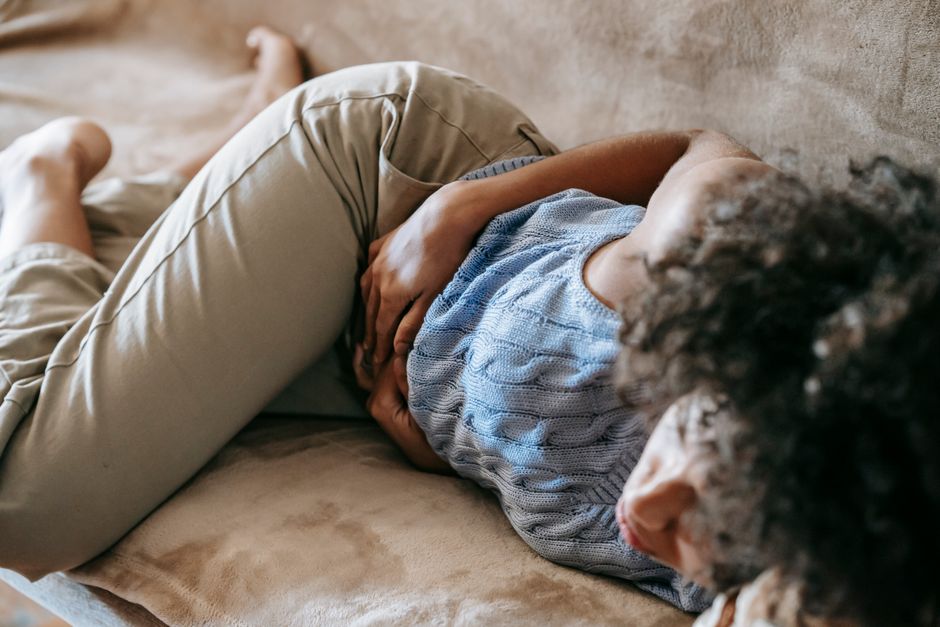
If you feel wiped out in the days before and during your period, the cause is mostly hormonal — not laziness, not lack of willpower. Estrogen and progesterone rise and fall in a predictable pattern across your cycle, and both hormones influence energy, sleep, and mood. When they drop sharply just before bleeding starts, many people feel the effects. Blood loss and cramping can add to the fatigue, but hormones are usually the main driver.
Why Am I So Tired During My Period Causes Explained?
Fatigue around your period comes from a combination of hormone shifts, inflammation, and blood loss. These forces often overlap, which is why the tiredness can feel heavier than ordinary sleepiness.
In the second half of the cycle, progesterone rises. Progesterone has a mild sedating effect and can raise body temperature slightly, which may disturb sleep quality. Then, as the period approaches, both estrogen and progesterone fall quickly. That drop is linked to lower serotonin activity, and serotonin helps regulate mood, sleep, and energy.
At the same time, the uterus sheds its lining. The average menstrual flow is about 30 to 40 milliliters, though a flow of up to 80 milliliters is still considered within the normal range. Losing blood means losing iron, and iron carries oxygen in your blood. If your iron stores were already low, even a normal period can push you toward feeling drained.
Prostaglandins — chemicals the body releases to help the uterus contract and shed its lining — also play a role. They cause cramping, and cramping disrupts sleep. Pain and poor sleep feed each other, and the result is the heavy, foggy tiredness many people notice on days one and two.
What Hormones Cause Period Fatigue?
Two hormones do most of the work here: estrogen and progesterone. Their rise and fall across the month shapes how you feel.
Estrogen tends to support energy and mood when it is stable and rising. It influences serotonin and dopamine, two brain chemicals tied to motivation and alertness. In the days right after your period ends, estrogen climbs, and many people notice they feel their best.
Progesterone moves in the opposite direction. After ovulation, it rises to prepare the uterus for a possible pregnancy. Higher progesterone can make you feel calmer or sleepier, and it slightly raises core body temperature. That temperature shift can reduce sleep quality for some people.
When pregnancy does not occur, both hormones fall. This sharp decline in the days before bleeding is the trigger for most premenstrual symptoms, including fatigue. The body is adjusting to a rapid change in hormone levels, and that adjustment takes energy.
Does the hormone drop cause the tiredness directly?
The drop is the main trigger, but it works through several pathways at once. Lower serotonin, disrupted sleep, and rising inflammation all follow the hormone shift. So the fatigue is not one thing — it is a chain reaction that starts with the hormones and spreads.
Can Low Iron Make Period Fatigue Worse?
Yes. Iron deficiency is one of the most common reasons period fatigue becomes severe rather than mild, and it is often missed.
Iron is needed to make hemoglobin, the protein in red blood cells that carries oxygen. When iron stores run low, your body has less capacity to move oxygen to muscles and organs. The result is tiredness, weakness, shortness of breath with activity, and trouble concentrating.
Menstruation is a leading cause of iron deficiency in people who bleed. Heavy periods, periods that last longer than about seven days, or bleeding that soaks through protection quickly can all drain iron faster than diet replaces it.
Here is the part many people miss: you can have a normal hemoglobin level and still be iron deficient. Hemoglobin measures red blood cells, but it can stay normal while your stored iron — measured by a test called ferritin — is already low. That means standard blood work can look fine while you feel exhausted.
If your fatigue is persistent, not just a day or two, it is reasonable to ask a clinician about ferritin testing. Do not start iron supplements on your own. Too much iron is harmful, and the dose and need depend on your actual levels.





How Do Cramps and Poor Sleep Add to the Tiredness?
Cramps and disrupted sleep make period fatigue worse by stealing the recovery your body needs.
Prostaglandins cause the uterus to contract. When levels are high, the contractions are stronger and more painful. Pain does two things: it directly drains your energy, and it makes it harder to fall asleep and stay asleep.
Sleep often suffers in the days before a period even without cramps. The slight rise in body temperature from progesterone can interfere with the cooling your body needs to sleep well. Anxiety, mood changes, and physical discomfort add to it.
When sleep is broken night after night, the fatigue compounds. You are not just tired from your period — you are tired from several nights of poor rest stacked on top of it.
Is Period Fatigue Normal or a Sign of Something Else?
Mild tiredness around your period is common and expected. Fatigue that is severe, lasts most of the month, or keeps getting worse is not something to dismiss.
Several conditions can look like period fatigue but have different causes:
- Iron deficiency anemia — low iron stores from heavy or prolonged bleeding
- Thyroid problems — an underactive thyroid commonly causes fatigue
- Premenstrual dysphoric disorder (PMDD) — a severe form of premenstrual symptoms that includes marked mood changes
- Sleep disorders — ongoing problems that a period only makes more obvious
- Depression or anxiety — both can cause persistent low energy
The pattern matters. Fatigue tied closely to your cycle and easing within a few days points toward hormonal causes. Fatigue that never lifts, or that comes with heavy bleeding, shortness of breath, or fainting, needs medical attention.
What Helps With Period Fatigue?
There is no single fix, but a few well-supported steps can reduce how drained you feel.
Sleep is the foundation. Going to bed and waking at consistent times helps, and keeping your bedroom cool can offset the temperature rise from progesterone.
Regular movement — even a short walk — can ease cramps and improve sleep for some people. Intense exercise during the worst days is not required and may not help if you are already exhausted.
Iron-rich foods support your body if stores are low. Sources include lean red meat, poultry, beans, lentils, and fortified cereals. Vitamin C helps your body absorb iron from plant sources, so pairing them can help. Coffee and tea can reduce iron absorption when consumed with meals.
Heat — a warm bath, a heating pad, or a warm compress — can relax cramping muscles and ease pain, which in turn may help you rest.
For pain and cramping, over-the-counter options exist. Nonsteroidal anti-inflammatory drugs such as ibuprofen are commonly used for period pain, but they are not right for everyone. People with certain stomach, kidney, or bleeding conditions should check with a clinician first. This article is informational and not a substitute for medical advice.
When Should You Talk to a Doctor About Period Fatigue?
Talk to a clinician if your fatigue interferes with work, school, or daily life, or if it does not improve within a few days after your period ends.
Also seek care if you notice heavy bleeding — soaking through a pad or tampon every hour for several hours, passing large clots, or bleeding longer than about seven days. These signs can point to iron loss that needs attention.
Shortness of breath, chest pain, fainting, or a racing heart are reasons to get medical help promptly. These can signal significant anemia or another condition.
Period fatigue is real, and it has real causes. Understanding the hormone shifts, the role of iron, and the effect of poor sleep helps you see why it happens — and helps you know when to ask for help.
Frequently Asked Questions
Why am I so tired during my period?
Fatigue during your period comes mainly from falling estrogen and progesterone, which affect mood, sleep, and energy. Blood loss, cramping, and disrupted sleep add to it.
Can low iron cause tiredness during a period?
Yes, iron deficiency is a common cause of more severe period fatigue because iron carries oxygen in your blood. You can have low iron stores even when standard hemoglobin tests look normal.
How long does period fatigue usually last?
For most people, tiredness is worst in the days before and the first day or two of bleeding, then eases. Fatigue that lasts most of the month or keeps worsening is not typical and should be checked.
When should I see a doctor about period fatigue?
See a clinician if fatigue disrupts daily life, does not ease after your period, or comes with heavy bleeding, shortness of breath, or fainting. These signs can point to anemia or another condition.
