
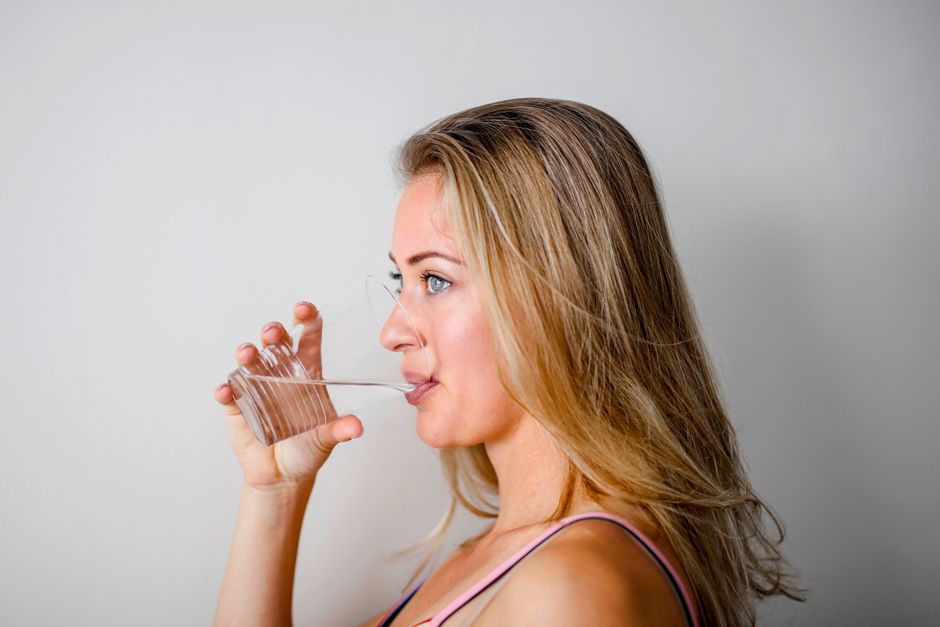
If you are in early pregnancy and feel like you cannot drink enough water, you are not imagining it. Thirst in early pregnancy is common and usually has clear physiological causes. Your blood volume is expanding, your kidneys are processing more fluid, and shifting hormones are changing how your body handles water and electrolytes. In most cases, it is a normal sign that your body is adapting to pregnancy.
Why Am I So Thirsty In Early Pregnancy?
Blood volume begins to increase early in pregnancy, and by late pregnancy it is roughly 40 to 50 percent higher than before you conceived. Much of that added volume is water. Your body needs extra fluid to fill that expanding volume, and thirst is the signal it uses to get it.
At the same time, pregnancy changes kidney function. The rate at which your kidneys filter blood rises, and more fluid is lost through urine. Hormonal shifts, including higher levels of progesterone and changes in antidiuretic hormone regulation, affect how the body concentrates and conserves water. The result is that you lose more fluid and need to replace more of it.
There is also a simple physical explanation. The mineral balance in your blood shifts during pregnancy, particularly sodium and potassium. Even small changes in the concentration of these electrolytes can trigger the thirst center in the brain. That is why some women feel thirsty before they even know they are pregnant.
One clarification worth making: thirst in early pregnancy is not caused by the baby “taking” your water. The fetus is not draining your fluids. Your own cardiovascular and kidney adaptations are driving the increased demand.
Is Being Very Thirsty a Sign of Pregnancy?
Increased thirst can be an early sign of pregnancy, but it is not a reliable one on its own. Many things cause thirst, and pregnancy is only one of them.
What makes thirst more suggestive of pregnancy is when it appears alongside other early signs. These commonly include fatigue, breast tenderness, nausea, frequent urination, and a missed period.
- Frequent urination and thirst often go together, because both reflect increased fluid turnover.
- Fatigue and nausea can reduce how much you drink, which makes thirst feel more pronounced.
- Breast tenderness and a missed period are generally stronger early clues than thirst alone.
If you suspect you are pregnant, a home urine test is accurate for most women by the first day of a missed period. A blood test can detect pregnancy earlier. Thirst by itself should not be treated as confirmation.
How Much Water Should You Drink in Early Pregnancy?
There is no single official fluid target that applies to every pregnant woman. General guidance from health authorities suggests that pregnant women need more total water than non-pregnant women, but individual needs vary with body size, activity, climate, and diet.
A commonly cited general reference is about 10 cups (roughly 2.4 liters) of total fluids per day during pregnancy, but this includes water from food and other beverages, not just plain water. This is a general reference point, not a prescription, and it is not a clinical threshold that applies to everyone.
Rather than counting cups, many clinicians suggest paying attention to your body and to your urine. Pale yellow urine generally suggests adequate hydration. Dark yellow or amber urine can suggest you need more fluid.
Important context: drinking more water than you need does not improve pregnancy outcomes, and drinking excessive amounts can be harmful. Extremely large fluid intake can dilute your blood sodium to dangerous levels, a condition called hyponatremia. This is rare but serious. More is not better.
What Else Can Cause Extreme Thirst in Early Pregnancy?
Pregnancy explains most thirst in early pregnancy, but not all of it. Some causes are unrelated to pregnancy and some are made worse by it.
Gestational diabetes. Diabetes that develops during pregnancy can cause increased thirst, frequent urination, and fatigue. Screening for gestational diabetes is typically done between 24 and 28 weeks, though women with risk factors may be tested earlier. If thirst is extreme and paired with very frequent urination, mention it to your clinician.
Dehydration from nausea and vomiting. Morning sickness can make it hard to keep fluids down. If you are vomiting frequently, you can become dehydrated, which increases thirst. Severe nausea and vomiting in pregnancy, sometimes called hyperemesis gravidarum, can lead to significant fluid loss and requires medical care.
Diabetes that predates pregnancy. If you had type 1 or type 2 diabetes before conceiving, thirst may reflect blood sugar changes. Pregnancy alters insulin sensitivity, and blood sugar control often needs adjustment.
Other medical causes. Conditions unrelated to pregnancy can also cause thirst. These include diabetes insipidus, certain kidney problems, high blood calcium, and some medications. These are uncommon but real.
If your thirst is severe, constant, or accompanied by other symptoms such as blurred vision, confusion, or very dark urine, contact your clinician rather than waiting.
Can You Drink Too Much Water During Pregnancy?
Yes. Drinking far more water than your body needs can dilute the sodium in your blood, which is a genuine medical risk. This is called hyponatremia, and in severe cases it can cause confusion, seizures, and worse.
This does not mean you should limit normal drinking. It means that forcing large volumes of water beyond thirst, or drinking extreme amounts in a short time, is not helpful and can be harmful.
The practical approach most clinicians suggest is to drink to thirst and to keep urine pale yellow. If you are sweating heavily or exercising, you may need more. If you are retaining fluid or have a heart or kidney condition, your clinician may give you specific guidance that differs from general advice.
When Should You Call Your Doctor About Thirst?
Mild thirst in early pregnancy is usually not a concern. Certain situations warrant a call to your clinician.
- Thirst that is extreme or constant, even after drinking
- Very frequent urination along with thirst
- Vomiting that prevents you from keeping fluids down
- Signs of dehydration, such as dark urine, dizziness, or a dry mouth that does not improve
- Blurred vision, unusual fatigue, or confusion
- Thirst that started suddenly and is severe
These signs do not automatically mean something is wrong. They mean it is worth checking. Gestational diabetes, dehydration, and electrolyte problems are all manageable when identified early.
Practical Ways to Stay Hydrated in Early Pregnancy
Staying hydrated does not require complicated rules. A few simple habits help most women.
- Keep water nearby and sip throughout the day rather than drinking large amounts at once.
- If nausea makes plain water hard to tolerate, try cold water, ice chips, or water with a slice of lemon or cucumber.
- Include fluids from foods such as soup, fruit, and vegetables.
- Drink more in hot weather or after activity.
- Watch your urine color as a simple daily check.
If you are vomiting often, small frequent sips are usually easier to keep down than large gulps. If you cannot keep anything down for a full day, that is a reason to call your clinician.
One non-obvious point: drinking a large glass of water right before bed often makes nighttime urination worse, which can disrupt sleep. Spreading fluids earlier in the day can help both hydration and rest.
Frequently Asked Questions
Why am I so thirsty in early pregnancy?
Your blood volume is expanding, your kidneys are filtering more fluid, and hormonal changes affect how your body handles water. These normal adaptations increase your fluid needs and trigger thirst.
Is thirst a sign of pregnancy before a missed period?
Thirst can appear early, but it is not a reliable sign on its own because many things cause thirst. A missed period and a pregnancy test are more dependable indicators.
How much water should I drink in early pregnancy?
General guidance suggests pregnant women need more total fluids than non-pregnant women, often cited as around 10 cups daily including fluids from food. Individual needs vary, and drinking to thirst with pale yellow urine is a reasonable guide.
Can extreme thirst in early pregnancy mean gestational diabetes?
It can be one sign, but thirst alone does not mean you have gestational diabetes. Screening is typically done between 24 and 28 weeks, and your clinician can test earlier if you have risk factors.
