
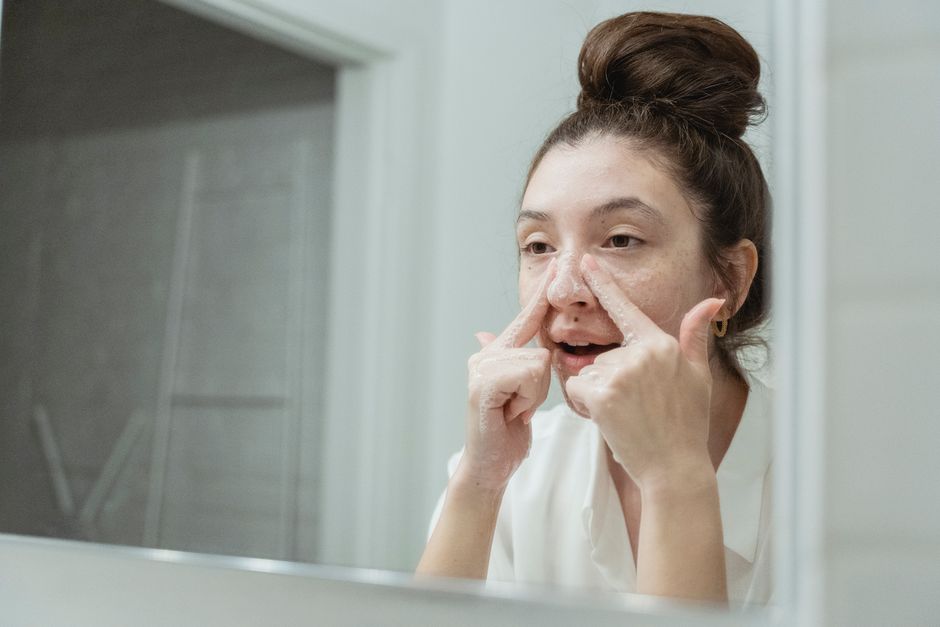
Facial redness is one of the most common skin concerns that brings people to a doctor. The skin on your face has a dense network of blood vessels close to the surface, so it reacts quickly to internal changes and external triggers. The redness you see is blood rushing into those tiny vessels, and understanding exactly why that happens is the first step to managing it.
Why Is My Face Red When I Am Not Embarrassed?
Blushing and flushing are normal body responses. But many people experience redness without any emotional trigger. The facial skin contains a high concentration of capillaries, the smallest blood vessels in the body. When these vessels widen, more blood flows to the surface, and the skin appears red.
This widening is called vasodilation. It happens for many reasons. Heat, exercise, spicy food, alcohol, and certain skin conditions all cause the same physical response. The redness itself is not the problem. The problem is identifying what is causing your blood vessels to widen in the first place.
Some people flush more easily than others. Fair skin shows redness more readily. People with a family history of flushing or rosacea tend to react more strongly to triggers. This is not something you control, but it does mean you need to pay closer attention to what your skin is telling you.
What Are The Root Causes Of Facial Redness?
There are several distinct reasons your face might turn red. Understanding them helps you separate a temporary flush from a condition that needs medical attention.
Rosacea
Rosacea is a chronic inflammatory skin condition that primarily affects the face. It causes persistent redness, visible blood vessels, and sometimes small red bumps that resemble acne. It typically appears on the cheeks, nose, chin, and forehead. Rosacea is common, affecting millions of adults, and it usually begins after age 30.
The exact cause of rosacea is not fully understood. Researchers believe it involves a combination of genetic factors, an overactive immune response, and environmental triggers. Sun exposure, hot weather, stress, and certain foods can all trigger flare-ups. Rosacea is not caused by poor hygiene and is not contagious.
Contact Dermatitis
Contact dermatitis is a reaction to something that touches your skin. It can be an irritant, like a harsh soap or detergent, or an allergen, like nickel or a fragrance. The skin becomes red, itchy, and sometimes swollen. The redness appears where the product touched your skin, which helps distinguish it from other causes.
Skincare products are a frequent culprit. Many people develop reactions to preservatives, essential oils, or active ingredients like retinol. The reaction can appear immediately or develop over days of repeated exposure.
Temperature Changes
Moving from cold outdoor air into a warm room causes blood vessels to expand rapidly. This is a normal response. Your body redirects blood to the skin surface to release heat. The same thing happens after a hot shower or a strenuous workout. This type of flushing is temporary and fades as your body temperature normalizes.
Dietary Triggers
Certain foods and drinks cause flushing in susceptible people. Alcohol, especially red wine, is a well-known trigger. Spicy foods containing capsaicin can also cause facial redness. Hot beverages produce the same effect because of their temperature, not their ingredients.
Some research suggests that foods high in histamines, like aged cheese and fermented products, may trigger flushing in sensitive individuals. The evidence for specific dietary triggers varies from person to person. Keeping a food diary can help you identify your personal triggers.
Why Am I Red In The Face Causes And Triggers: When Is It Serious?
Most facial redness is harmless and temporary. But some causes require prompt medical evaluation.
Sudden facial redness accompanied by difficulty breathing, swelling of the lips or throat, or hives could indicate a severe allergic reaction known as anaphylaxis. This is a medical emergency. Call emergency services immediately if you experience these symptoms.
Redness that persists for weeks despite avoiding common triggers deserves a medical evaluation. Persistent redness can indicate rosacea, lupus, or another inflammatory condition. A dermatologist can examine your skin and determine the underlying cause.
Facial redness accompanied by other symptoms, such as joint pain, fever, or unexplained fatigue, should also be discussed with a doctor. These combinations may point to systemic conditions that affect more than just your skin.





What Is The Difference Between Flushing And A Skin Condition?
Flushing is a temporary widening of blood vessels that fades within minutes to hours. It comes and goes. It may be triggered by heat, emotion, or food, and it leaves no lasting marks on the skin.
A skin condition like rosacea involves persistent redness that does not fully fade. The redness may intensify with triggers, but it remains visible even when you are calm and cool. Over time, rosacea can cause visible blood vessels and skin thickening if left untreated.
If your redness disappears completely when you cool down or relax, you are likely experiencing flushing rather than a chronic skin condition. If the redness never fully goes away, you should consider seeing a dermatologist.
How Can I Reduce Facial Redness At Home?
Simple changes can make a meaningful difference for occasional flushing.
Identify and avoid your personal triggers. This is the most effective strategy. Common triggers include hot drinks, spicy food, alcohol, extreme temperatures, and harsh skincare products. Keep a diary for two weeks to track when your face turns red and what you were doing, eating, or applying at the time.
Use gentle skincare products. Look for cleansers and moisturizers labeled fragrance-free and formulated for sensitive skin. Fragrance is one of the most common causes of skin irritation. Avoid physical scrubs and products containing alcohol, which can strip the skin barrier and increase sensitivity.
Apply sunscreen daily. Sun exposure is a leading trigger for facial redness and rosacea flare-ups. Choose a mineral sunscreen containing zinc oxide or titanium dioxide, which are less likely to irritate sensitive skin than chemical filters.
Cool your skin down. When you feel a flush coming on, splash your face with cool water or apply a clean, cool cloth. This constricts blood vessels and reduces the intensity of the redness.
When Should I See A Doctor About Facial Redness?
You should see a doctor if the redness persists for more than a few weeks, if it is accompanied by pain or swelling, or if it interferes with your daily life. A dermatologist can diagnose the underlying cause and recommend appropriate treatment.
Prescription treatments exist for rosacea and other inflammatory skin conditions. Topical medications can reduce redness and inflammation. Oral medications may be prescribed for more severe cases. Laser and light therapies can target visible blood vessels and reduce persistent redness.
No clinical evidence supports over-the-counter products claiming to cure rosacea or permanently eliminate facial redness. Some products can temporarily reduce the appearance of redness, but they do not treat the underlying cause. If a product promises a permanent fix, treat that claim with skepticism.
What Lifestyle Changes Help Prevent Facial Redness?
Several lifestyle adjustments can reduce the frequency and intensity of flushing episodes.
Manage stress levels. Stress triggers the release of hormones that cause blood vessels to widen. Deep breathing, regular exercise, and adequate sleep can help regulate your stress response. Exercise itself causes temporary flushing, but regular physical activity may improve overall circulation and reduce reactivity over time.
Be mindful of your environment. Very hot rooms, saunas, and steam rooms can trigger flushing. So can very cold, windy conditions. Dress in layers so you can adjust your temperature throughout the day. Protect your face with a scarf in cold weather.
Limit alcohol consumption. Alcohol causes blood vessels to dilate directly. For some people, even small amounts trigger significant flushing. If you notice a consistent pattern, reducing or eliminating alcohol may be the single most effective change you can make.
Can Diet Affect Facial Redness?
Diet plays a role for some people, but the evidence is not uniform across all individuals. Spicy foods, hot beverages, and alcohol are the most consistently reported dietary triggers for facial flushing.
Some research suggests that foods high in histamines or compounds that trigger histamine release may cause flushing in sensitive people. These foods include fermented products, aged cheeses, cured meats, and certain fish. The evidence here is limited, and individual responses vary widely.
No specific diet has been proven to cure facial redness. An elimination diet, done under medical supervision, can help you identify personal triggers. But there is no universal list of foods that cause redness in everyone. Your triggers are your own, and they may be entirely different from someone else’s.
Frequently Asked Questions
Why does my face get red for no reason?
Facial redness always has a cause, even if it is not obvious. Common hidden triggers include temperature changes, stress, certain foods, or skincare products that irritate your skin.
Can anxiety cause facial redness?
Yes. Anxiety activates your body’s stress response, which causes blood vessels in the face to widen and produce visible redness.
Is facial redness a sign of high blood pressure?
No. High blood pressure does not typically cause facial flushing. Redness is more often related to temperature, diet, emotions, or skin conditions.
How long does facial flushing last?
Normal flushing from heat, exercise, or emotion usually fades within 30 to 60 minutes after the trigger is removed. Redness that lasts for days or weeks is not simple flushing and should be evaluated by a doctor.
