
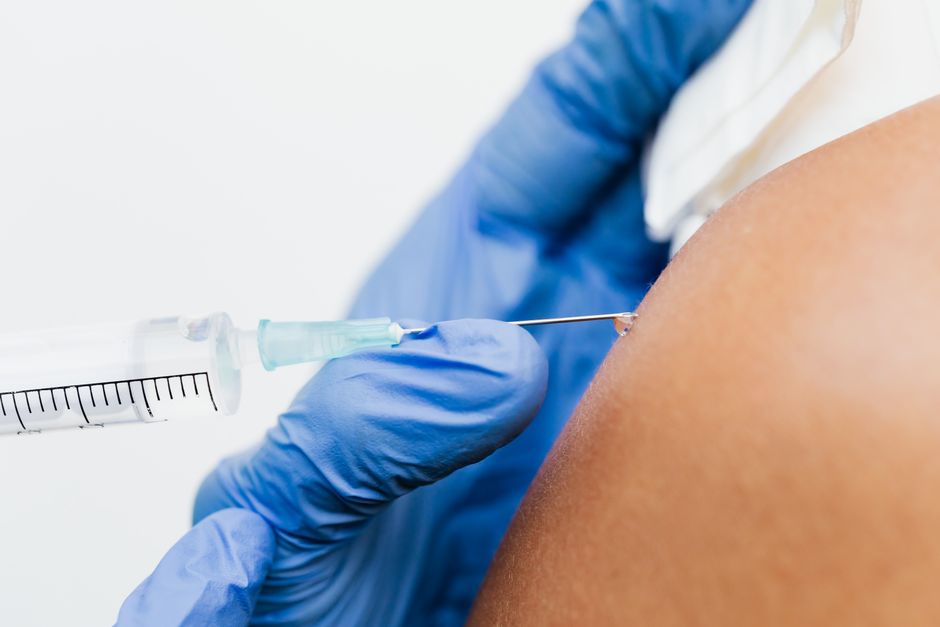
Getting vaccinated against measles is the most reliable way to protect yourself, and it works extremely well for the vast majority of people. However, it is not a guarantee for every single person. If you have received the full series of the MMR (measles, mumps, rubella) vaccine and still test negative for measles immunity, or if you contract the disease, it usually comes down to one of a few specific medical reasons—not a failure of the vaccine itself for the general population.
The most common reasons for a lack of immunity after vaccination are being part of the small percentage of people whose immune systems do not mount a lasting response, having received only one dose instead of the recommended two, or having immunity that has waned over decades. Additionally, some people believe they were vaccinated when they actually received a different vaccine or an older, less effective formulation. Let’s break down the science behind these scenarios.
How Does the Measles Vaccine Create Immunity?
The MMR vaccine contains a live but weakened (attenuated) form of the measles virus. It does not cause the disease in healthy people, but it triggers your immune system to produce a specific defense.
Your body creates two main types of protection. First, it makes antibodies—proteins that float in your blood and neutralize the virus if it tries to enter. Second, it creates memory B cells and T cells. These cells stay dormant for years, waiting to rapidly produce new antibodies if they ever see the measles virus again.
This dual system is why immunity lasts so long. Even if your antibody levels drop over time, your memory cells can usually kick in fast enough to stop the virus before you get sick. The vaccine is not just a shield; it is a training program for your immune system.
Why Am I Not Immune To Measles After Vaccination?
Primary vaccine failure is the medical term for when your body never develops immunity after the shot. This happens in roughly 2 to 5 percent of people after a single dose. Most of these people will develop immunity after a second dose, which is why the two-dose schedule is standard.
Secondary vaccine failure is different. This occurs when you developed immunity initially, but it has faded significantly over time. Your antibody levels may drop below the threshold considered protective. While your memory cells may still offer some protection, the “herd immunity” wall that protects vulnerable people relies on circulating antibodies. If your levels are too low, you are technically susceptible.
There is also the issue of vaccine storage and administration. The MMR vaccine is sensitive to light and heat. If it is not stored properly or administered correctly, it can be inactivated. This is rare in modern healthcare systems but was more of a concern in the past or in regions with unreliable cold chains.
Did You Receive One Dose or Two?
The difference between one and two doses is significant. A single dose of the MMR vaccine is about 93 percent effective at preventing measles. Two doses are about 97 percent effective. That 4 percent difference may sound small, but it represents a large number of people when applied to a whole population.
If you were vaccinated before 1989, you likely received only one dose. That year, health authorities changed the recommendation to a two-dose schedule because of measles outbreaks among school-aged children who had received just one shot. If you are unsure how many doses you have had, a doctor can check your records or order a blood test.
For international travel or during an outbreak, a third dose is sometimes recommended for people who are at higher risk. This is not because the vaccine “wears off” completely, but because a booster can quickly raise antibody levels in people whose immunity has waned.





What Does a Negative Titer Test Mean?
A titer test measures the level of antibodies in your blood. If your measles IgG titer comes back negative, it means the test did not detect a protective level of antibodies. This does not always mean you have zero immunity—it means you do not have enough circulating antibodies to be confident you are protected.
In this situation, the standard medical recommendation is to get another dose of the MMR vaccine. This is safe. There is no harm in receiving an extra dose even if you are actually immune. The vaccine will simply act as a booster, and your immune system will respond.
After receiving a booster dose, about 95 percent of people who previously had a negative titer will develop a positive one. A small percentage will remain negative even after repeated doses. For these individuals, their immune system simply does not produce detectable antibodies, despite having cellular immunity that may still offer some protection.
Can You Still Get Measles If Vaccinated?
Yes, but it is uncommon. Breakthrough infections happen when a vaccinated person is exposed to the virus and their immunity is insufficient to stop it completely. When this occurs, the illness is typically much milder than in unvaccinated people.
Vaccinated individuals who get measles usually have a lower fever, fewer spots, and recover faster. They are also far less likely to develop severe complications like pneumonia or encephalitis. The vaccine does not just prevent disease—it reduces the severity if you do get infected.
However, vaccinated people with breakthrough infections can still spread the virus to others. This is why high vaccination rates in a community are so important. The virus needs a chain of susceptible people to keep spreading. When most people are immune, the chain breaks.
Why Herd Immunity Matters for You
Herd immunity protects people who cannot be vaccinated—infants too young for the shot, people with certain immune deficiencies, and those undergoing chemotherapy. When about 95 percent of a population is immune, measles cannot easily spread.
If your immunity has waned, you are not just a risk to yourself. You become a potential link in the transmission chain. The measles virus is one of the most contagious viruses known. It can linger in the air for up to two hours after an infected person leaves a room.
This is why public health officials take measles outbreaks so seriously. Even a small drop in vaccination rates can lead to large outbreaks in communities where the virus finds susceptible people.
When Should You Get a Booster?
If you have documentation of two MMR doses, you are generally considered protected for life. Routine booster doses are not recommended for the general public. The immunity from the vaccine is long-lasting, and memory cells persist for decades.
You may need a booster if you are traveling internationally, especially to areas with active measles outbreaks. Healthcare workers, students, and people living in close quarters like college dormitories may also need proof of immunity or a booster dose.
If you are unsure about your vaccination status, getting a titer test is a reasonable step. If you have no records and no history of measles disease, getting the vaccine is safe even if you might have had it before. There are no known risks to receiving extra doses of the MMR vaccine.
What If You Still Do Not Develop Immunity?
A small number of people—estimated at less than 1 to 2 percent—will not develop detectable antibodies even after multiple doses. For these individuals, doctors may recommend extra precautions during outbreaks, such as avoiding travel to high-risk areas and being vigilant about symptoms.
Some research suggests these people may still have cellular immunity even without antibodies. Their T cells might recognize the virus and fight it off, even if they test negative on a standard antibody test. However, this is difficult to measure in routine clinical practice.
No clinical guidelines currently exist for a specific “third dose for everyone” protocol. The evidence supports boosters only for specific situations, not as a universal recommendation.
Frequently Asked Questions
How long does measles immunity last after vaccination?
For most people, immunity lasts for life after a full two-dose series. Antibody levels may drop over time, but memory cells usually provide lasting protection.
Can I get measles if I had two MMR shots?
Yes, but the risk is very low—about 3 percent of fully vaccinated people may not be protected. Breakthrough cases are usually much milder than infections in unvaccinated people.
Is it safe to get another MMR vaccine if my titer is negative?
Yes, it is safe. There is no known harm in receiving an extra dose, and it will boost your antibody levels if your immune system responds properly.
Do adults need a measles booster shot?
Most adults do not need a routine booster if they have documented proof of two doses. A booster is recommended for travelers, healthcare workers, or people with a negative titer test.
