
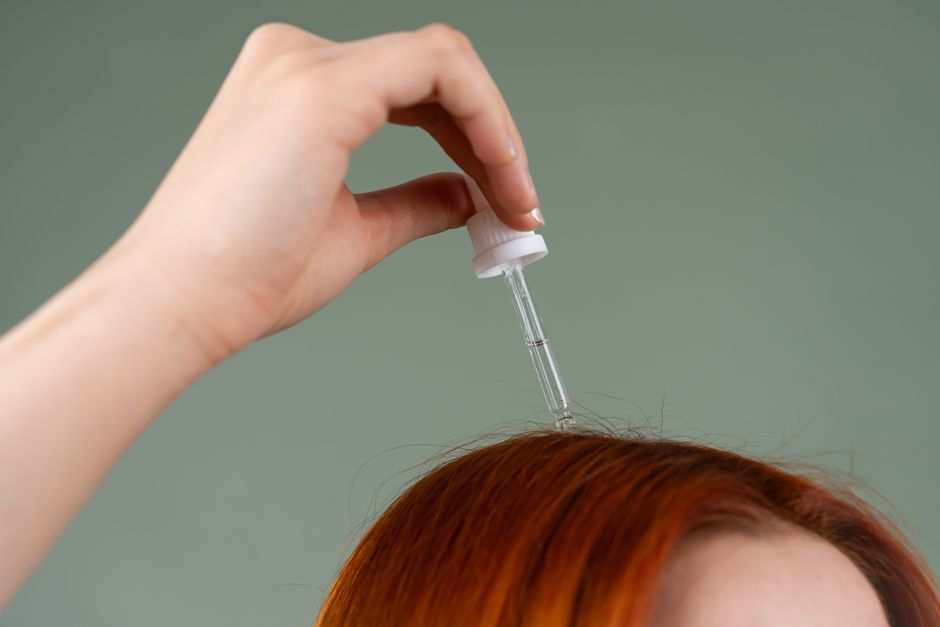
Losing more hair than usual is common in women, and it is almost never a sign that something is seriously wrong. The most frequent causes are telogen effluvium (a temporary shedding response to stress, illness, or hormonal change), androgenetic alopecia (female pattern hair loss, which is largely genetic), thyroid problems, iron deficiency, and the hormonal shifts of pregnancy, childbirth, and menopause. Most of these are treatable once the cause is identified.
Hair grows in cycles, and shedding is part of that cycle. The average person loses roughly 50 to 100 hairs a day. When that number climbs noticeably, or when hair starts coming out in clumps, it usually means something has shifted in the body. Finding out what shifted is the whole game.
Why Am I Losing So Much Hair Causes For Women?
There are five causes behind most cases of excessive hair shedding in women. They often overlap, which is why a single explanation rarely fits.
Telogen effluvium is the medical term for a sudden increase in shedding. It happens when a large number of hair follicles enter the resting phase of the growth cycle at the same time, then release their hairs a few months later. Common triggers include severe illness, high fever, surgery, major weight loss, significant emotional stress, and childbirth. The shedding typically begins two to three months after the trigger, which is why the connection is often missed.
Androgenetic alopecia is female pattern hair loss. It is driven by genetics and hormones, and it tends to thin hair at the part line and crown rather than at the temples. It is the most common cause of permanent hair loss in women, and it becomes more common with age.
Thyroid disorders affect the hair growth cycle. Both an underactive and an overactive thyroid can cause diffuse thinning. The hair loss usually reverses once thyroid levels are treated and stabilized.
Iron deficiency is a frequent contributor, even without anemia. Ferritin, the protein that stores iron, can be low while hemoglobin remains normal. Many clinicians check ferritin when evaluating hair loss in women.
Hormonal shifts around pregnancy, childbirth, stopping hormonal birth control, and menopause all change the hair cycle. Postpartum shedding is one of the most predictable forms of telogen effluvium and almost always resolves on its own.
Less common causes include certain medications, autoimmune conditions such as alopecia areata, scalp infections, and very restrictive diets. A dermatologist can usually narrow the list with a physical exam and a few blood tests.
How Much Hair Loss Is Normal and When Should I Worry?
Shedding up to about 100 hairs a day is normal. The number that matters is not a fixed threshold but a change from your own baseline.
Watch for these signs that suggest more than routine shedding:
- Hair coming out in larger clumps, especially in the shower or on the pillow
- A visible widening of the part line
- Scalp showing through more than before
- Thinning that persists beyond a few months
- Patches of smooth, bare skin
- Scalp itching, redness, scaling, or pain
A simple test some clinicians suggest is the pull test: grasp a small section of hair and give a gentle tug. A few hairs coming out is normal. Consistently pulling out several hairs at once from multiple areas suggests active shedding worth investigating.
See a doctor if the loss is patchy, if the scalp looks inflamed, if you have other symptoms such as fatigue or unexplained weight change, or if shedding has not settled within several months. Sudden shedding with no obvious trigger deserves a check.
How Do Hormones and Life Stages Affect Hair Loss in Women?
Hormonal change is the single most common thread running through hair loss in women. The hair follicle is sensitive to shifts in estrogen, progesterone, androgens, and thyroid hormone.
During pregnancy, high estrogen levels keep many hairs in the growth phase, so women often notice thicker hair. After delivery, estrogen drops sharply and all those retained hairs move into the resting phase together. The result is heavy shedding starting roughly two to four months after birth. It generally resolves within six to twelve months. No treatment is usually needed.
Menopause brings a decline in estrogen and a relative increase in androgen activity, which can accelerate female pattern hair loss. The thinning tends to be gradual and centered on the part line and crown.
Polycystic ovary syndrome (PCOS) is another hormonal driver. Elevated androgens can cause thinning at the scalp along with excess facial or body hair. Some clinicians prescribe combined hormonal contraceptives or other anti-androgen treatments for hair loss linked to PCOS, though response varies and these are medical decisions made with a clinician.
Stopping hormonal birth control can trigger a temporary shed in some women, similar to the postpartum pattern. It usually settles within a few months.
Can Nutrition and Diet Cause Excessive Hair Shedding?
Hair is a fast-growing tissue and it is sensitive to nutrient shortages. When the body is short on key nutrients, it tends to prioritize vital organs over hair growth.
Iron is the most studied. Low ferritin stores are common in women, particularly those with heavy periods or a vegetarian diet, and are frequently linked to increased shedding. Some research suggests correcting low iron stores can improve hair growth, though results vary and the evidence is not uniform across studies.
Other nutrients that matter for hair include protein, zinc, vitamin D, vitamin B12, and certain B vitamins. Severe protein restriction, as in crash diets or eating disorders, can cause significant shedding. Rapid weight loss from any cause is a known trigger for telogen effluvium.
What the evidence does not support is taking supplements when you are not deficient. No study has confirmed that hair supplements help women with normal nutrient levels. Many over-the-counter hair, skin, and nail products contain biotin, and there is limited evidence that biotin helps hair growth in people who are not deficient. High-dose biotin can also interfere with certain lab tests, including thyroid tests and some cardiac markers, which is a real safety consideration worth knowing.
If you suspect a deficiency, a blood test is the sensible starting point rather than guessing with supplements.
What Treatments Actually Help Hair Loss in Women?
Treatment depends on the cause, and the right approach for one type of hair loss can be wrong for another.
For telogen effluvium, the main approach is removing the trigger. Once the stress, illness, or nutritional gap resolves, hair usually regrows on its own over several months. No medication is typically needed.
For female pattern hair loss, a small number of treatments have meaningful evidence behind them. Topical minoxidil is the most studied and is available over the counter in the United States. It can slow loss and support regrowth in some women, though results vary and it must be used consistently. Some clinicians prescribe oral medications such as spironolactone or finasteride for pattern hair loss, but these are off-label in women in many cases and carry important risks, including serious risks in pregnancy. These are decisions for a doctor, not a self-treatment.
Low-level laser therapy and platelet-rich plasma injections are used in some clinics. The evidence for both is mixed and not strong enough to call them established treatments. Results vary across studies, and they are generally considered adjuncts rather than first-line options.
Hair transplants can be an option for some women with pattern loss, but candidacy depends on the pattern and extent of thinning.
What has not been shown to reverse hair loss: most shampoos marketed for thinning, scalp massage devices, and unproven supplements. Some may support scalp health, but no strong evidence confirms they regrow hair.
When Should You See a Doctor About Hair Loss?
See a doctor when hair loss is sudden, patchy, accompanied by scalp symptoms, or persistent beyond a few months. These patterns point to causes that benefit from proper diagnosis.
A typical evaluation includes a medical history, a scalp exam, and blood tests. Clinicians commonly check thyroid function, ferritin and iron studies, vitamin D, and sometimes reproductive hormones. The goal is to find the cause rather than treat symptoms blindly.
Dermatologists are the specialists most experienced with hair disorders. A referral makes sense if the cause is unclear, if pattern hair loss is suspected, or if initial treatment has not helped.
One practical point: hair grows slowly. Any treatment takes months to show visible change, and shedding often continues briefly before it improves. Patience is part of the process, and so is following up if nothing changes.
Frequently Asked Questions
What is the most common cause of hair loss in women?
Female pattern hair loss (androgenetic alopecia) is the most common cause of permanent hair thinning in women. Telogen effluvium is the most common cause of temporary, sudden shedding.
How long does stress-related hair shedding last?
Telogen effluvium usually begins two to three months after the trigger and typically resolves within six to twelve months once the trigger is gone. Shedding that persists longer should be evaluated by a doctor.
Can low iron cause hair loss in women?
Low iron stores, measured by ferritin, are frequently linked to increased shedding in women. Some research suggests correcting the deficiency can help, though results vary and blood testing is the sensible first step.
Does biotin help with hair loss?
There is limited evidence that biotin helps hair growth in people who are not deficient. High-dose biotin can also interfere with certain lab tests, so it is worth discussing with a doctor before taking it.
