
Losing eyebrow hair is more common than most people realize, and it rarely happens for random reasons. Eyebrow hairs grow on a shorter cycle than scalp hair, so when something disrupts that cycle, thinning shows up faster and becomes more noticeable. The cause usually falls into one of a few categories: a skin condition, a thyroid or hormonal issue, an immune response, a nutritional deficiency, or simple over-grooming. Figuring out which one applies to you is the first step toward understanding what is happening.
How Eyebrow Hair Growth Actually Works
Eyebrow hairs grow for just a few months before shedding, compared with years for scalp hair. That short growth phase is why eyebrows never get long, and it is also why they can thin quickly when something goes wrong.
Each follicle cycles through three phases. During the growth phase, the hair lengthens. During a transition phase, growth stops. During the resting phase, the hair sits in place before falling out. Because eyebrow hairs spend a large share of their time in the resting phase, the total number of visible hairs is smaller than on the scalp.
This matters for one practical reason. A disruption that would barely register on your head can look dramatic on your brow. A mild nutritional shortage or a temporary immune flare may not thin your scalp at all, yet it can leave visible gaps above your eyes.
It also means regrowth is slow but possible. When the underlying trigger resolves, eyebrow follicles can usually restart the growth cycle. The timeline is measured in months, not days, because the resting phase has to finish first.
Why Am I Losing My Eyebrow Hair? The Most Common Root Causes
Several distinct conditions can cause eyebrow thinning, and they do not all look the same. The pattern of loss, whether the skin is involved, and whether other body hair is affected all point toward different answers.
Over-Grooming and Traction
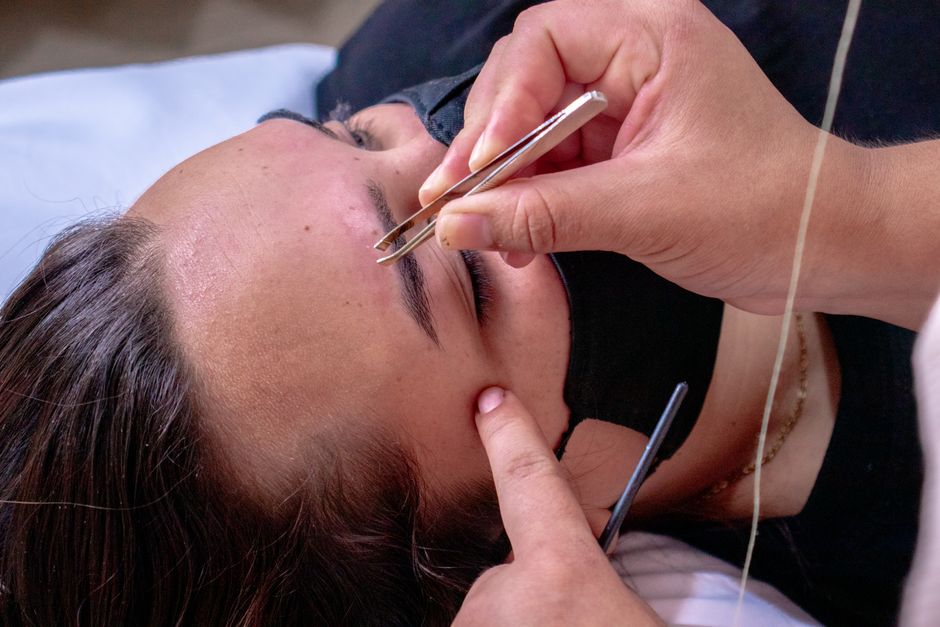
This is the most common and most overlooked cause. Years of plucking, waxing, and threading can damage the follicle itself. When pulling is repeated often enough, scar tissue can form, and a scarred follicle cannot regrow hair.
The telltale sign is a shape that matches your grooming habits. If the thinning follows the areas you have plucked for years, over-grooming is the likely culprit. This type of loss is often permanent once scarring sets in, which is why it is worth catching early.
Thyroid Problems
Both an underactive and an overactive thyroid can cause eyebrow thinning. In hypothyroidism, the loss often affects the outer third of the eyebrow, closest to the temple, though this classic pattern is not universal.
Thyroid-related hair loss usually comes with other clues. Fatigue, unexplained weight change, feeling cold or hot when others do not, and dry skin are common companions. A doctor can check thyroid function with a simple blood test.
Alopecia Areata
This is an autoimmune condition in which the body’s immune system attacks hair follicles. It can affect the scalp, the eyebrows, or both. When it targets the eyebrows, it often produces smooth, rounded patches of loss with no visible skin changes.
Alopecia areata is unpredictable. Hair can regrow on its own, and it can also fall out again. Some people lose only a small patch, while others experience more widespread loss. A dermatologist can usually identify it by examining the skin and hair pattern.
Skin Conditions
Seborrheic dermatitis, eczema, and psoriasis can all affect the eyebrow area. When the skin beneath the brow is inflamed, the follicle environment suffers, and hair can thin or shed.
These conditions usually come with visible signs. Flaking, redness, itching, or scaly patches on the brow point toward a skin condition rather than an internal cause.
Nutritional Deficiencies
Hair follicles are sensitive to nutrient shortages because they divide rapidly. Iron deficiency, low vitamin D, and insufficient protein intake have all been linked to hair shedding.
Zinc and biotin get a lot of attention, but the evidence is uneven. Biotin deficiency is genuinely rare in people who eat a varied diet, and supplementing when you are not deficient has not been shown to regrow hair. Iron deficiency, by contrast, is common and worth testing for, particularly in women who menstruate.
Hormonal Changes
Shifts in estrogen, testosterone, and other hormones can affect eyebrow density. Menopause, pregnancy, and thyroid disorders all fall into this category. Hormonal hair loss tends to be gradual rather than sudden.
Medications and Medical Treatments
Certain drugs list hair loss as a known side effect. Chemotherapy is the most familiar example, but some medications for blood pressure, acne, and other conditions can also contribute. If thinning started after a new prescription, that timing is worth mentioning to your doctor.
What Does the Pattern of Loss Tell You?
Where the hair disappears often narrows the list of causes. The pattern is a clue, not a diagnosis, but it can help you and your doctor ask better questions.
- Outer third thinning: often associated with an underactive thyroid, though this pattern alone is not proof.
- Smooth round patches: typical of alopecia areata.
- Thinning along a plucked shape: suggests over-grooming or traction.
- Diffuse thinning with flaking skin: points toward seborrheic dermatitis or another skin condition.
- Gradual loss across the whole brow: may relate to hormones, nutrition, or aging.
One clarification worth knowing: eyebrow hair naturally thins with age. Density tends to decline over decades, so some loss is expected rather than a sign of disease. The question is whether the change is faster or more patchy than normal aging would explain.
When Should You See a Doctor?
See a doctor if the loss is sudden, patchy, or accompanied by other symptoms. Rapid shedding, smooth bald patches, or thinning alongside fatigue, weight change, or skin rashes all warrant a medical evaluation.
You should also seek care if the loss is one-sided, if the skin looks inflamed or scaly, or if you have lost hair elsewhere on the body. These features point away from simple grooming-related thinning.
A doctor will typically ask about your grooming habits, medical history, and medications. Blood tests may check thyroid function, iron levels, and vitamin D. In some cases, a small skin sample may be taken to look at the follicles directly.
There is no single test that covers every cause. Diagnosis is usually a process of elimination, guided by your history and the pattern of loss.
What Can Be Done About Eyebrow Hair Loss?
Treatment depends entirely on the cause, which is why guessing rarely helps. The same thinning can require very different approaches depending on whether the root is immune, hormonal, nutritional, or mechanical.
For over-grooming, the main step is to stop the pulling and give the follicles time. If scarring has already occurred, regrowth may not be possible. This is one reason to be cautious with aggressive plucking over many years.
For thyroid-related loss, treating the underlying thyroid condition is the focus. Hair regrowth typically follows once hormone levels are corrected, though it can take several months.
For alopecia areata, options include topical treatments, injections, and other therapies prescribed by a dermatologist. Response varies widely, and no single approach works for everyone.
For nutritional causes, correcting the specific deficiency matters. Taking a broad supplement without knowing what you lack is unlikely to help and may not be harmless. Iron overload, for instance, carries its own risks.
For skin conditions, treating the inflammation is the priority. When the skin calms down, the follicle environment often improves.
Cosmetic options exist for anyone waiting on regrowth or dealing with permanent loss. Eyebrow pencils, powders, tints, and microblading can all restore the appearance of fullness. These do not treat the cause, but they are a legitimate way to manage the visible effect.
What Does Not Work
A lot of eyebrow products promise regrowth without evidence to back it up. It is worth being skeptical of anything marketed as a guaranteed fix.
Biotin supplements are widely sold for hair growth. In people who are not deficient, there is no good evidence that biotin regrows eyebrow hair. Biotin can also interfere with certain lab tests, including thyroid and heart tests, which is a real safety concern.
Some over-the-counter serums contain ingredients with limited supporting data. A few prescription products have more evidence behind them for specific conditions, but these require a diagnosis first.
No topical product can reverse hair loss caused by a scarred follicle, an untreated thyroid condition, or an active autoimmune flare. Treating the surface while ignoring the cause rarely produces lasting results.
Frequently Asked Questions
Can eyebrow hair grow back on its own?
Yes, in many cases it can regrow once the underlying cause is resolved. Regrowth is usually slow and may take several months because eyebrow follicles spend a long time in the resting phase.
Is losing eyebrow hair a sign of a thyroid problem?
It can be, especially when the outer part of the brow thins. Thyroid problems are only one possible cause, so a blood test is needed to confirm or rule it out.
Does plucking eyebrows cause permanent hair loss?
Repeated plucking over many years can scar the follicle and lead to permanent loss. If thinning follows the shape you have plucked, stopping may help, but scarred follicles may not regrow.
Should I take biotin for eyebrow hair loss?
There is no good evidence that biotin helps unless you have a genuine deficiency, which is rare. Biotin can also interfere with certain lab tests, so talk to your doctor first.
