
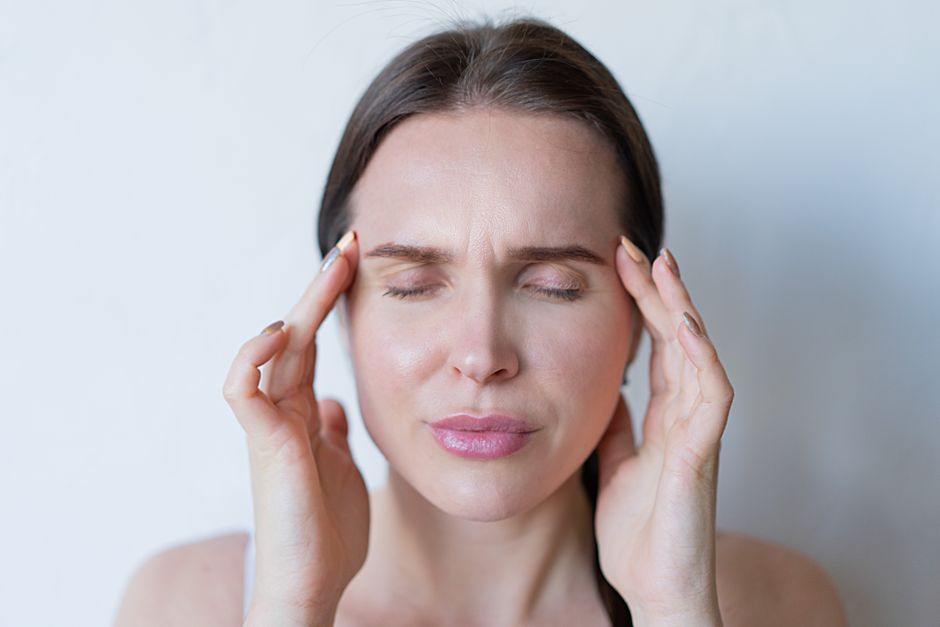
Feeling hot and having a headache at the same time is a common combination, and it usually points to one of a few well-understood processes: your body is fighting an infection, your blood vessels are responding to a trigger like caffeine withdrawal or a medication, or your hormones are shifting. Sometimes the two symptoms share a single cause. Sometimes they are two separate things happening at once.
The pairing matters because it narrows the list. A headache alone has dozens of possible explanations. A headache plus a feeling of heat or flushing points toward causes that affect both your temperature regulation and your blood vessels or pain pathways. This article walks through the most common root causes, how to tell them apart, and when the combination deserves medical attention.
Why Am I Hot And Have A Headache?
Fever is the most common reason the two symptoms appear together. When your immune system detects an infection, it releases signaling molecules called pyrogens that tell your brain’s thermostat — a region called the hypothalamus — to raise your body’s target temperature. You feel hot because you are hot. The same immune signals trigger inflammation that can cause headache.
But not everyone who feels hot actually has a fever. Flushing — a sensation of heat with visible redness, especially in the face and neck — comes from blood vessels near the skin widening. That dilation can happen with hormonal changes, alcohol, certain foods, and some medications. Headache can ride along because the same chemical signals that dilate blood vessels in your face can dilate them in your head.
So the honest starting point is a simple question: do you have an actual fever, or do you feel hot? A thermometer answers this in thirty seconds and changes the whole picture. A measured fever points toward infection or inflammation. A feeling of heat without a fever points toward flushing, hormonal shifts, or a reaction to something you ate, drank, or took.
What Infections Cause Feeling Hot And A Headache?
Viral infections are the most frequent culprit. Influenza, COVID-19, and other common respiratory viruses typically cause fever, headache, and body aches together. The headache in these cases is not a side effect — it is part of the immune response, driven by the same inflammatory chemicals that raise your temperature.
Other infections that commonly produce this pairing include:
- Sinusitis — inflamed sinuses cause pressure headaches, and the infection can produce low-grade fever.
- Strep throat and other bacterial infections — fever with headache is common, especially in children and young adults.
- Urinary tract infections — these can cause fever and headache, sometimes without the urinary symptoms people expect.
- Gastrointestinal infections — fever, headache, and nausea often travel together.
Most viral infections resolve on their own within about a week to ten days. Bacterial infections may need antibiotics, which is a decision for a clinician. The pattern of your symptoms — how high the fever goes, how fast it came on, what else is happening — matters more than any single symptom.
Can Hormones Cause Hot Flashes And Headaches Together?
Yes, and this is one of the most common reasons women in their forties and fifties experience both symptoms at once. During perimenopause and menopause, falling estrogen levels affect the hypothalamus — the same brain region that controls body temperature. When estrogen fluctuates, the hypothalamus can become confused about whether you are too warm, triggering a hot flash and sometimes a headache in the same episode.
Migraine and hormonal shifts are closely linked. Many women notice migraines clustering around their menstrual period, when estrogen drops sharply. The same drop can trigger hot flashes in perimenopause. When both happen together, it can feel like a single event rather than two separate symptoms.
Menstrual migraines are well documented. The evidence for a direct hormonal link between hot flashes and headaches is strong for migraine specifically, and less clear for tension-type headaches. If you are in the perimenopausal age range and notice this pattern, it is worth mentioning to your doctor — the timing and pattern can help distinguish hormonal causes from other ones.





Can Food, Alcohol, Or Caffeine Cause This Combination?
Alcohol is a well-known trigger for both flushing and headache. It dilates blood vessels and acts as a diuretic, which can lead to mild dehydration — another headache trigger. Some people, particularly those of East Asian descent, have a genetic variant that makes alcohol flushing more pronounced.
Caffeine is more interesting than most people realize. It constricts blood vessels in the brain, which is why it can temporarily relieve a headache. When you stop caffeine abruptly, those vessels dilate again, producing a withdrawal headache. Some people also feel warm or flushed during caffeine withdrawal, though this is less consistent than the headache itself.
Aged cheeses, cured meats, and fermented foods contain tyramine, a compound that can trigger headaches in sensitive people. Some of these foods also cause flushing in people taking certain medications, particularly older antidepressants called MAO inhibitors. This is a specific interaction, not a general rule — but it is worth knowing if you take that class of medication.
What Medications Can Cause Feeling Hot And Headaches?
Several common medications list both flushing and headache as side effects. Niacin (vitamin B3) is the classic example — at higher doses it causes a distinct flushing reaction that can come with a headache. This is a known effect, not a sign of allergy, though it can be uncomfortable.
Other medications that can produce this combination include:
- Blood pressure medications — especially calcium channel blockers like nifedipine, which commonly cause flushing.
- Nitrates — used for chest pain, these dilate blood vessels and frequently cause headache.
- Hormone treatments — estrogen and testosterone therapies can cause both flushing and headache.
- Some antidepressants — particularly SSRIs and MAO inhibitors, which can affect temperature regulation and vascular tone.
If you started a new medication and noticed this combination shortly after, the timing is the most useful clue. Do not stop a prescribed medication on your own. Call your prescriber or pharmacist and describe what you are experiencing.
When Is Feeling Hot With A Headache a Medical Emergency?
Most cases are not emergencies. But a few specific patterns need immediate attention.
Seek emergency care if you have a fever above 103°F (39.4°C) that does not come down with fever-reducing medication, or any fever above 100.4°F (38°C) in an infant under three months old. A sudden, severe headache — often described as the worst headache of your life — combined with fever and a stiff neck can indicate meningitis, which is a medical emergency.
Other warning signs include:
- Confusion, difficulty speaking, or trouble staying awake
- A rash that does not fade when you press on it
- Severe sensitivity to light
- Chest pain, difficulty breathing, or a racing heart
- Headache after a head injury
- Weakness or numbness on one side of the body
These signs do not mean you have a serious condition. They mean the possibility needs to be ruled out quickly. That distinction matters — most people with fever and headache have a routine infection, but the exceptions are the ones that need fast action.
How Can You Tell What Is Causing It?
Start with a thermometer. A measured fever shifts the likely cause toward infection. No fever with flushing shifts it toward hormonal, dietary, or medication causes.
Then look at timing and pattern:
- Sudden onset with body aches — likely viral infection.
- Cyclical, tied to your menstrual cycle — likely hormonal.
- Within an hour of eating or drinking — likely a food or alcohol trigger.
- Started after a new medication — likely a side effect.
- Gradual onset with sinus pressure — likely sinusitis.
Keeping a simple log for a week or two — what you ate, when symptoms started, whether you had a fever — often reveals a pattern that is invisible day to day. Bring that log to your doctor if the symptoms keep happening. Patterns are far more useful to a clinician than a single episode.
Frequently Asked Questions
Does a fever always come with a headache?
No. Many people have a fever without any headache at all. When both happen together, it usually means the infection or inflammation is affecting the same signaling pathways that control temperature and pain.
Can stress cause you to feel hot and have a headache?
Yes. Stress triggers the release of adrenaline and cortisol, which can raise your heart rate, cause flushing, and tense the muscles in your neck and scalp. That combination can produce a feeling of heat along with a tension-type headache.
Why do I wake up hot with a headache?
Waking up hot with a headache can happen with sleep apnea, low blood sugar overnight, alcohol the night before, or hormonal shifts during perimenopause. If it happens often, it is worth discussing with a doctor rather than assuming a single cause.
When should I see a doctor for feeling hot and having a headache?
See a doctor if the symptoms last more than a few days, keep returning, or come with warning signs like a stiff neck, confusion, or a rash that does not fade when pressed. A fever above 103°F (39.4°C) that does not respond to fever-reducing medication also warrants medical care.
