
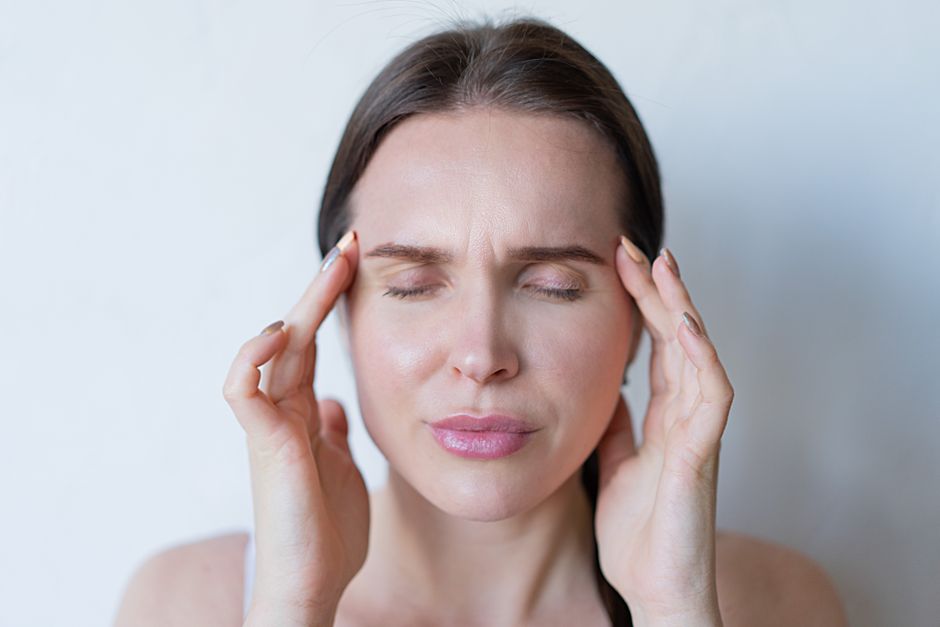
A headache is pain anywhere in the head or neck, and it happens when pain-sensitive structures in and around the brain send signals that something is off. The brain itself has no pain receptors. The pain comes from the tissues around it: blood vessels, muscles, nerves, and the membranes that cover the brain. Most headaches fall into a few well-understood patterns, and figuring out which pattern yours follows is the first step to understanding why it keeps happening.
Headache is one of the most common reasons people visit a doctor. The World Health Organization has estimated that about half of adults worldwide had a headache in the past year. Most of these are not dangerous. A small number are, and knowing the difference matters.
Why Am I Having A Headache? Causes And Triggers
Headaches are grouped into two broad types: primary and secondary. Primary headaches are the condition itself, not a symptom of something else. Secondary headaches are caused by another problem, such as an infection, a medication, or in rare cases a bleed or tumor.
The three most common primary headaches are tension-type headache, migraine, and cluster headache. Each has a different mechanism, a different pain pattern, and a different set of triggers.
Tension-type headache
This is the most common headache overall. The pain is usually on both sides of the head, feels pressing or tightening, and is mild to moderate. It does not usually stop you from working or moving. The old idea that it comes from tight scalp and neck muscles is partly true, but research suggests the underlying cause is more about how the brain processes pain signals than about muscle tension alone. Stress, poor sleep, skipped meals, and long hours at a screen are common triggers.
Migraine
Migraine is not just a bad headache. It is a neurological condition with a genetic basis. During an attack, the pain is usually on one side, throbbing, moderate to severe, and made worse by movement. Nausea, vomiting, and sensitivity to light and sound are common. Some people get an aura first, which can include visual changes like flashing lights or blind spots.
Migraine involves the trigeminal nerve and the blood vessels it supplies. A wave of altered electrical activity moves across the brain surface, and the nerve releases chemicals that cause inflammation and pain. This is well established. What triggers an attack in any one person is more individual.
Cluster headache
Cluster headache is less common but far more severe. The pain is on one side, usually around one eye, and comes with a drooping eyelid, a small pupil, tearing, or a runny nose on the same side. Attacks often come in clusters over weeks or months, often at the same time of day or night. It is more common in men. The cause involves the hypothalamus, the brain region that controls the body’s internal clock.
What Triggers A Headache?
Triggers are not the same as causes. A trigger is something that tips an already sensitive system into an attack. Not everyone with the same headache type reacts to the same triggers.
Common triggers reported by people with migraine include:
- Changes in sleep, both too little and too much
- Skipped meals and dehydration
- Stress, and the letdown after stress ends
- Hormonal changes around menstruation
- Bright or flickering light, strong smells, and loud noise
- Alcohol, particularly red wine
- Certain foods, though this varies widely between people
The food trigger question deserves honesty. Many people believe chocolate, cheese, or caffeine cause their migraines. Some studies suggest certain foods can trigger attacks in some people, but the evidence is mixed and food triggers are hard to study because cravings can occur in the early hours of a migraine before the pain starts. In other words, the food you crave may be an early sign of the attack, not the cause.
Caffeine is a special case. It can relieve a headache in the short term because it narrows blood vessels and blocks a pain-signaling chemical called adenosine. But regular heavy use can lead to withdrawal headaches when you skip it. This is a real and common pattern.
What Causes Secondary Headaches?
Secondary headaches have an identifiable underlying cause. Most are not serious, but a few are. Getting the serious ones ruled out is the main reason doctors ask detailed questions about a new headache.
Common causes include:
- Sinus infection, which usually comes with facial pressure, congestion, and sometimes fever
- Medication overuse, from taking pain relievers too often
- High blood pressure, though this causes headache less often than people assume
- Dehydration and missed meals
- Neck problems and jaw clenching
- Sleep apnea, which can cause morning headaches
- Alcohol hangover
Rare but serious causes include bleeding around the brain, meningitis, a stroke, a tumor, and a sudden rise in blood pressure. These are uncommon. The warning signs below are what doctors use to decide who needs urgent imaging or testing.
When Is A Headache A Medical Emergency?
Most headaches are not emergencies. A small set of warning signs, often called red flags, should prompt urgent medical care. Doctors use these because they help identify the rare serious causes.
Seek emergency care for a headache that:
- Comes on suddenly and severely, like a thunderclap, reaching peak intensity within seconds to a minute
- Comes with fever and a stiff neck
- Comes with weakness, numbness, trouble speaking, vision loss, or confusion
- Follows a head injury
- Is the worst headache of your life
- Comes with a seizure or fainting
- Starts during pregnancy or shortly after childbirth
A thunderclap headache is the most important one to recognize. It can be a sign of bleeding around the brain and needs immediate evaluation. It is rare, but it is not something to wait out.
See a doctor soon, but not necessarily in an emergency, if your headaches are new after age 50, keep getting worse over weeks, wake you from sleep, change in pattern, or come with a change in personality or thinking.
Why Do I Wake Up With A Headache?
Morning headaches have a few common explanations. Sleep apnea is one of the most overlooked. When breathing pauses during sleep, oxygen drops and carbon dioxide rises, and this can produce a headache on waking. Snoring, daytime fatigue, and unrefreshing sleep are clues.
Other causes include caffeine withdrawal overnight, dehydration, teeth grinding, and sleeping in an awkward position that strains the neck. Migraine can also strike in the early morning hours. If morning headaches are frequent, a sleep evaluation is worth discussing with a doctor.
Can I Prevent Headaches?
For frequent headaches, prevention focuses on the basics that the evidence supports well. Regular sleep and wake times, regular meals, and staying hydrated help many people. Regular physical activity is associated with fewer headaches in some studies, though the effect is modest.
Keeping a headache diary can help you spot patterns in sleep, food, stress, and hormonal cycles. It is more reliable than memory.
For people with frequent or disabling migraine, doctors may prescribe preventive medications. These are established treatments, but which one suits you depends on your health history, and this is a decision to make with a clinician. Behavioral approaches such as cognitive behavioral therapy and relaxation training have some evidence for migraine prevention.
One point worth clarifying: over-the-counter pain relievers are effective for occasional headaches, but using them frequently can cause medication overuse headache, a condition where the medication itself keeps the pain going. This is well documented. If you are taking pain relievers more than a couple of days a week, that is a conversation to have with a doctor.
How Are Headaches Treated?
Treatment depends on the type. For occasional tension-type headaches, over-the-counter pain relievers such as acetaminophen or ibuprofen are often effective when taken early. For migraine, the same drugs can help mild attacks, and prescription options exist for more severe ones.
Resting in a dark, quiet room helps many people with migraine. Cold packs can ease some headaches. These are supportive measures, not cures.
Cluster headache is treated differently and usually needs a specialist. Oxygen therapy and specific prescription medications are used, and prevention is a major part of care.
The evidence for most headache treatments is strongest for prescription medications studied in clinical trials. The evidence for supplements and lifestyle products marketed for headaches is much weaker. Some studies suggest magnesium may help prevent migraine in some people, but results vary and it is not a substitute for medical care.
Frequently Asked Questions
Why do I keep getting headaches every day?
Daily headaches often point to medication overuse, chronic tension-type headache, or poorly controlled migraine. A doctor can help sort out which pattern fits and whether stopping a pain reliever is part of the answer.
What is the most common cause of headaches?
Tension-type headache is the most common primary headache, and stress, poor sleep, and skipped meals are among its most common triggers. Migraine is the second most common and is often more disabling.
When should I worry about a headache?
Worry when a headache is sudden and severe, comes with fever and a stiff neck, follows a head injury, or brings weakness, confusion, or vision changes. Those signs need urgent medical care.
Can dehydration cause a headache?
Yes, dehydration is a well-recognized headache trigger, and even mild fluid loss can bring one on in some people. Drinking water and eating regular meals helps prevent this type.
