
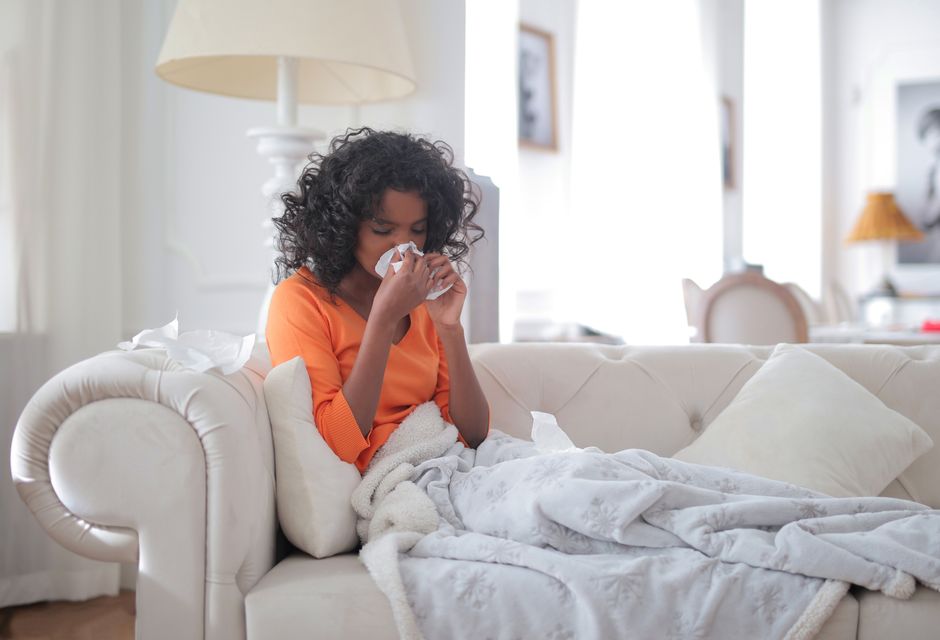
Chills are your body’s way of raising its own temperature. When your internal thermostat resets upward, your muscles contract and relax rapidly to generate heat, and that shaking is what you feel as chills. Most of the time it means your body is fighting an infection, but there are several other causes worth knowing about.
Why Am I Getting The Chills? Causes Explained
Chills happen when your hypothalamus — the part of your brain that acts as a thermostat — decides your body needs to be warmer than it currently is. It sends signals to your muscles to contract and relax quickly. That rapid muscle activity produces heat. The shaking you feel is the visible result of your body trying to close the gap between its current temperature and the new, higher target.
This is the same mechanism behind shivering in cold weather. The difference is that chills can happen even when you are not cold. When they do, something else has told your brain to raise the set point.
A fever is the most common reason. During an infection, your immune system releases chemicals called pyrogens that tell the hypothalamus to raise your body temperature. Chills often come first, before the fever peaks. That is why you can feel freezing cold while your temperature is actually climbing.
Chills without fever point to other causes. These include low blood sugar, anxiety, certain medications, hormone changes, and reactions to blood transfusions or intravenous drugs. In rare cases, they signal a more serious problem.
What Infections Cause Chills?
Infections are the leading cause of chills. Any infection that triggers a fever can produce them.
- Viral infections — influenza, COVID-19, the common cold, and viral gastroenteritis frequently cause chills along with fever, body aches, and fatigue.
- Bacterial infections — strep throat, urinary tract infections, pneumonia, and skin infections can all raise body temperature and trigger chills.
- Malaria — this parasite infection is known for cycles of chills, fever, and sweating. It is a concern for people who have traveled to regions where malaria is common.
- Sepsis — a severe whole-body response to infection. Chills with high fever, rapid heart rate, confusion, or difficulty breathing require emergency care.
The pattern of chills can offer clues. Chills that come in waves with high fever and sweating in between may suggest a specific type of infection. Steady chills with a lower-grade fever are more typical of common viral illnesses.
One thing that surprises many people: the severity of chills does not reliably match the severity of the illness. A mild viral infection can produce intense shaking, while a more serious infection might cause only mild chills. How you feel overall matters more than how hard you are shaking.
Can You Get Chills Without a Fever?
Yes. Chills without fever are common and usually point to a different set of causes.
Low blood sugar is one of the most frequent. When blood glucose drops, the body releases adrenaline, which can cause shivering, sweating, and a feeling of cold. This is especially relevant for people with diabetes who take insulin or certain oral medications.
Anxiety and panic attacks can trigger chills through the body’s stress response. The surge of adrenaline and other stress hormones can make you feel cold and shaky even in a warm room.
Medications are another cause. Some drugs used for anesthesia, pain relief, and psychiatric conditions can affect the body’s temperature regulation. Chills are a known side effect of certain medications, including some antidepressants and antipsychotics.
Hormonal changes can also play a role. Menopause and perimenopause often bring hot flashes followed by chills as the body’s temperature regulation shifts. Thyroid disorders can have a similar effect.
Blood transfusion reactions and intravenous drug reactions can cause sudden chills. These are medical situations that require immediate attention.
When Are Chills a Sign of Something Serious?
Most chills are not dangerous on their own. They are a symptom, not a disease. But certain combinations of symptoms suggest a medical emergency.
Seek immediate medical care if chills come with any of the following:
- Fever above 103°F (39.4°C) in adults
- Difficulty breathing or shortness of breath
- Confusion, slurred speech, or trouble staying awake
- Rapid heart rate that does not slow with rest
- Stiff neck or severe headache
- Skin that feels cold, clammy, or looks mottled
- Chills after recent surgery or a medical procedure
These signs can indicate sepsis, meningitis, or another condition that needs urgent treatment. Sepsis in particular can progress quickly. Early recognition matters.
For infants and young children, the threshold for concern is lower. A fever in a newborn under 3 months old is always a reason to call a doctor right away. No clinical guidelines support waiting to see if it passes in this age group.
How Do You Stop Chills?
The right approach depends on what is causing them.
If chills come with a fever from a common infection, the goal is comfort. A light blanket can help if you feel cold. But do not pile on heavy blankets if your temperature is already high — that can make it harder for your body to release heat. Drink fluids to stay hydrated. Acetaminophen or ibuprofen can reduce fever and ease discomfort. Follow the dosing instructions on the package or from your doctor.
If chills are from low blood sugar, eating or drinking something with sugar will usually help within minutes. People with diabetes should follow their care plan for treating low blood sugar.
If chills are from anxiety, calming techniques like slow breathing can reduce the stress response. For persistent anxiety-related chills, talking to a mental health professional is worth considering.
If chills are from a medication, do not stop the medication on your own. Talk to your prescribing doctor. They can adjust the dose or switch to a different drug if needed.
For chills from hormonal changes like menopause, some clinicians recommend layered clothing and avoiding triggers like spicy food and caffeine. The evidence for lifestyle changes helping menopausal chills is mixed. Some people find relief; others do not.
What Does It Mean If You Have Chills and Body Aches?
Chills with body aches usually point to a viral infection. Influenza and COVID-19 are the most common culprits. Both trigger a strong immune response that causes fever, chills, muscle aches, and fatigue.
Other possibilities include:
- Dengue fever — a mosquito-borne virus that causes severe muscle and joint pain along with chills
- Lyme disease — a bacterial infection from tick bites that can cause chills, aches, and a characteristic rash
- Pneumonia — a lung infection that can cause chills, body aches, and a productive cough
The combination of chills and body aches is common and often not a reason for alarm. But if symptoms worsen after a few days, or if you have trouble breathing, get medical attention.
One non-obvious point: body aches from viral infections are not caused by the virus attacking your muscles directly. They come from the immune response — the same chemicals that raise your temperature also make your muscles and joints more sensitive to pain.
When Should You See a Doctor for Chills?
See a doctor if chills last more than a few days, if they come with a high fever that does not respond to fever-reducing medication, or if you have underlying health conditions that make infections more dangerous.
People with weakened immune systems — from chemotherapy, organ transplants, HIV, or certain medications — should take chills more seriously. Their bodies may not mount a normal fever response, so chills could be the main sign of a serious infection.
Also see a doctor if chills come with unexplained weight loss, night sweats, or swollen lymph nodes. These can be signs of conditions that need investigation.
For most people, chills from a common infection resolve on their own within a few days as the infection clears. If they do not, that is a signal to get checked.
Frequently Asked Questions
What causes chills without a fever?
Common causes include low blood sugar, anxiety, certain medications, and hormonal changes like menopause. If chills without fever persist or come with other symptoms, see a doctor to rule out underlying conditions.
Are chills a sign of infection?
Often yes. Chills are a common early sign of many infections, especially those that cause fever. But they can also come from non-infectious causes like low blood sugar, anxiety, or medication side effects.
When should I worry about chills?
Worry if chills come with a fever above 103°F (39.4°C), difficulty breathing, confusion, a stiff neck, or a rapid heart rate that does not slow with rest. These can signal a medical emergency.
Can anxiety cause chills?
Yes. Anxiety triggers the release of adrenaline and other stress hormones, which can cause shivering and a feeling of cold. This is a well-documented part of the body’s stress response.
