
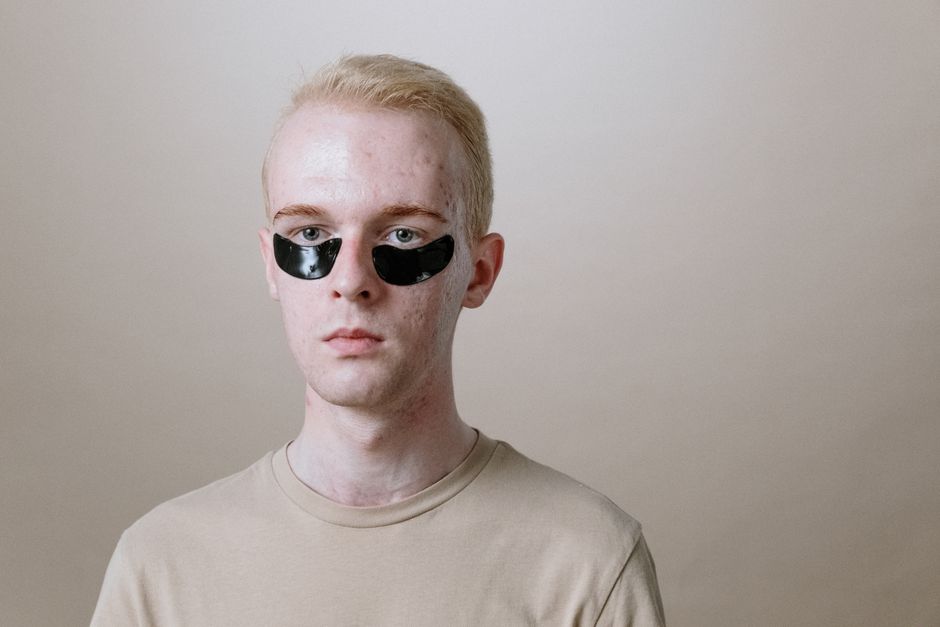
Chin pimples cluster in one spot for a reason: the chin has a dense supply of oil glands that respond strongly to hormones. When androgen levels shift, those glands produce more sebum, and that extra oil can plug a pore. Add the bacteria that normally live on skin, and a blocked pore can turn into an inflamed pimple. The chin is also a common site for hormonal acne patterns, which is why breakouts there often come in cycles rather than randomly.
What follows explains the mechanisms behind chin breakouts, why they differ from acne on other parts of the face, and what the evidence does and does not support for treatment. This is general information, not a diagnosis. Persistent or painful acne deserves a clinician’s eyes.
Why Am I Getting Pimples On My Chin Explained?
Chin acne is driven mostly by hormone-sensitive oil glands, and the chin sits in what dermatologists call the U-zone, along with the jawline and lower cheeks. Glands in this area have a strong response to androgens, the group of hormones that includes testosterone. When androgen signaling rises, sebum output rises with it.
Sebum itself is not the problem. The problem is what happens when excess sebum combines with dead skin cells inside a hair follicle. The follicle opening clogs, creating a comedone, which is the medical term for a blackhead or whitehead. Cutibacterium acnes, a bacterium that lives on healthy skin, then multiplies in the blocked follicle. The immune system responds with inflammation, and that inflammation is what makes a pimple red, swollen, and tender.
This sequence is well established. What varies from person to person is how strongly each step fires. Some people have oilier skin and never develop inflammatory acne. Others have normal oil production but follicles that shed skin cells poorly. The chin tends to concentrate the hormonal component, which is why it is a frequent site for cyclic breakouts in adults.
Why Does Chin Acne Follow a Monthly Cycle?
Many women notice chin breakouts in the days before menstruation, and the timing is not coincidence. In the luteal phase, the second half of the menstrual cycle, estrogen falls while progesterone rises. Progesterone has androgenic activity, and it can increase sebum production. The result is a predictable window of higher oil output, usually in the week before a period starts.
This pattern is common enough that clinicians recognize it as a distinct presentation, sometimes called cyclical acne. It does not mean something is wrong with your hormones in a disease sense. It means your oil glands are responding normally to a normal hormonal shift.
Conditions that raise androgen levels more substantially, such as polycystic ovary syndrome, can produce more persistent chin and jawline acne, often alongside other signs like irregular periods or excess facial hair. Those signs are worth raising with a clinician. They are not proof of a hormonal disorder on their own, but they are the pattern that warrants a closer look.
Can Stress and Sleep Affect Chin Breakouts?
Stress can worsen acne, though the effect is indirect and modest compared with hormones. During stress, the body releases cortisol, which can increase sebum production and influence how the skin’s immune system responds to inflammation. Some studies have found an association between higher stress and more acne severity, but the evidence is not strong enough to say stress causes acne in someone who would otherwise be clear.
Sleep matters in a similar indirect way. Poor sleep is linked to higher cortisol and to worse skin barrier function in some research. The honest position is that sleep and stress are contributing factors, not root causes. If your chin breaks out during a difficult month, stress may be part of the picture, but it is rarely the whole picture.
One clarification worth making: the old idea that stress directly causes acne through a single mechanism has not held up. The relationship is real but complex, and it runs through hormones and inflammation rather than a direct cause-and-effect line.
What About Diet, Dairy, and Sugar?
The diet-and-acne connection is one of the most debated topics in dermatology, and the evidence is genuinely mixed. Some studies suggest that high-glycemic diets, meaning diets heavy in refined carbohydrates and sugar, are associated with more acne. The proposed mechanism involves spikes in insulin, which can raise androgen activity and increase sebum. Other studies have found weaker or inconsistent effects.
Dairy has received similar attention. Some research suggests a link between milk consumption, particularly skim milk, and acne in adolescents. The evidence in adults is thinner. No clinical guideline currently recommends cutting dairy as a standard acne treatment, and doing so carries its own tradeoffs for calcium and protein intake.
What can be said with confidence: no single food causes acne in everyone. If you notice a consistent pattern between a specific food and your breakouts, tracking it for a few weeks is reasonable. Eliminating entire food groups based on internet claims is not well supported by the evidence.
Is It Acne, or Something Else?
Not every bump on the chin is acne, and the distinction matters because treatments differ. Several conditions can look similar, and a clinician can usually tell them apart by appearance and history.
- Folliculitis is inflammation of the hair follicle, often from shaving or bacteria. It looks like small red bumps and can resemble acne.
- Perioral dermatitis is a rash of small red bumps around the mouth and chin, sometimes triggered by topical steroid use. It is not acne and does not respond to acne treatments.
- Hidradenitis suppurativa is a chronic condition that causes painful lumps, often in skin folds, but can affect the chin. It requires medical management.
- Contact dermatitis from a product touching the chin can produce redness and bumps that mimic acne.
If your chin bumps are painful, deep, recurring in the same spot, or not responding to standard acne care, that is a reason to see a clinician rather than keep experimenting. Self-diagnosis through photos is unreliable, and the treatments for these conditions are different.
What Actually Helps Chin Pimples?
Standard acne care rests on a few well-established ingredients. The evidence for each varies, and none is a guaranteed fix.
Benzoyl peroxide reduces C. acnes bacteria and has modest anti-inflammatory effects. It is one of the most studied over-the-counter acne ingredients. Salicylic acid helps unclog pores by encouraging skin cell shedding. Both are supported by clinical evidence, though individual response varies.
For hormonal-pattern chin acne, some clinicians recommend combined oral contraceptives, which can reduce androgen activity and sebum production. This is a prescription decision and carries its own risks and contraindications, which a clinician should review. Spironolactone, an androgen-blocking medication, is also used by some clinicians for hormonal acne, though it is not approved by regulators specifically for acne in every country and its use is based on clinical experience as much as trial data.
What does not have strong evidence: spot treatments marketed as overnight fixes, most “detox” products, and devices sold without clinical testing. No study has confirmed that these outperform basic care.
What Daily Habits Reduce Chin Breakouts?
Basic skin care does more for chin acne than most people expect. The goal is to keep follicles from clogging without irritating the skin, since irritation itself can worsen inflammation.
- Wash your face twice daily with a gentle, non-comedogenic cleanser. Harsh scrubbing does not help and can damage the skin barrier.
- Use oil-free, non-comedogenic moisturizer and makeup. Products labeled non-comedogenic are less likely to clog pores, though the label is not a guarantee.
- Keep hands off your chin. Picking and resting your face on your hands transfers bacteria and can push inflammation deeper.
- Clean your phone screen and any items that touch your chin regularly.
- Change pillowcases often, especially if you sleep on your side or stomach.
- If you shave your chin, use a clean razor and shave with the grain to reduce follicle irritation.
These steps are reasonable and low-risk. They are not a cure, and they will not override a strong hormonal driver. Think of them as reducing the load on your skin, not as treatment on their own.
When Should You See a Clinician About Chin Acne?
Most mild chin acne can be managed with over-the-counter care and patience. Acne treatments typically take several weeks to show effect, and timelines vary by person and product. Some clinicians suggest giving a new routine a few months before judging it, though individual response differs.
See a clinician if you have deep, painful nodules or cysts, if acne is leaving scars, if it is affecting your daily life or mood, or if it is not improving after a reasonable trial of standard care. Also see one if chin breakouts come with signs of a hormonal disorder, such as irregular periods, excess facial hair, or sudden changes in your cycle.
Acne is common and treatable, but it is not a character flaw and it is not something you have to figure out alone. A clinician can help match the treatment to what is actually driving your breakouts.
Frequently Asked Questions
Why do I only get pimples on my chin?
The chin has a dense concentration of oil glands that respond strongly to hormones, which is why breakouts cluster there. Other areas of the face have fewer of these hormone-sensitive glands.
Are chin pimples a sign of hormonal imbalance?
Not necessarily. Cyclic chin breakouts are common in people with normal hormones, though persistent chin acne with other symptoms like irregular periods can warrant a closer look.
How long does it take for chin acne to clear?
Response varies by person and treatment, and no single timeline applies to everyone. Some clinicians suggest allowing several weeks to a few months before judging whether a routine is working.
Does toothpaste help get rid of chin pimples?
No. There is no clinical evidence that toothpaste treats acne, and it can irritate the skin. Standard acne ingredients like benzoyl peroxide or salicylic acid are better supported.
