
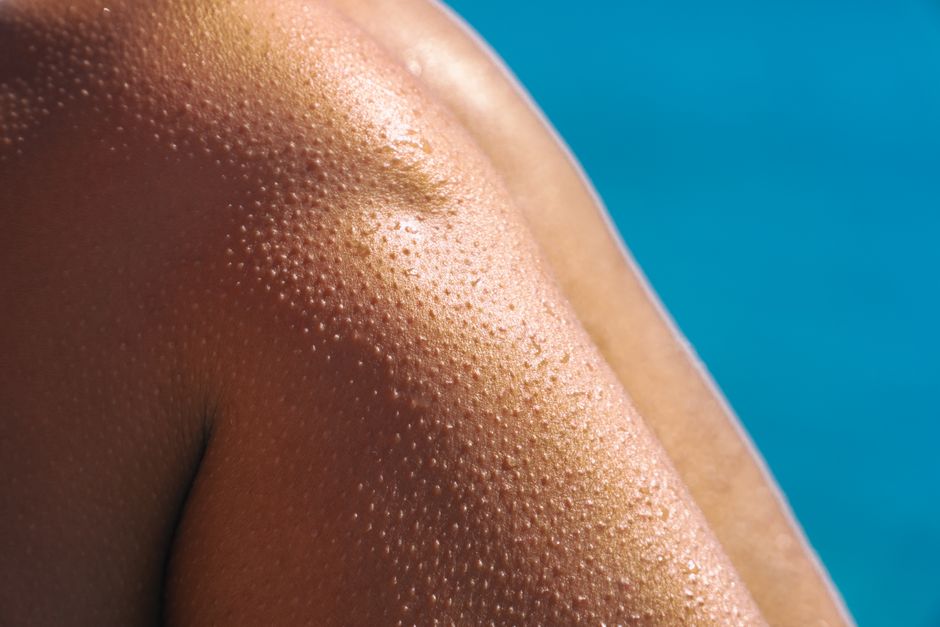
Bumps on the buttocks are extremely common, and most are harmless skin conditions rather than signs of anything serious. The most frequent causes are folliculitis (inflamed hair follicles), keratosis pilaris (tiny keratin plugs), acne, and irritation from friction and sweat. Most improve with simple changes like looser clothing, gentle cleansing, and avoiding picking or squeezing.
Where the bumps appear matters. The buttocks have thick skin, many hair follicles, and constant contact with fabric and seats. That combination makes them prone to clogged follicles, friction irritation, and sweat-related problems. Understanding which type you have is the first step to fixing it.
Why Am I Getting Bumps On My Butt Causes Fixes?
The skin on your buttocks is under near-constant pressure and friction. It sits against chairs, clothing, and underwear for most of the day. It also has a dense concentration of hair follicles and sweat glands. When those follicles get blocked, inflamed, or infected, you get bumps.
Sweat makes it worse. Trapped moisture softens the outer layer of skin and creates a warm environment where bacteria can multiply. Add friction from tight clothing and you have the three conditions most bumps need to form.
There is also a genetic component. Some people simply have follicles that clog more easily, or skin that reacts more strongly to friction. If a close family member has similar issues, that is a meaningful clue.
Hormones play a role too. Oil production is partly hormone-driven, which is why some people notice more bumps during certain phases of the menstrual cycle or during times of stress.
What Are the Most Common Types of Butt Bumps?
Most buttock bumps fall into a handful of categories, and each looks and behaves a little differently. Identifying yours helps you choose the right approach.
Folliculitis
Folliculitis is inflammation of a hair follicle, and it is probably the single most common cause of butt bumps. It looks like small red bumps or white-headed pimples centered on a hair. It can itch or feel tender.
It happens when bacteria, usually Staphylococcus, get into a follicle that has been irritated by friction, shaving, or sweat. Most cases are mild and settle on their own. Warm compresses and keeping the area clean and dry help.
Keratosis Pilaris
Keratosis pilaris causes tiny, rough, hard bumps that feel like sandpaper. It happens when keratin, a protein in skin, plugs the hair follicles. It is very common and completely harmless.
It tends to run in families and often appears on the upper arms and thighs as well as the buttocks. It is not infectious and does not spread. The bumps are usually skin-colored or slightly red and rarely itch.
Acne
Acne can appear anywhere there are oil glands, including the buttocks. It looks like blackheads, whiteheads, or deeper inflamed lumps. Butt acne is genuine acne and responds to the same principles as facial acne: unclogging pores and reducing inflammation.
Friction and Chafing
Sometimes bumps are not follicles at all. Repeated rubbing from seams, tight underwear, or sitting can cause irritation that looks bumpy and feels sore. This is more about mechanical irritation than infection.
Other Causes
Less common causes include ingrown hairs, small cysts, and heat rash (prickly heat) from blocked sweat ducts in hot weather. Some people develop small skin tags or harmless moles. A dermatologist can tell these apart if you are unsure.
How Do I Tell Which Type of Bump I Have?
You can narrow it down by looking at a few features. The pattern of the bumps, whether they itch, and where exactly they sit all give clues.
- Folliculitis: small red or white-headed bumps centered on hairs, sometimes tender, often in areas of friction or sweat.
- Keratosis pilaris: tiny rough bumps that feel like sandpaper, skin-colored or slightly red, not painful, often on thighs and arms too.
- Acne: blackheads, whiteheads, or deeper lumps, often with oily skin.
- Chafing: redness and soreness along skin folds or where clothing rubs, no clear hair-centered bumps.
This is a guide, not a diagnosis. Several conditions look similar, and more than one can be present at once. If the bumps are painful, spreading, or not improving after a few weeks of basic care, see a doctor or dermatologist.
What Makes Butt Bumps Worse?
Certain habits and conditions reliably make bumps worse. Removing them often helps more than any product.
Tight clothing is a major factor. Synthetic fabrics that trap sweat and rub against skin increase friction and moisture. Sitting for long periods, especially on warm surfaces, traps heat and sweat against the skin.
Picking and squeezing is the most common self-inflicted problem. It pushes bacteria deeper, causes scarring, and turns a minor bump into an inflamed one. Shaving or waxing over bumps can also irritate follicles and cause ingrown hairs.
Leaving sweat on the skin after exercise is another trigger. Showering soon after sweating and changing out of damp clothing reduces the chance of follicles becoming inflamed.
What Actually Helps Clear Butt Bumps?
Most mild butt bumps improve with consistent basic skin care. The goal is to reduce friction, keep the skin clean and dry, and avoid irritating the follicles further.
Wear loose, breathable clothing, especially cotton underwear. Change out of sweaty clothes promptly. Wash the area gently with a mild cleanser and avoid harsh scrubbing, which irritates skin and can worsen inflammation.
For keratosis pilaris, moisturizers containing urea or lactic acid can soften the rough plugs. Some clinicians recommend these, though results vary from person to person. For mild folliculitis, warm compresses and good hygiene are usually enough.
For acne-type bumps, products containing salicylic acid or benzoyl peroxide are commonly used. These can help unclog pores and reduce bacteria. Start with low strength to avoid irritation. If over-the-counter options do not help after several weeks, a doctor can recommend prescription treatments.
Do not use the same strong scrubs or acids on delicate areas without checking with a clinician. The skin here is thicker but still sensitive to irritation.
When Should I See a Doctor About Butt Bumps?
Most bumps are harmless and settle with basic care. Some situations warrant a professional look.
See a doctor if bumps are very painful, rapidly spreading, or accompanied by fever. These can signal a deeper infection that needs treatment. Also seek care if you notice a growing lump, a sore that does not heal, or significant bleeding.
Persistent bumps that do not improve after several weeks of consistent care are worth evaluating. A dermatologist can distinguish between conditions that look alike and recommend targeted treatment. This is especially true if you have a weakened immune system or a history of skin problems.
Recurring boils or deep, painful lumps in the same area can sometimes indicate a condition called hidradenitis suppurativa, which needs medical management. It is not something to self-treat.
Can I Prevent Butt Bumps From Coming Back?
Prevention focuses on the same principles as treatment: reduce friction, manage moisture, and avoid irritation.
Choose breathable fabrics and avoid tight clothing for long periods. Shower after sweating and dry the area thoroughly. Avoid picking at bumps, and be cautious with shaving or waxing if you are prone to ingrown hairs.
Keep the skin moisturized if you have keratosis pilaris, since dry skin worsens the rough texture. For acne-prone skin, consistent gentle cleansing matters more than harsh products.
There is no guaranteed way to prevent every bump, because genetics and hormones play a role. But most people can reduce frequency and severity with these habits.
Frequently Asked Questions
Are bumps on my butt usually serious?
No, most butt bumps are harmless skin conditions like folliculitis, keratosis pilaris, or acne. See a doctor if they are very painful, spreading, or do not improve after a few weeks.
What is the most common cause of butt bumps?
Folliculitis, which is inflammation of hair follicles, is probably the most common cause. It is often triggered by friction, sweat, and tight clothing.
Can I pop butt bumps?
No, you should not pop or squeeze them. Picking pushes bacteria deeper, causes scarring, and can turn a minor bump into an inflamed infection.
How long do butt bumps take to clear?
Mild bumps often improve within a few weeks with basic care like loose clothing and gentle cleansing. Persistent or painful bumps should be checked by a doctor.
