
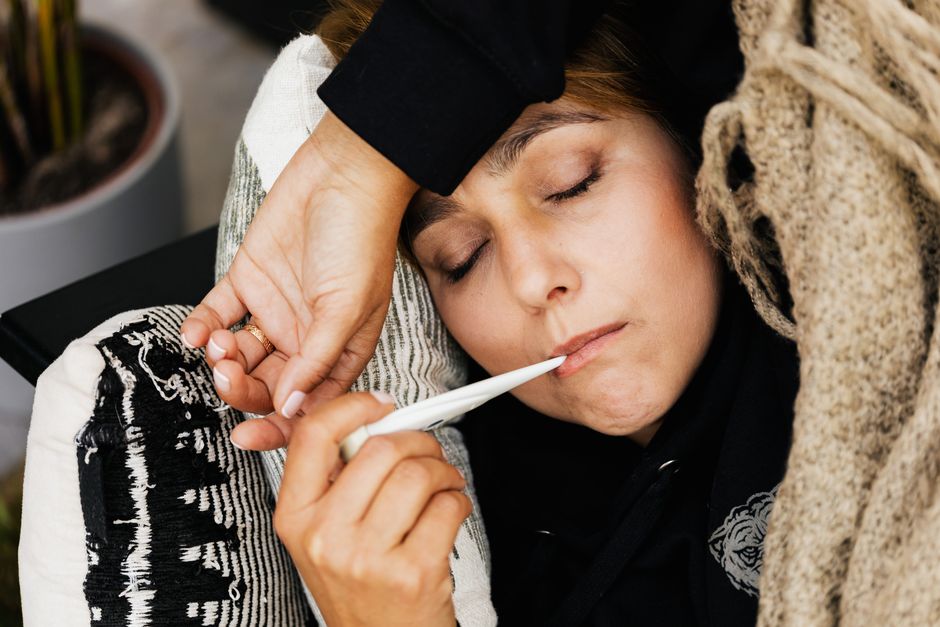
Feeling cold when others are comfortable is usually not a sign of anything serious. Your body runs on a narrow core temperature range, and small differences in body composition, circulation, hormones, and metabolism can change how cold you feel from day to day. But persistent coldness that is new, worsening, or paired with other symptoms is worth a closer look.
Cold is one of the ways the body signals that it is working harder to hold its core temperature. Sometimes the cause is simple, like low body fat or a cold room. Sometimes it reflects a thyroid problem, anemia, poor circulation, or another underlying condition. The pattern of your symptoms matters more than any single chill.
Why Am I Feeling Cold All The Time Health Causes?
Your body senses temperature through nerve endings in the skin and sends signals to the brain, which controls blood flow, shivering, and heat production. When that system is working normally, you feel cold when your skin cools and warm when it warms. Feeling cold all the time means one or more parts of that system are shifted — less insulation, less blood flow to the skin, a slower metabolic rate, or a hormonal signal that tells the body to conserve heat.
Several distinct health conditions can produce this pattern. The most common ones involve the thyroid, blood counts, circulation, and body weight. Others involve the nervous system or long-term illness. Below are the causes that show up most often in clinical practice, explained by what is actually happening in the body.
Can an Underactive Thyroid Make You Feel Cold?
Yes. An underactive thyroid, called hypothyroidism, is one of the most recognized medical causes of persistent cold intolerance. The thyroid gland releases hormones that set the pace of metabolism in nearly every cell. When those hormones are low, the body produces less heat and the skin blood vessels may constrict, so you feel cold even in a normal room.
Cold sensitivity is a classic symptom, but it rarely appears alone. People with hypothyroidism often also notice fatigue, constipation, dry skin, weight gain, and slower thinking. The diagnosis is confirmed with a blood test measuring thyroid-stimulating hormone (TSH) and thyroid hormone levels. If you have several of these symptoms together, that combination is more meaningful than cold hands on their own.
One clarification worth knowing: feeling cold is a symptom, not a diagnosis. Many people with cold intolerance have normal thyroid function, and many people with hypothyroidism do not report coldness as their main problem.
Can Anemia Cause Constant Coldness?
Anemia can contribute to feeling cold, especially in the hands and feet. Red blood cells carry oxygen, and when the count is low, the body has less capacity to deliver oxygen and generate heat efficiently. Iron-deficiency anemia is the most common form, and it is more frequent in people who menstruate, in pregnancy, and in some older adults.
Coldness from anemia usually comes with other signs: unusual tiredness, shortness of breath on exertion, pale skin, or dizziness. A complete blood count (CBC) is the standard first test. Iron deficiency is diagnosed with additional tests, including ferritin, which measures stored iron. These are simple blood tests your clinician can order.
Anemia is treatable, but the cause matters. Iron deficiency can stem from diet, blood loss, or absorption problems, and the underlying reason needs to be identified rather than simply supplementing iron indefinitely.





Why Do My Hands And Feet Feel Cold?
Cold hands and feet are usually about circulation, not core temperature. The body prioritizes keeping the brain and vital organs warm, so it narrows blood vessels in the extremities first. This is normal in cold environments. When it happens constantly in warm conditions, it can point to a circulation or blood vessel condition.
Raynaud’s phenomenon is a well-established cause. In Raynaud’s, small blood vessels in the fingers and toes overreact to cold or stress and constrict sharply. The fingers may turn white, then blue, then red as blood flow returns, often with numbness or tingling. It can occur on its own or alongside other conditions, which is why persistent episodes are worth discussing with a clinician.
Peripheral artery disease is another consideration, particularly in older adults and people who smoke or have diabetes. It reduces blood flow to the limbs and can cause coldness along with leg cramping during walking. This is a different pattern from simple cold hands, and it deserves medical evaluation.
Does Low Body Weight Or Body Fat Make You Feel Colder?
Yes. Body fat acts as insulation, and muscle generates heat. People with low body fat or low muscle mass lose heat faster and feel cold sooner. This is why very lean people often feel cold in rooms that others find comfortable. It is a normal physiological response, not a disease.
Age changes this too. Older adults tend to have less muscle mass, thinner skin, and a slower metabolic rate, all of which make cold feel more intense. Reduced circulation and some medications add to the effect. Feeling colder with age is common and expected, though a sudden change in cold tolerance is worth mentioning to a clinician.
Extreme thinness paired with constant coldness can sometimes reflect an eating disorder or significant unintended weight loss. In those cases the coldness is a signal, not the main issue, and it warrants professional assessment.
What Else Can Cause Constant Coldness?
Several other conditions can shift how cold you feel. Diabetes can affect circulation and nerve function, which changes temperature sensation in the hands and feet. Chronic kidney disease and some liver conditions can alter metabolism and circulation. Certain medications, including some blood pressure drugs, can increase cold sensitivity.
Hormonal shifts matter as well. Some people notice feeling colder around menopause or during certain phases of the menstrual cycle, though the evidence on hormonal cold sensitivity is not uniform across individuals. Low blood sugar can cause chills and shivering as the body responds to a fall in glucose.
Finally, anxiety and stress can produce a cold sensation. The stress response redirects blood flow and can make the hands and feet feel cold or clammy. This is a real physiological effect, not imagined.
When Should Constant Coldness Be Checked By A Doctor?
Occasional coldness is normal. See a clinician when coldness is persistent, new, or worsening, or when it comes with symptoms that suggest an underlying condition. The combination of symptoms is what guides evaluation, not coldness alone.
- Coldness with fatigue, weight change, or dry skin that could suggest thyroid problems
- Cold hands and feet with color changes, numbness, or tingling
- Coldness with shortness of breath, pale skin, or unusual tiredness
- Coldness along with leg cramping during walking
- Unintended weight loss or a major change in cold tolerance
- Coldness in a limb that is also painful, swollen, or discolored — seek care promptly
There is no single test for cold intolerance. A clinician typically starts with a history, a physical exam, and basic blood work such as a complete blood count and thyroid function. Further testing depends on what those reveal. The goal is to find or rule out a cause, not to treat the coldness itself.
One point worth stating plainly: feeling cold is common, and most people who feel cold do not have a serious medical condition. The value of evaluation is in catching the cases where coldness is an early signal of something treatable.
Frequently Asked Questions
What is the most common medical cause of feeling cold all the time?
Hypothyroidism and iron-deficiency anemia are among the most commonly identified medical causes. Most people who feel cold, however, do not have an underlying condition.
Can low iron make you feel cold even if you are not anemic?
Some evidence suggests low iron stores can affect temperature regulation even before anemia develops. A ferritin test can check iron stores if you have other symptoms.
Why do I feel cold when others are comfortable?
Differences in body fat, muscle mass, circulation, hormones, and age all change how cold you feel. This is usually normal variation rather than a sign of illness.
When should I see a doctor about always feeling cold?
See a clinician if the coldness is new, persistent, or comes with fatigue, weight change, color changes in the fingers, or leg cramping. Those combinations are worth evaluating.
